China submarine missile test rattles South Pacific NWFZ
The 30-Second Skim7 points
- What happenedChina's submarine-launched ballistic missile splashed down near Nauru and Tuvalu this week, prompting Pacific nations to accuse Beijing of violating the spirit — though not the letter — of the 1986 Treaty of Rarotonga nuclear-weapons-free zone.
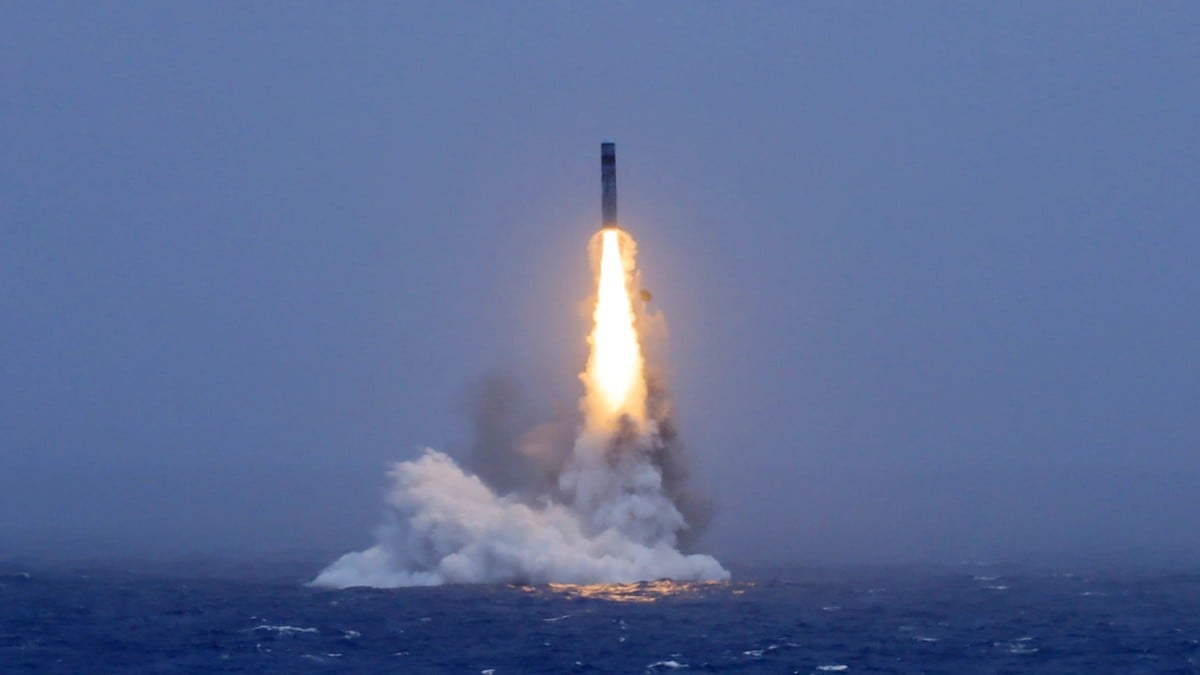
- Key facts & numbersChina's PLA Navy launched a submarine-launched ballistic missile on Monday that flew roughly 7,000 km southeast over the Pacific and splashed down near Nauru and Tuvalu, according to a flight map released by Taiwan's National Security Council. Treaty of Rarotonga (1986) bars nuclear weapons stationing and testing across the South Pacific Nuclear Weapons Free Zone; China, Russia, the U.S., U.K. and France have all signed protocols to it — but the missile carried only a dummy warhead, so the test does not technically breach the treaty's text. New Zealand's foreign minister said the test "goes against the object and intent" of Rarotonga, and Australia publicly raised similar concerns, framing it as a violation of the zone's spirit rather than its legal core.
- What happens nextThe hypocrisy is the real story — China spent years screaming about AUKUS violating Rarotonga, then launches its own missile through the same zone. NZ and AU called it out fast.
- China's PLA Navy launched a submarine-launched ballistic missile on Monday that flew roughly 7,000 km southeast over the Pacific and splashed down near Nauru and Tuvalu, according to a flight map released by Taiwan's National Security Council.
- Treaty of Rarotonga (1986) bars nuclear weapons stationing and testing across the South Pacific Nuclear Weapons Free Zone; China, Russia, the U.S., U.K. and France have all signed protocols to it — but the missile carried only a dummy warhead, so the test does not technically breach the treaty's text.
- New Zealand's foreign minister said the test "goes against the object and intent" of Rarotonga, and Australia publicly raised similar concerns, framing it as a violation of the zone's spirit rather than its legal core.
- Open Nuclear Network analyst Olamide Samuel cited a growing pattern of nuclear-armed states pressuring NWFZs — U.S. pressure on the U.K. over Diego Garcia, Russia pushing Kazakhstan on missile tests, and now China in the South Pacific — warning of a "slow spiral" and "race to the bare minimum" on treaty compliance.
Why It Matters
China's own diplomatic credibility takes a direct hit: Beijing spent years branding the AUKUS nuclear-submarine deal as a Rarotonga violation, and this test inside the same South Pacific zone hands the U.S., U.K. and Australia a ready counter — weakening China's leverage as the nuclear deal advances and small island states like Nauru and Tuvalu see their NWFZ protections publicly tested by a permanent Security Council member.
Sources Cited
Related Coverage
Ask SkimNews
The day’s news in one short email, every morning.
Free. One email a day. Unsubscribe in one click.