Iran's $50K Drones vs. $2M Tomahawks
The 30-Second Skim
- What happened: Inexpensive one-way attack drones have ushered in an era of "precise mass," letting mid-tier powers like Iran kill U.S. troops and overwhelm advanced air defenses with cheap, precision-guided strikes across the Middle East in 2026.
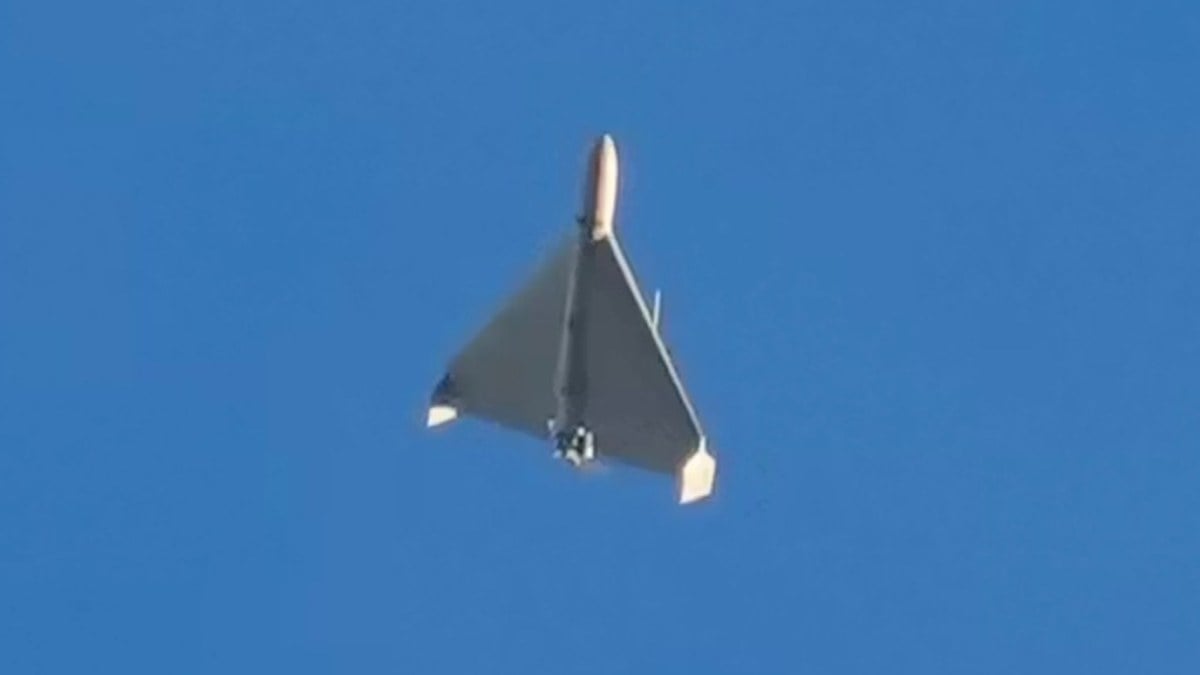
- Key facts & numbers: Iran's Shahed-136 drone has a reported range of up to 1,250 miles and costs $20,000–$50,000 each, compared with $2 million for a U.S. Tomahawk cruise missile Tehran fired thousands of one-way attack drones at Middle East targets since late February 2026, hitting buildings in Bahrain, Kuwait, and the UAE and damaging the U.S. Embassy in Saudi Arabia The UAE alone was targeted by nearly 700 Iranian drones in the war's early days; the strikes killed U.S. service members and destroyed critical American radar systems, leaving multiple countries' air defenses nearing exhaustion
- What happens next: The propaganda angle gets buried: Iran-backed militias blurred the red crosses off a medevac Black Hawk before posting the FPV kill footage. The PR war is built into the drone now.
- Iran's Shahed-136 drone has a reported range of up to 1,250 miles and costs $20,000–$50,000 each, compared with $2 million for a U.S. Tomahawk cruise missile
- Tehran fired thousands of one-way attack drones at Middle East targets since late February 2026, hitting buildings in Bahrain, Kuwait, and the UAE and damaging the U.S. Embassy in Saudi Arabia
- The UAE alone was targeted by nearly 700 Iranian drones in the war's early days; the strikes killed U.S. service members and destroyed critical American radar systems, leaving multiple countries' air defenses nearing exhaustion
- The U.S. military debuted its own reverse-engineered drone, the LUCAS, in the earliest days of Operation Epic Fury against Iran, which began February 28, 2026
Why It Matters
Cheap drones have democratized precision strike: Iran has shown that a mid-tier power can kill U.S. troops and exhaust allied air defenses with $20,000–$50,000 weapons that cost a fraction of a $2 million Tomahawk. The authors argue the U.S. must invest in both offensive drone capability and low-tech defenses like Ukraine's net-covered roads, or cede the precision advantage it has held since the Cold War.
Background & Timeline
- Editor context: Iran's social media strategy for its drones demonstrates a shift towards normalizing the public perception and accessibility of advanced military technology, rather than solely focusing on sales or direct military application.
Sources Cited
Related Coverage
Ask SkimNews