US stuck using $1 million missiles against Iran’s $20,000 drones
The 30-Second Skim7 points
- What happenedIran’s low‑cost Shahed drones, built with off‑the‑shelf parts from the US, UK and China, are forcing the United States to waste $1 M missiles per kill, while Ukraine’s $1‑$2k interceptors demonstrate a cheaper solution that Russia also employs. The mismatch highlights bureaucratic delays in U.S. procurement and the global supply chain that fuels cheap warfare.
- Key facts & numbersIran used Shahed drones to hit the US Victory Base Complex in Baghdad in early April 2026, with each drone costing $20k‑$50k. United States responded with missiles worth over $1M each to down a single Iranian drone, a cost ratio of roughly 50‑1. Ukraine fielded interceptor drones costing $1‑$2k each, producing thousands monthly to collide with Shahed drones.
- What happens nextTurns out the US is paying a fortune to shoot down a drone a kid could build for a fraction of the price—time to rethink the procurement playbook.
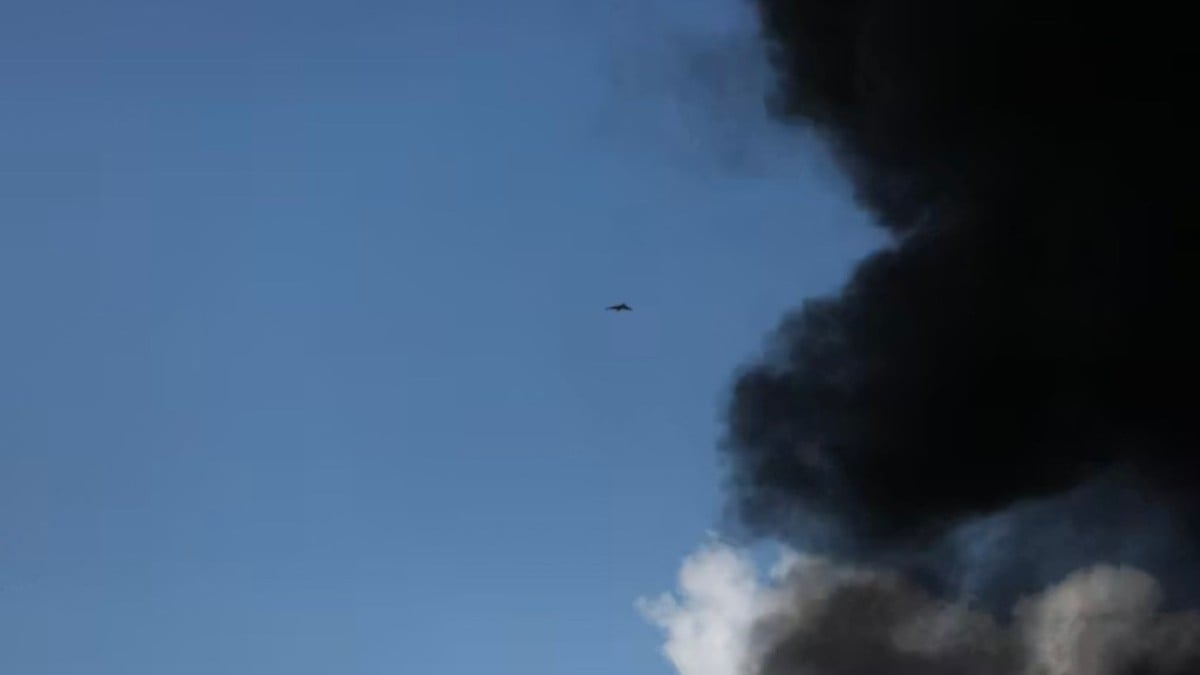
- Iran used Shahed drones to hit the US Victory Base Complex in Baghdad in early April 2026, with each drone costing $20k‑$50k.
- United States responded with missiles worth over $1M each to down a single Iranian drone, a cost ratio of roughly 50‑1.
- Ukraine fielded interceptor drones costing $1‑$2k each, producing thousands monthly to collide with Shahed drones.
- China supplied converters used in Shahed drones, highlighting how ordinary commercial parts enable Iran’s cheap UAVs.
Why It Matters
The Pentagon loses $1 M per intercepted drone, while Ukraine’s $2 k interceptors slash costs, shifting the cost‑benefit balance and pressuring U.S. procurement reform, and forcing policymakers to rethink defense spending.
Sources Cited
Related Coverage
Ask SkimNews