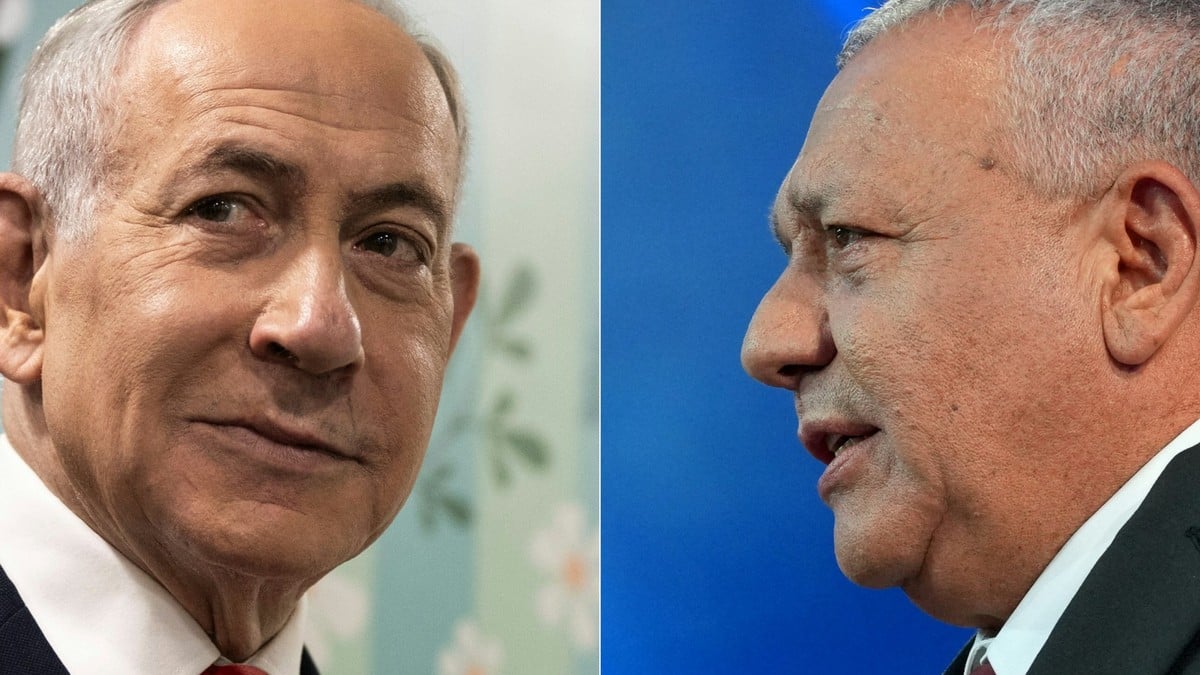
Netanyahu, Eisenkot hold unity talks after election deadlock
The 30-Second Skim3 points
- What happenedBenjamin Netanyahu and Gadi Eisenkot met to discuss a power-sharing agreement following Israel’s inconclusive October 27 elections, with Eisenkot facing a December 6 deadline to form a government.
- Key facts & numbersThe Knesset has 120 seats; Eisenkot’s bloc holds 36. Arab-led parties won 19 seats but remain excluded. Netanyahu proposed a rotational premiership, with Eisenkot serving first.
- What happens nextEisenkot must secure a parliamentary majority by December 6, with a possible 14-day extension, though he has ruled out requesting more time.
Outlets differ on this. The Hill, Politico, BBC and Bloomberg, The Times of Israel frame it differently. See how they frame it
Why It Matters
The exclusion of Arab-led parties, despite their 19-seat influence, reinforces structural barriers in Israel’s political system, limiting viable coalition pathways and entrenching ethnic hierarchies. This dynamic increases the likelihood of another election, prolonging political instability.
Eisenkot’s insistence on ending ultra-Orthodox military exemptions threatens to alienate potential Haredi coalition partners, while Netanyahu’s push to include far-right figures like Itamar Ben-Gvir narrows compromise options. Both constraints reduce the odds of a durable government forming before the December 6 deadline.
How Outlets Are Framing It
- The Hill, Politico, BBCFrame the meeting as a pivotal moment in Israel’s political crisis, emphasizing the high-stakes effort to break the post-election deadlock through a unity government.
- ReutersDownplays the likelihood of success, highlighting Eisenkot’s skepticism and suggesting the talks may be more about political optics than genuine compromise.
- Bloomberg, The Times of IsraelFocus on the procedural urgency, underscoring the December 6 deadline and the narrow window for coalition formation amid deep ideological divides.
Background & Timeline
Sources Cited
Related Coverage
The day’s news in one short email, every morning.
Free. One email a day. Unsubscribe in one click.