Pakistan Hosts Saudi, Egypt, Turkey for Iran De-escalation
The 30-Second Skim7 points
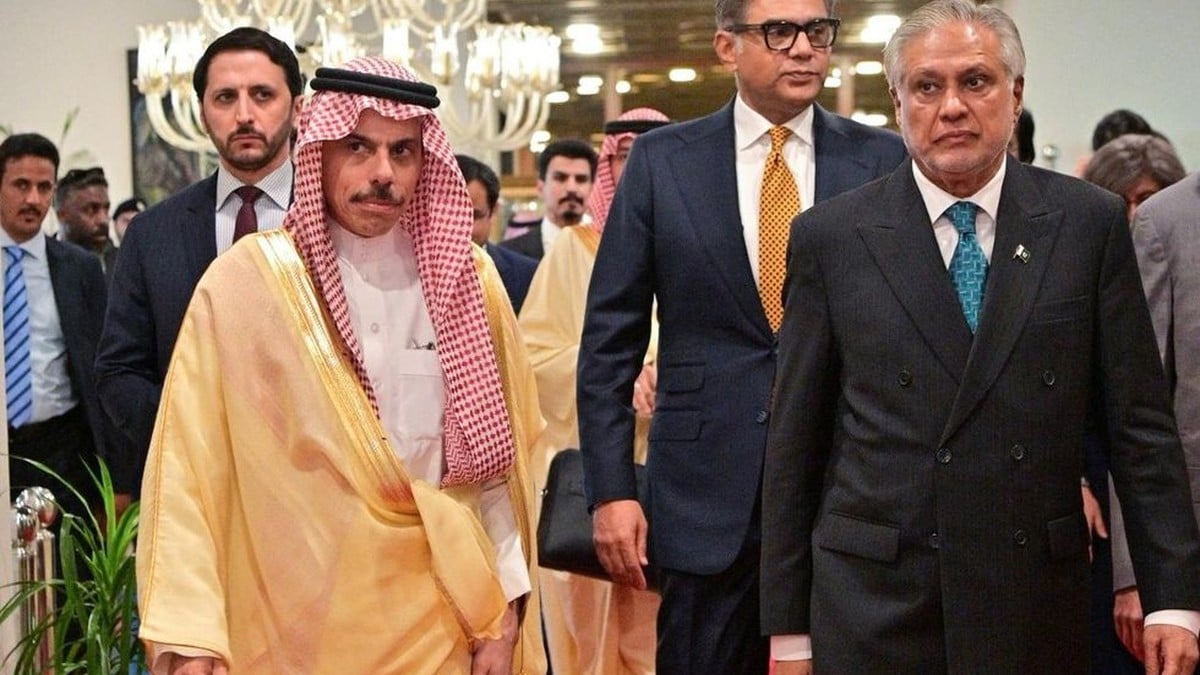
- What happenedPakistan convened Saudi Arabia, Egypt, and Turkey in Islamabad for a two-day meeting to explore de-escalation and potentially host direct U.S.-Iran negotiations, as the expanding conflict disrupts the Strait of Hormuz and rattles energy markets.
- Key facts & numbersPakistan hosted a two-day meeting starting Sunday with Saudi Arabia, Egypt, and Turkey, exploring de-escalation and the possibility of hosting direct U.S.-Iran negotiations on Pakistani soil. The talks run alongside a five-point initiative announced jointly by Pakistan and China to restore peace and stability in the Gulf and Middle East. Strait of Hormuz disruption, through which roughly a fifth of the world's oil supply passes, has already triggered energy price spikes and risks disrupting global supply chains and food security.
- What happens nextThe other headlines frame this as 'will Gulf states join the war?' The article flips it: they're scrambling to stay out—and might accidentally build a new Muslim-majority bloc in the process.
- Pakistan hosted a two-day meeting starting Sunday with Saudi Arabia, Egypt, and Turkey, exploring de-escalation and the possibility of hosting direct U.S.-Iran negotiations on Pakistani soil.
- The talks run alongside a five-point initiative announced jointly by Pakistan and China to restore peace and stability in the Gulf and Middle East.
- Strait of Hormuz disruption, through which roughly a fifth of the world's oil supply passes, has already triggered energy price spikes and risks disrupting global supply chains and food security.
- Pakistan's mediating role is driven by necessity: it shares a ~550-mile border with Iran, holds a defense pact with Saudi Arabia, and cannot afford to take sides given its energy and economic ties to the Gulf.
Why It Matters
Pakistan, Saudi, Egypt, and Turkey each face binding constraints—shared borders, defense pacts, energy dependence—that make escalation costly for all of them, giving the effort real stakes but also divided incentives. With Israel absent and Washington sending mixed signals, this 'coalition of the constrained' can slow the pace of escalation but cannot substitute for direct U.S.-Iran diplomacy, leaving the Strait of Hormuz and global energy supply exposed in the interim.
Sources Cited
- Responsible StatecraftPakistani gambit: Can ‘coalition of the constrained’ make a difference?
Related Coverage
Ask SkimNews
The day’s news in one short email, every morning.
Free. One email a day. Unsubscribe in one click.