US-Iran Ceasefire Collapses; Daily Strikes Resume
The 30-Second Skim7 points
- What happenedThe U.S.-Iranian ceasefire agreed in April and the June 17 Memorandum of Understanding collapsed by early July, with Trump declaring on July 10 that the truce was over and ordering daily strikes on Iranian soil and a renewed naval blockade.
- Key facts & numbersTrump declared on July 10 that the U.S.-Iranian ceasefire — originally agreed in April and followed by a June 17 Memorandum of Understanding — was over. The United States resumed its naval blockade and has been conducting daily strikes on Iranian soil. Iran retaliated by targeting vessels transiting the Strait of Hormuz and launching drones and missiles at Arab Gulf states, Jordan, and Syria.
- What happens nextThree U.S. troops already dead in Jordan, and Trump is now eyeing bridges, power plants, and a nuke-linked mountain. The off-ramp is gone.
- Trump declared on July 10 that the U.S.-Iranian ceasefire — originally agreed in April and followed by a June 17 Memorandum of Understanding — was over.
- The United States resumed its naval blockade and has been conducting daily strikes on Iranian soil.
- Iran retaliated by targeting vessels transiting the Strait of Hormuz and launching drones and missiles at Arab Gulf states, Jordan, and Syria.
- Three U.S. soldiers were killed in Jordan on July 17 amid the expanded Iranian strikes.
Why It Matters
The collapse of the April ceasefire and June 17 MOU has returned a five-month-old conflict to open hostilities, with both sides choosing escalation despite mounting economic and military costs. The potential broadening of strikes to bridges, power plants, and nuclear-linked sites like Pickaxe Mountain marks a qualitative escalation that puts regional infrastructure and personnel — including the three U.S. soldiers already killed in Jordan — squarely in the crosshairs.
Background & Timeline
- ContextA diplomatic framework lasting barely ten weeks before triggering intensified strikes suggests the ceasefire functioned less as a resolution effort than as a repositioning window, with the subsequent blockade and daily bombardment reflecting escalation rather than a return to baseline.
Sources Cited
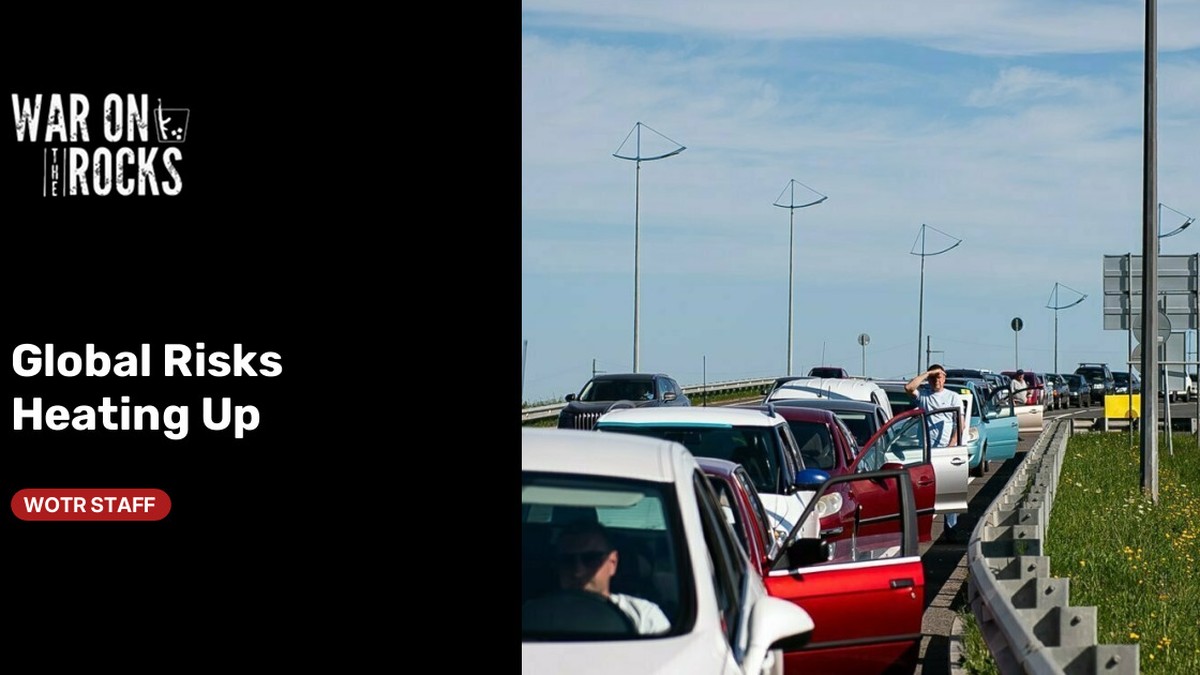
- War on the RocksGlobal Risks Heating Up
- World Health Organization (WHO)Heat and health
- World Meteorological Organization WMOExtreme heat, cold, precipitation and fires mark the start of 2026
- Foley & Lardner LLPInternational Compliance and Risk-Mitigation Heat Map (2026 Update)
Related Coverage
Ask SkimNews
The day’s news in one short email, every morning.
Free. One email a day. Unsubscribe in one click.