US Strikes 80+ Iranian Targets as Ceasefire Collapses
The 30-Second Skim7 points
- What happenedThe US-Iran ceasefire signed at Versailles on June 18 collapsed within three weeks after Iran attacked commercial vessels in the Strait of Hormuz on July 7, triggering US strikes on 80+ Iranian targets, Iranian retaliation against bases in Bahrain and Kuwait, and a surge in oil prices.
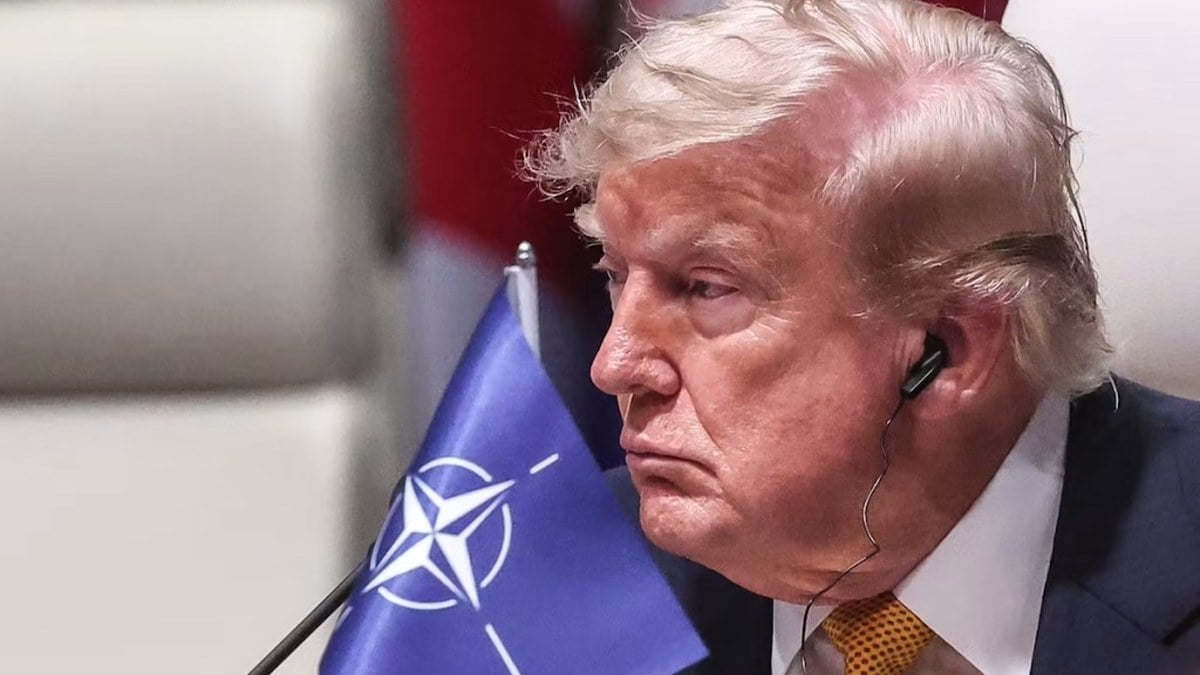
- Key facts & numbersTrump declared the US-Iran ceasefire "over" on July 8 at the NATO summit in Ankara, calling further talks with Tehran "a waste of time" — less than a month after signing the deal at Versailles on June 18 Iran attacked three commercial vessels in the Strait of Hormuz on July 7, prompting the US to launch what one official called "punishment" strikes on more than 80 Iranian targets and reimpose sanctions on Iranian oil sales Iran retaliated with strikes on US military installations in Bahrain and Kuwait, while oil prices surged — reviving the economic pressure at the American gas pump that had dragged Trump to the negotiating table in June
- What happens nextAuthor flagged the MoU as a 'ceasefire with a built-in detonator' in June. That detonator was Lebanon — which the deal never touched.
- Trump declared the US-Iran ceasefire "over" on July 8 at the NATO summit in Ankara, calling further talks with Tehran "a waste of time" — less than a month after signing the deal at Versailles on June 18
- Iran attacked three commercial vessels in the Strait of Hormuz on July 7, prompting the US to launch what one official called "punishment" strikes on more than 80 Iranian targets and reimpose sanctions on Iranian oil sales
- Iran retaliated with strikes on US military installations in Bahrain and Kuwait, while oil prices surged — reviving the economic pressure at the American gas pump that had dragged Trump to the negotiating table in June
- Israel was excluded from the MoU negotiations, with Netanyahu reportedly "fuming" over a deal that never resolved the Lebanon question; he declared after signing that Israel's "struggle is not over" and forces would remain in security zones
Why It Matters
Trump now faces a narrowing set of options: continued strikes risk requiring ground forces Congress may block, while renegotiating from a weaker position with an Iran that has already absorbed 80+ strikes. The structural gap — Israel was never party to the deal — means the Lebanon flashpoint can reignite the cycle regardless of US-Iran bilateral progress, and oil prices are climbing ahead of US midterm elections.
Sources Cited
Related Coverage
Ask SkimNews
The day’s news in one short email, every morning.
Free. One email a day. Unsubscribe in one click.