US-Iran Ceasefire Breaks Down After Hormuz Tanker Attacks
The 30-Second Skim7 points
- What happenedThe interim US-Iran ceasefire collapsed this week after Iran struck US military sites in Bahrain and Kuwait in retaliation for US strikes on Iranian targets, with Trump declaring the framework agreement 'over' at the NATO Ankara summit even as talks may continue.
- Key facts & numbersThe interim US-Iran ceasefire collapsed this week when Iran struck US military sites in Bahrain and Kuwait after US forces hit Iranian targets in retaliation for attacks on LNG tankers in the Strait of Hormuz. Trump declared the framework agreement "over" at the NATO summit in Ankara while suggesting talks may continue, prompting oil prices to climb as markets repriced Hormuz disruption risk. The 14-point Islamabad Memorandum of Understanding — offering a 60-day ceasefire, Hormuz reopening, a sanctions relief pathway, and a $300 billion reconstruction package — deferred the hardest nuclear questions to a later deal.
- What happens nextThe winning move wasn't closing Hormuz — it was making shipping too expensive and uncertain. Iran didn't need to beat the Navy to beat the deal.
- The interim US-Iran ceasefire collapsed this week when Iran struck US military sites in Bahrain and Kuwait after US forces hit Iranian targets in retaliation for attacks on LNG tankers in the Strait of Hormuz.
- Trump declared the framework agreement "over" at the NATO summit in Ankara while suggesting talks may continue, prompting oil prices to climb as markets repriced Hormuz disruption risk.
- The 14-point Islamabad Memorandum of Understanding — offering a 60-day ceasefire, Hormuz reopening, a sanctions relief pathway, and a $300 billion reconstruction package — deferred the hardest nuclear questions to a later deal.
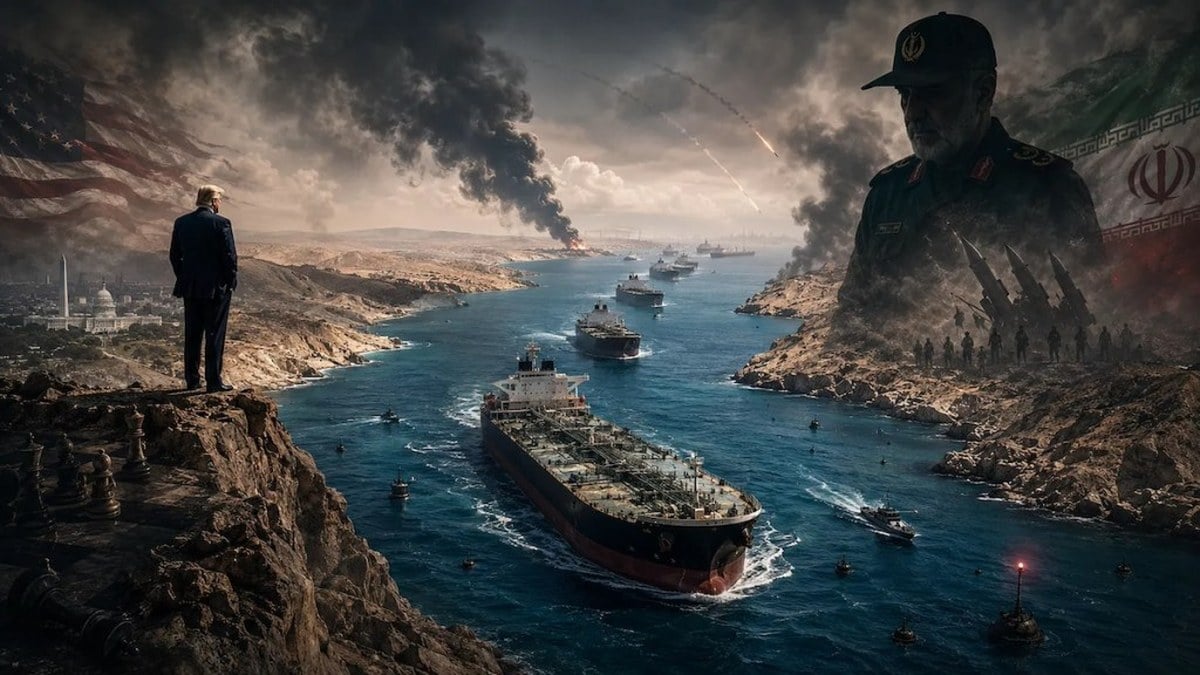
- Iran is exercising de facto control over the Strait of Hormuz, with Iranian forces ordering commercial vessels to turn back and requiring permits under various labels (maritime safety fees, demining charges, routing clearances), making passage conditional rather than free.
Why It Matters
The breakdown hands Iran a durable Hormuz choke-point and a sanctions-relief pathway while leaving the nuclear program unresolved — the opposite of the war's stated aims. With roughly one-fifth of global oil moving through a waterway Iran can throttle at will, the IRGC enters talks as the stronger party despite absorbing US strikes.
Sources Cited
Related Coverage
Ask SkimNews
The day’s news in one short email, every morning.
Free. One email a day. Unsubscribe in one click.