When gunning for regime change, be careful what you shoot for
The 30-Second Skim7 points
- What happenedUS-Israeli strikes that assassinated Iran's Ayatollah Ali Khamenei produced the opposite of regime change: a younger, more hard-line successor in Mojtaba Khamenei, millions-strong funeral vows of revenge, and renewed attacks on shipping in the Strait of Hormuz.
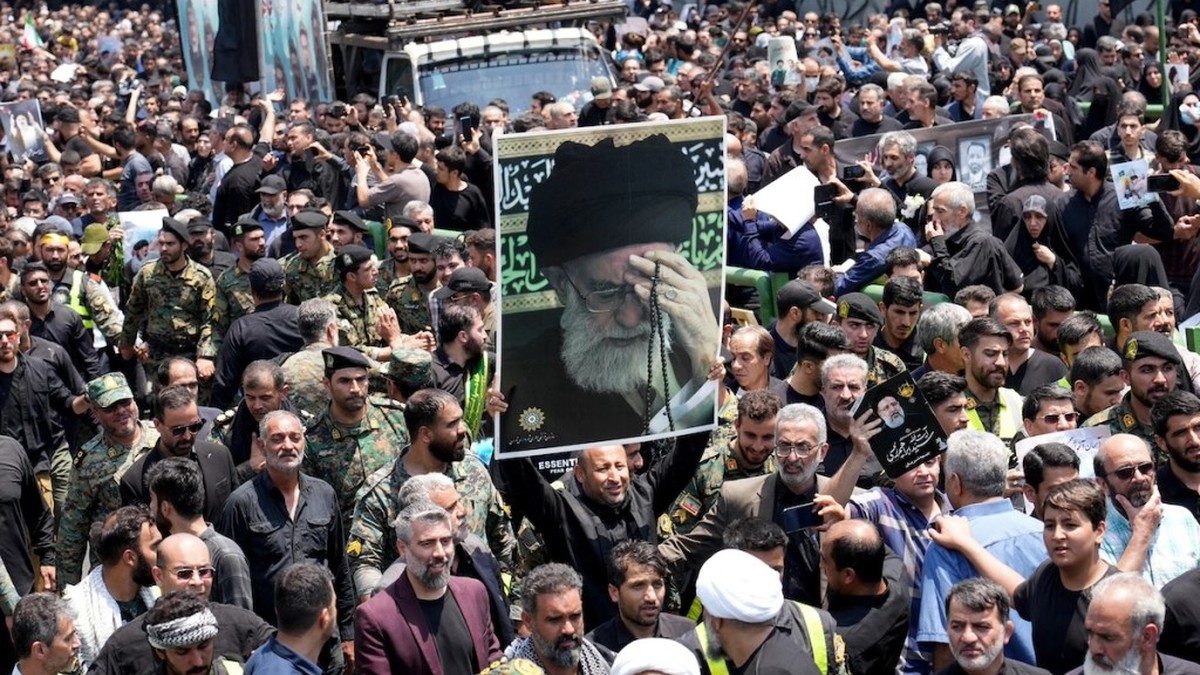
- Key facts & numbersThe US-Israeli assassination of Ayatollah Ali Khamenei and four family members was followed by the installation of his second son, Mojtaba Khamenei, as supreme leader via unanimous Assembly of Experts vote under IRGC pressure. Mojtaba Khamenei is described by the Atlantic Council as 'more hard-line than his father,' and the Washington Post characterizes Iran's new leadership as 'younger, savvier, ruthless and more hard-line than ever,' with a Tehran source calling him 'bloodthirsty now.' Millions-strong funeral events galvanized Iranian opinion, with mourners waving red flags of revenge, chanting 'Death to America' and 'Death to Israel,' and poet Mohammad Resouli calling for the killing of Trump and Netanyahu to thunderous applause.
- What happens nextTurns out killing the supreme leader doesn't liberalize the regime — it radicalizes the successor. Trump's 'I don't need international law' quote ages fast.
- The US-Israeli assassination of Ayatollah Ali Khamenei and four family members was followed by the installation of his second son, Mojtaba Khamenei, as supreme leader via unanimous Assembly of Experts vote under IRGC pressure.
- Mojtaba Khamenei is described by the Atlantic Council as 'more hard-line than his father,' and the Washington Post characterizes Iran's new leadership as 'younger, savvier, ruthless and more hard-line than ever,' with a Tehran source calling him 'bloodthirsty now.'
- Millions-strong funeral events galvanized Iranian opinion, with mourners waving red flags of revenge, chanting 'Death to America' and 'Death to Israel,' and poet Mohammad Resouli calling for the killing of Trump and Netanyahu to thunderous applause.
- Ultra hard-line politicians are publicly condemning Iranian negotiators involved in peace talks, including Parliamentary Speaker Mohammad Bagher Ghalibaf and Foreign Minister Abbas Araghchi, while Iran resumed attacks on ships in the Strait of Hormuz despite the ceasefire, triggering new US-Iran fighting.
Why It Matters
The US and Israel sought regime change by decapitation and produced the inverse: a harder-line Mojtaba Khamenei backed by mass funeral fervor and renewed Strait of Hormuz shipping attacks. With Iranian peace negotiators now publicly condemned at home and the assassination taboo broken, the diplomatic track that produced the ceasefire is fragmenting — and historians warn the precedent invites retaliation against Western leaders.
Sources Cited
Related Coverage
Ask SkimNews