AI-Human Therapy Targets Stroke Care Gap
The 30-Second Skim
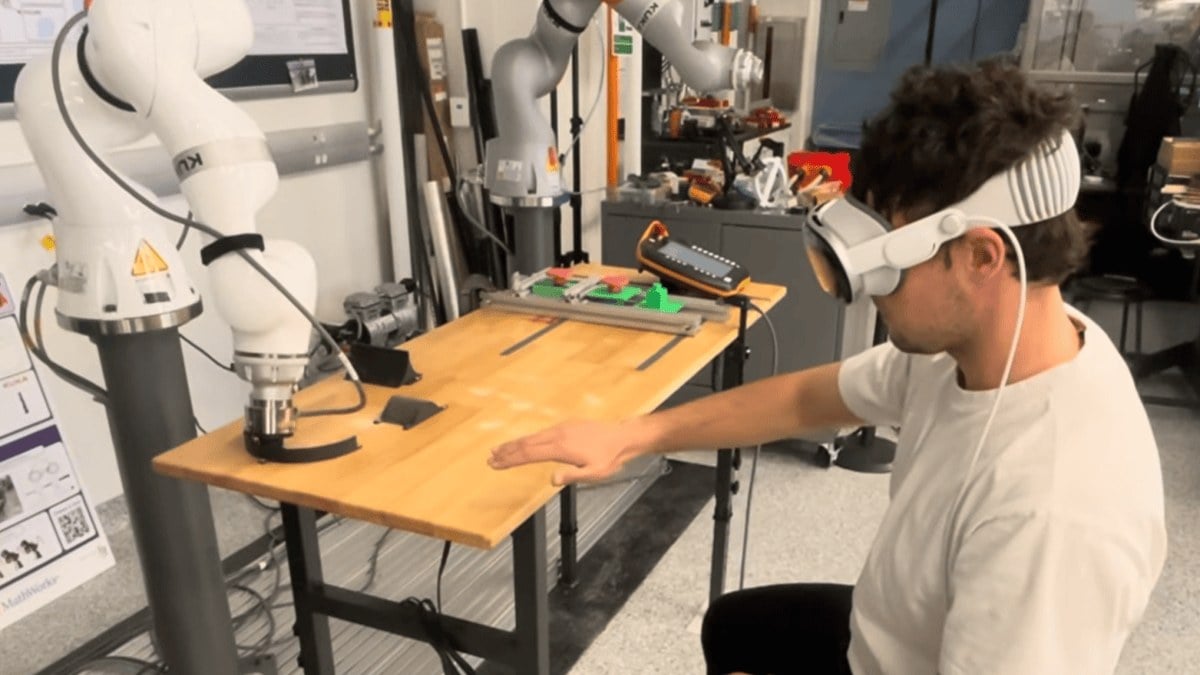
- What happened: A new stroke-rehabilitation approach pairs artificial intelligence with human therapy to address a care gap for the 5 million people who develop long-term impairments and need rehabilitation each year.
- Key facts & numbers: Strokes leave 5 million people with long-term impairments each year. A growing shortage of physical therapists makes needed care harder for people with stroke-related impairments to obtain. A new rehabilitation approach combines artificial intelligence with human therapy to address the resulting access problem.
- What happens next: “Robotic therapy” suggests replacement; it pairs AI with human therapy for 5 million people facing long-term stroke impairments each year.
- Strokes leave 5 million people with long-term impairments each year.
- A growing shortage of physical therapists makes needed care harder for people with stroke-related impairments to obtain.
- A new rehabilitation approach combines artificial intelligence with human therapy to address the resulting access problem.
Why It Matters
For the 5 million people who develop long-term impairments from strokes each year, therapist shortages restrict access to ongoing care. The new approach combines AI with human therapy, directly targeting that barrier without replacing physical therapists in the described model.
Sources Cited
- MIT Technology Review — Robotic therapy for stroke patients
Related Coverage
Ask SkimNews