Magnetic sperm form healthy embryos in lab tests
The 30-Second Skim7 points
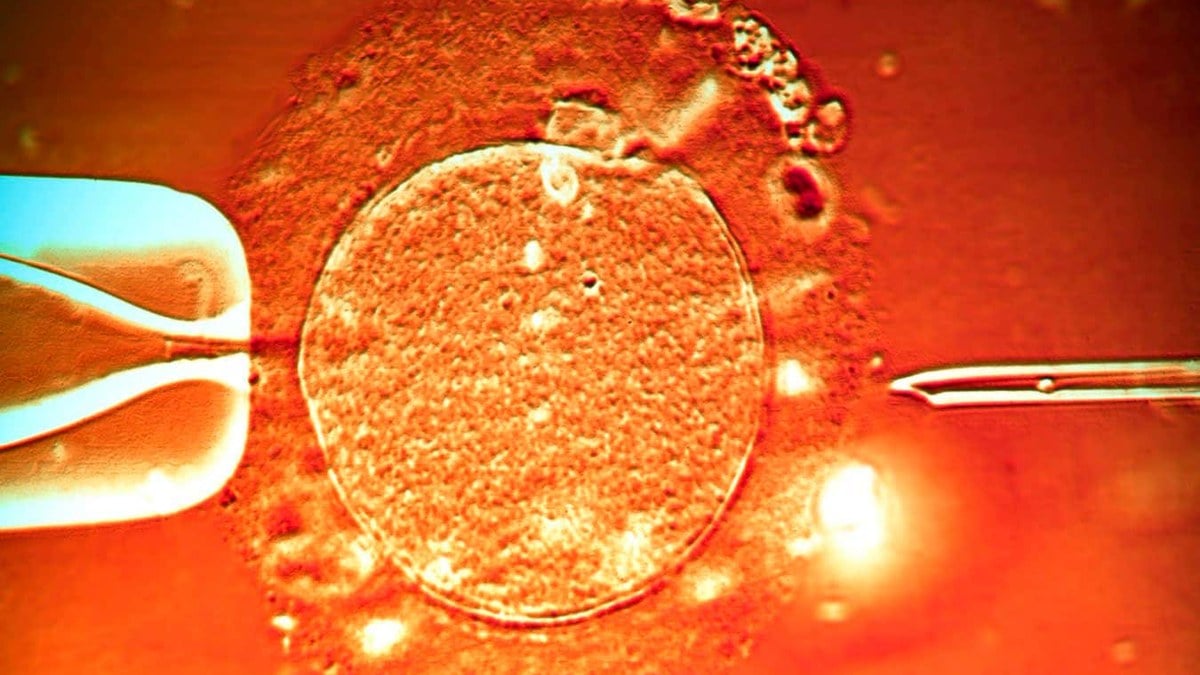
- What happenedResearchers at CIC nanoGUNE in Spain have made cattle sperm magnetic by attaching iron oxide beads, demonstrating they can be guided toward eggs with external magnets and still form healthy embryos — a step toward performing IVF inside the body rather than in a dish.
- Key facts & numbersMariana Medina-Sánchez and her team at nanoscience institute CIC nanoGUNE in Spain incubated cattle sperm with iron oxide and polystyrene beads, with about 30 beads sticking to each sperm head while leaving tails free to move Tests showed the magnetic beads did not impair sperm swimming speed or health, and the magnetic sperm formed healthy embryos in a dish at the same rate as non-magnetic sperm The beads fall off the sperm as they penetrate the egg, and the team showed external magnetic fields could steer the magnetic sperm in different directions toward an egg
- What happens nextHeadline oversells: experiment was cattle sperm in a dish. Mouse fallopian-tube work exists but is unpublished. Human in-body IVF is years away at best.
- Mariana Medina-Sánchez and her team at nanoscience institute CIC nanoGUNE in Spain incubated cattle sperm with iron oxide and polystyrene beads, with about 30 beads sticking to each sperm head while leaving tails free to move
- Tests showed the magnetic beads did not impair sperm swimming speed or health, and the magnetic sperm formed healthy embryos in a dish at the same rate as non-magnetic sperm
- The beads fall off the sperm as they penetrate the egg, and the team showed external magnetic fields could steer the magnetic sperm in different directions toward an egg
- The ultimate goal is in-vivo IVF — using the body as a natural incubator to avoid hormone injections, egg retrievals, and embryo transfers that make conventional IVF invasive
Why It Matters
Roughly one in six people experience infertility, and many IVF cycles fail because the artificial lab environment and multiple manipulation steps can compromise embryo viability. If validated in mammals and then humans, magnetic guidance could let fertilization happen inside the fallopian tube using the body as an incubator, potentially sparing patients from hormone injections, egg retrievals, and embryo transfers — though every successful step to date has been in cattle sperm in a dish, with only unpublished mouse work on actual in-body guidance.
Sources Cited
Related Coverage
Ask SkimNews
The day’s news in one short email, every morning.
Free. One email a day. Unsubscribe in one click.