Injection halves chromosome errors in older eggs
The 30-Second Skim7 points
- What happenedResearchers at Germany's Ovo Labs have developed an mRNA injection that cut premature chromosome separation in older human eggs roughly in half, offering what independent experts call the first therapy with real clinical potential to address a leading cause of IVF failure and miscarriage in women over 35.
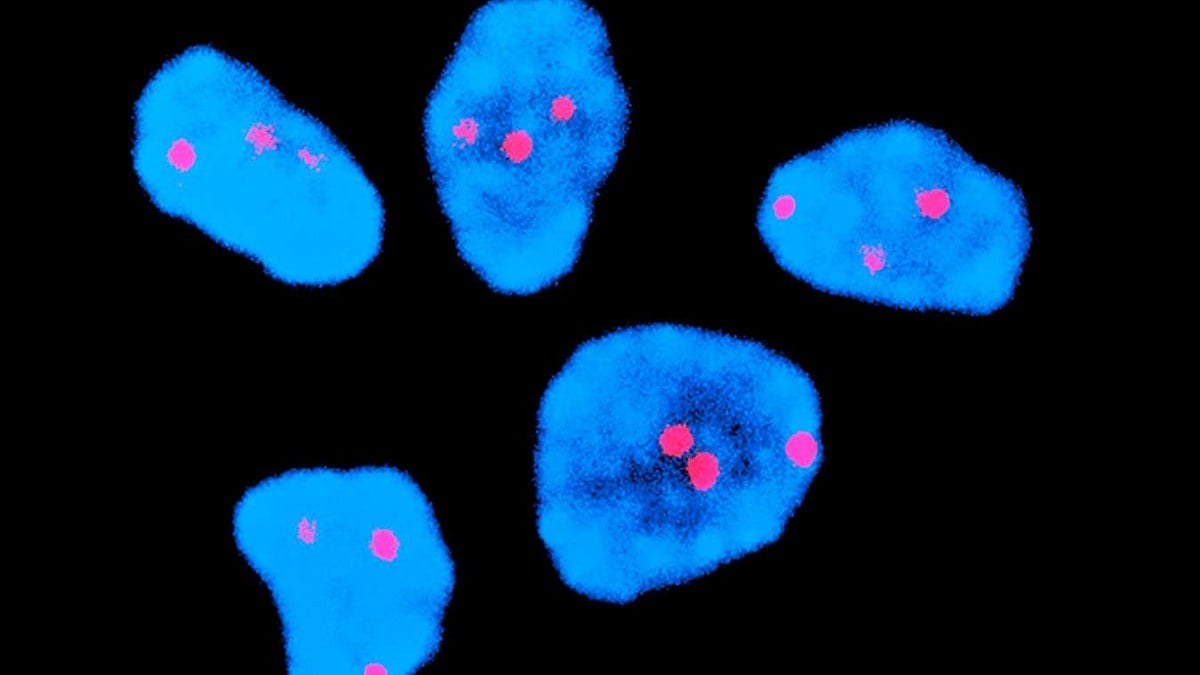
- Key facts & numbersOvo Labs researcher Agata Zielinska presented at the European Society of Human Reproduction and Embryology conference in London on July 6, showing that injecting eggs with shugoshin-1 mRNA cut premature chromosome separation from 53% in untreated eggs to 29% in treated ones — a near-halving of the error rate. The study drew on 111 spare, immature eggs from more than 30 women aged 22–43; in eggs from nine donors over 35, aneuploidy dropped from an average of 65% untreated to 44% treated, though the team attributed the lack of statistical significance to the small sample size. Zielinska's team identified that shugoshin-1, a protein that maintains the molecular glue holding chromosome pairs together during meiosis, is substantially lower in older mouse and human eggs, allowing chromosome pairs to separate prematurely and produce aneuploid eggs.
- What happens nextFirst real shot at fixing the root cause of why IVF fails for women over 35 — mouse pups already born healthy, humans next.
- Ovo Labs researcher Agata Zielinska presented at the European Society of Human Reproduction and Embryology conference in London on July 6, showing that injecting eggs with shugoshin-1 mRNA cut premature chromosome separation from 53% in untreated eggs to 29% in treated ones — a near-halving of the error rate.
- The study drew on 111 spare, immature eggs from more than 30 women aged 22–43; in eggs from nine donors over 35, aneuploidy dropped from an average of 65% untreated to 44% treated, though the team attributed the lack of statistical significance to the small sample size.
- Zielinska's team identified that shugoshin-1, a protein that maintains the molecular glue holding chromosome pairs together during meiosis, is substantially lower in older mouse and human eggs, allowing chromosome pairs to separate prematurely and produce aneuploid eggs.
- Treated mouse eggs were successfully fertilized and produced healthy offspring with no observed side effects, leading researchers to conclude the approach does not disrupt embryo development, pregnancy health, or pup health.
Why It Matters
Aneuploidy already affects more than 65% of eggs in women's late 30s and is a primary driver of IVF failure and miscarriage in that group; if the EmbryoProtect approach holds up in larger human trials, it could meaningfully raise live-birth rates while costing a fraction of a standard IVF cycle and reducing the number of attempts older women need.
Sources Cited
Related Coverage
Ask SkimNews