El Niño and Land Clearing Fuel Indonesia's Peat Fires — SkimNews
Get the Energy newsletter
Daily energy & climate — solar, EVs, oil, the policy fights and tech bets shaping the transition. Free.
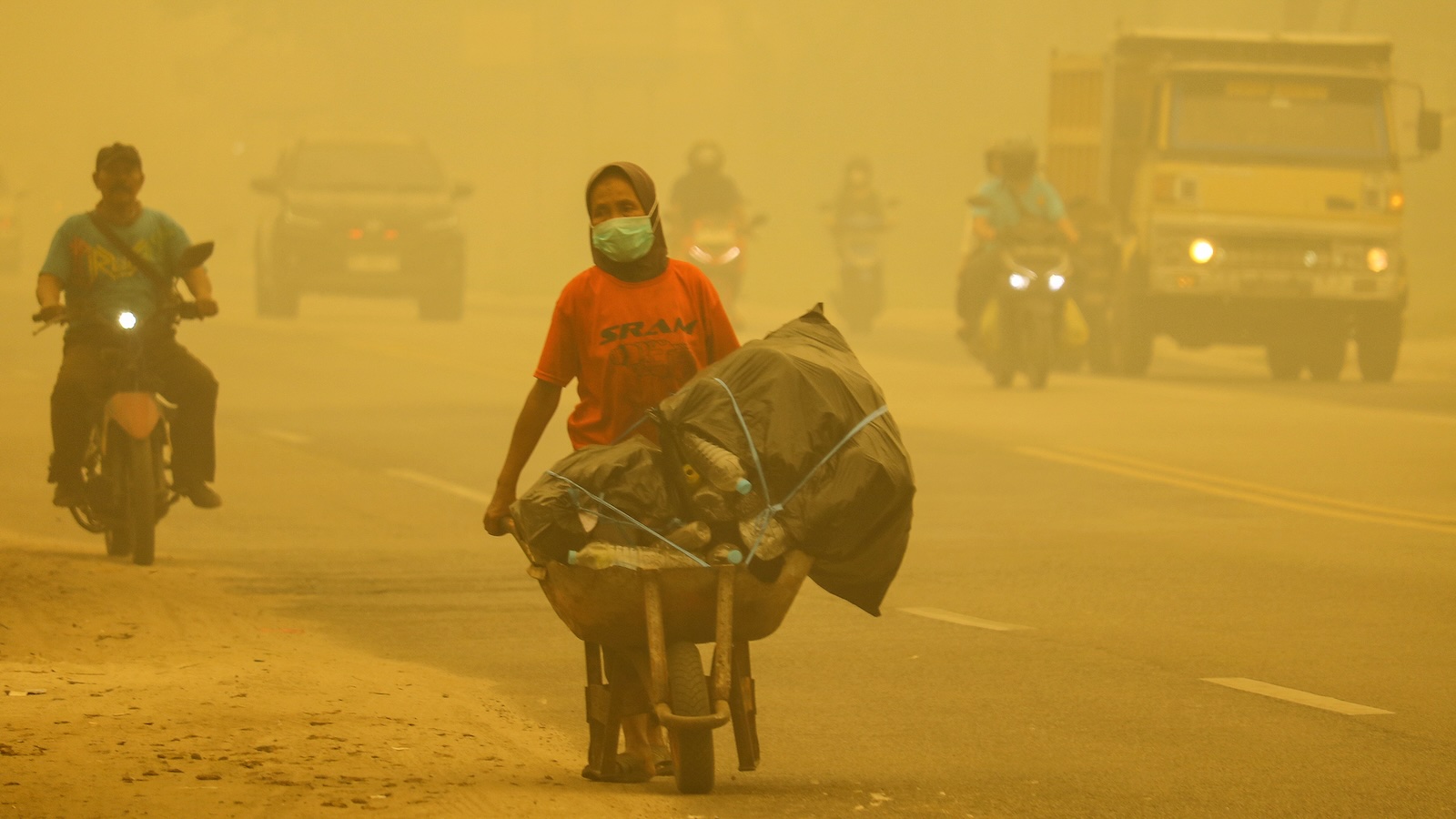
- Indonesia has endured more than 4.6 million acres burned since August in its worst wildfire season in a decade, with large stretches of Kalimantan and Sumatra blanketed in smoke that reached neighboring countries; more than 300,000 Indonesians sought treatment for acute respiratory problems, and on some days air quality was more than 13 times worse than the threshold considered unhealthy.
- Indonesia’s fires were fueled by a superstrong El Niño that caused severe drought and dried highly flammable peat, although the contribution of hotter temperatures to this season remains unclear.
- Robert Field of Columbia University said many fires appear on unmanaged lands beside working plantations that often grow oil palm and are the primary driver of Indonesia’s high rates of deforestation and biodiversity loss; he said those fires were likely lit to clear overgrowth for more crops.
- Prabowo Subianto vowed to investigate who started the fires and called the actions environmental terrorism, as frustration over the blaze, high living costs and government spending sparked numerous protests across Indonesia.
- Raja Juli Antoni told the United Nations in May that El Niño’s longer dry season demanded heightened vigilance, but the fires were nevertheless lit after months of government preparation.
- Indonesia banned drainage canals used to dry peatlands in 2014 and, a couple of years later, sharply curbed deforestation while restoring degraded land; the rate fell for five more years and remains far below its previous level despite a 2022 uptick.
- Israr Albar said peat fires can smolder underground for months, escape satellite detection and reignite without notice, while the large water supplies needed for extinguishment are not always available in dry-season conditions; recent rain does not end the danger.
Why it matters: For Indonesia’s government, more than 300,000 residents seeking acute respiratory treatment and 4.6 million acres burned make the promised investigation an immediate public-health responsibility; for residents, the burden is already material because underground peat fires can persist for months, evade satellites and reignite after rain.
Ask SkimNews

