What’s fueling Indonesia’s worst wildfire season in a decade? — SkimNews
Get the Energy newsletter
Daily energy & climate — solar, EVs, oil, the policy fights and tech bets shaping the transition. Free.
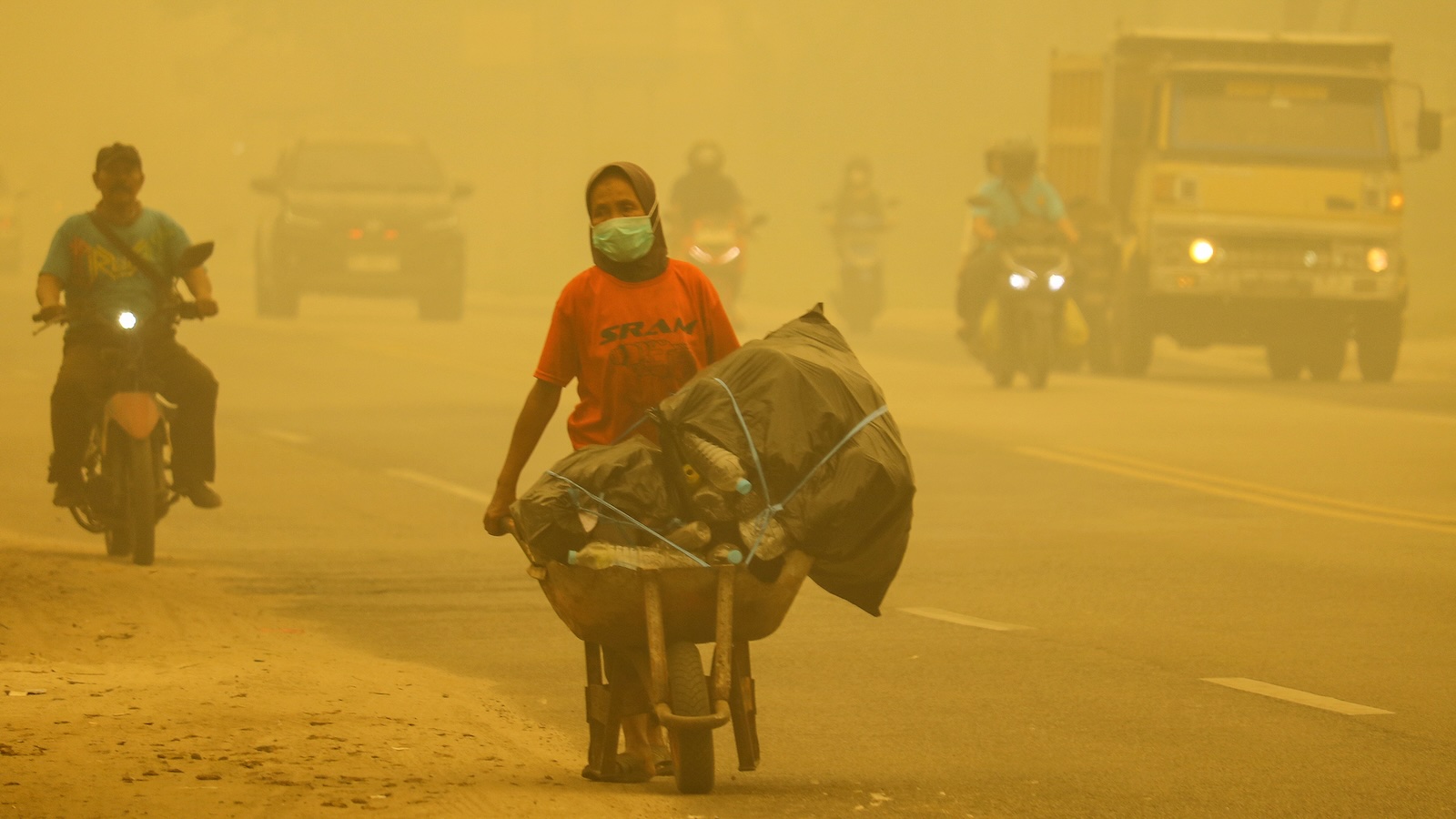
- Indonesia has experienced over 4.6 million acres burned since August, triggering a severe haze crisis across Kalimantan and Sumatra that has spread to neighboring countries
- Prabowo Subianto called the fires a 'crime against humanity' and 'environmental terrorism,' vowing to investigate those responsible amid public outrage and nationwide protests
- Peatlands, dried by a strong El Niño-induced drought, are fueling persistent underground fires that smolder for months and resist suppression efforts due to water shortages
- Robert Field noted Indonesia was better prepared than in past decades but emphasized the difficulty of managing fire across such a vast and complex country despite policy improvements
- Israr Albar explained that peat fires are hard to detect and extinguish because they burn underground and can reignite even after surface rain, with smoke often blocking satellite visibility
- The Indonesian government banned peatland drainage canals in 2014 and launched restoration efforts after a severe 2015 fire season, leading to years of declining deforestation before a recent uptick
Why it matters: Over 300,000 Indonesians have sought treatment for respiratory issues, and the crisis undermines a decade of progress in curbing deforestation, exposing the limits of policy when enforcement falters under climate pressures. The scale of health impact and ecological damage makes this a defining environmental emergency for Southeast Asia.
Ask SkimNews

