Fat Cell Death Can Trigger Diabetes, Study Finds — SkimNews
Get the Health newsletter
Daily health & science — research, biotech, public health, the studies worth knowing. Free.
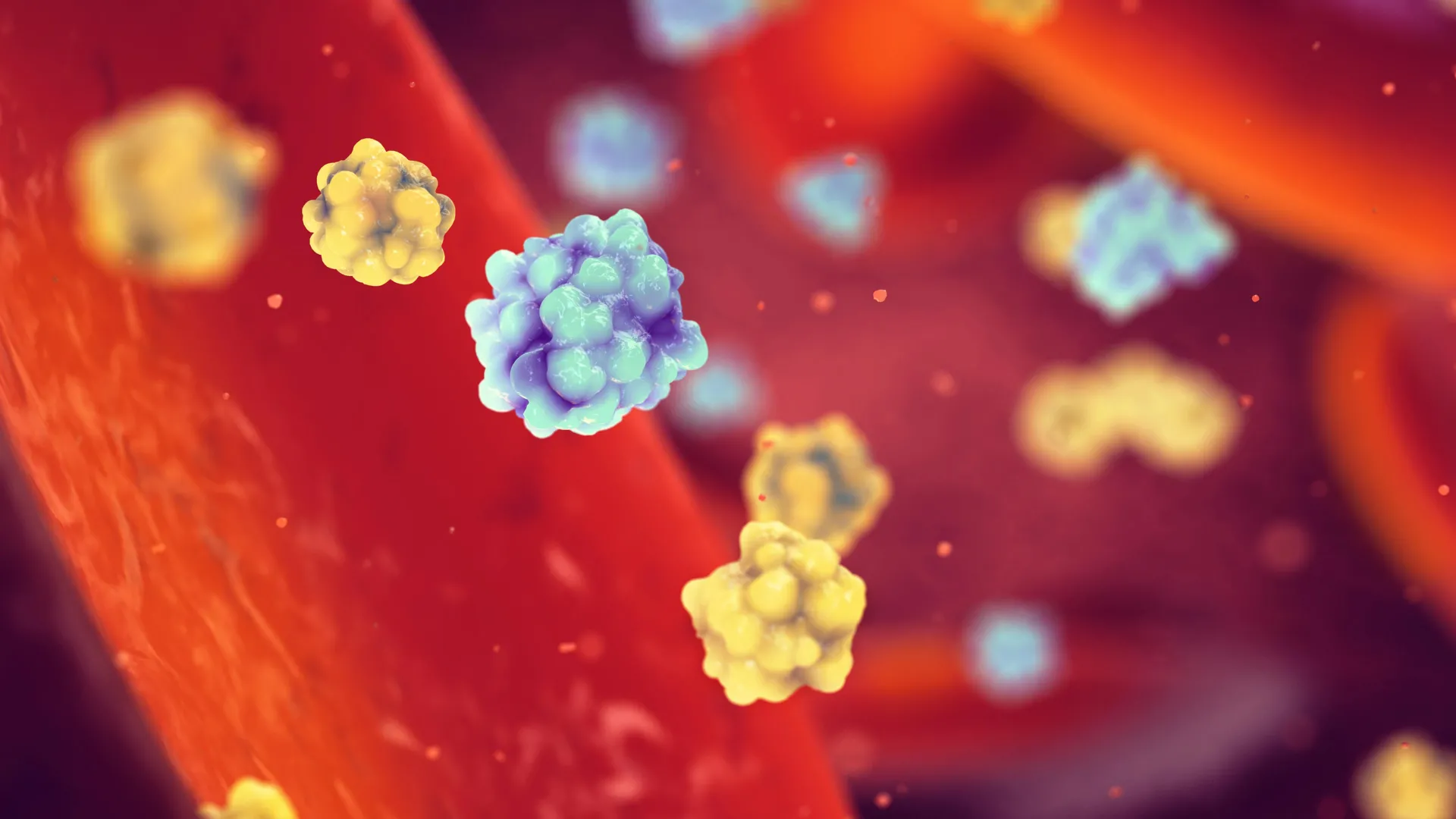
- Michigan Medicine researchers found that damaged fat cells become inflamed, lose their ability to store lipids, and eventually vanish, showing diabetes can result from losing healthy fat tissue—not just from carrying excess.
- The team studied familial partial lipodystrophy type 2 (FPLD2), developing a mouse model that switched off the lamin A/C gene in adipocytes—the same gene mutated in FPLD2 patients—and verified the findings against tissue donated by those patients.
- Jessica Maung, Ph.D., the graduate student researcher, said diseased fat cells experienced "really catastrophic things," with gene changes blocking lipid storage, pushing cells into a pro-inflammatory state, and causing mitochondria to fail—conditions she called "this perfect environment for the tissue to be really unhealthy and eventually disappear."
- Elif Oral, M.D., a Professor in the Division of Metabolism, Endocrinology and Diabetes who has spent years studying lipodystrophy patients, said the findings underscore that Type 2 diabetes is "actually a disease of fat cells, too," not solely of insulin-producing pancreatic beta cells.
- Published in the Journal of Clinical Investigation (2025, Vol. 136, Issue 1), the research aims to identify therapeutic targets that could protect adipose tissue before it deteriorates, potentially preventing the metabolic cascade that leads to diabetes and fatty liver disease.
Why it matters: For people with rare lipodystrophy conditions like FPLD2—and potentially the broader Type 2 diabetes population—this research reframes the disease as one of fat cell failure, not just beta cell dysfunction, pointing to a new therapeutic angle: protecting adipose tissue before it deteriorates rather than only managing blood sugar downstream.
Ask SkimNews