Palmitic vs Oleic Acid: Contrasting Effects on Diabetes — SkimNews
Get the Health newsletter
Daily health & science — research, biotech, public health, the studies worth knowing. Free.
- University of Barcelona researchers, led by Professor Manuel Vázquez-Carrera, published a review in Trends in Endocrinology & Metabolism concluding that palmitic acid promotes inflammation, toxic bioactive lipid accumulation, and dysfunction in the endoplasmic reticulum and mitochondria — changes closely tied to impaired insulin action.
- Oleic acid, abundant in olive oil, encouraged the storage of fats in less metabolically disruptive forms, preserved healthy insulin signaling in the liver, muscles, and adipose tissue, and offset several harmful effects of palmitic acid, according to the review.
- First author Xavier Palomer (UB-IBUB-CIBER-IRSJD) and collaborators Ricardo Rodríguez-Calvo (CIBERDEM-IISPV), Marta Tajes (CIBERCV-IDIBELL), and Walter Wahli (University of Lausanne) synthesized the evidence across molecular and population-level studies.
- Vázquez-Carrera argued that fat quality outweighs quantity: 'This review highlights the significant role of the quality of dietary fat, rather than the total amount consumed.'
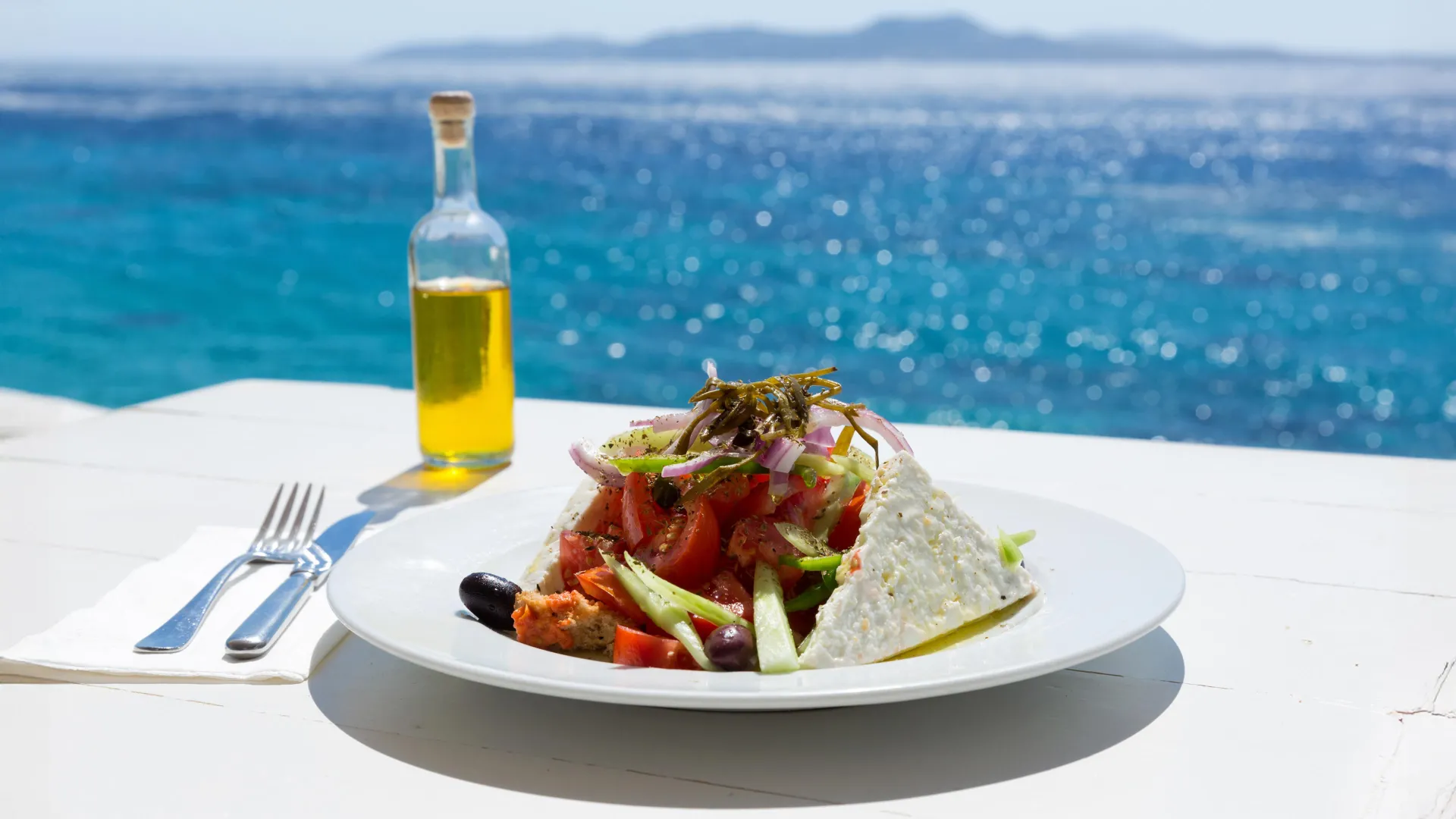
- The authors flagged the protective findings as a possible explanation for why Mediterranean-style eating patterns, rich in monounsaturated fats, are consistently linked to lower type 2 diabetes risk in population studies.
- The team called for more targeted research into fatty acid source, dietary context, nutrient interactions, and food processing methods before specific nutritional guidance can be refined.
Why it matters: The review sharpens the mechanistic case that fat quality — not quantity — drives metabolic outcomes, giving nutrition researchers and dietary guideline authors a stronger biological basis for prioritizing monounsaturated fats over saturated ones. By mapping how palmitic acid disrupts cellular machinery while oleic acid preserves it, the CIBERDEM-affiliated team offers a concrete rationale for Mediterranean-style dietary advice aimed at the millions living with or at risk of type 2 diabetes.
Ask SkimNews