Malaysia Allocates RM54.7B in Aid, Warns Profiteers — SkimNews
Get the Geopolitics newsletter
Daily geopolitics — wars, elections, sanctions, the diplomatic moves that move markets. Free.
- Zahid Hamidi unveiled a dual strategy at the 17th Naccol executive committee meeting on April 2 — easing financial burdens while boosting incomes — as global energy pressures drive up the cost of living.
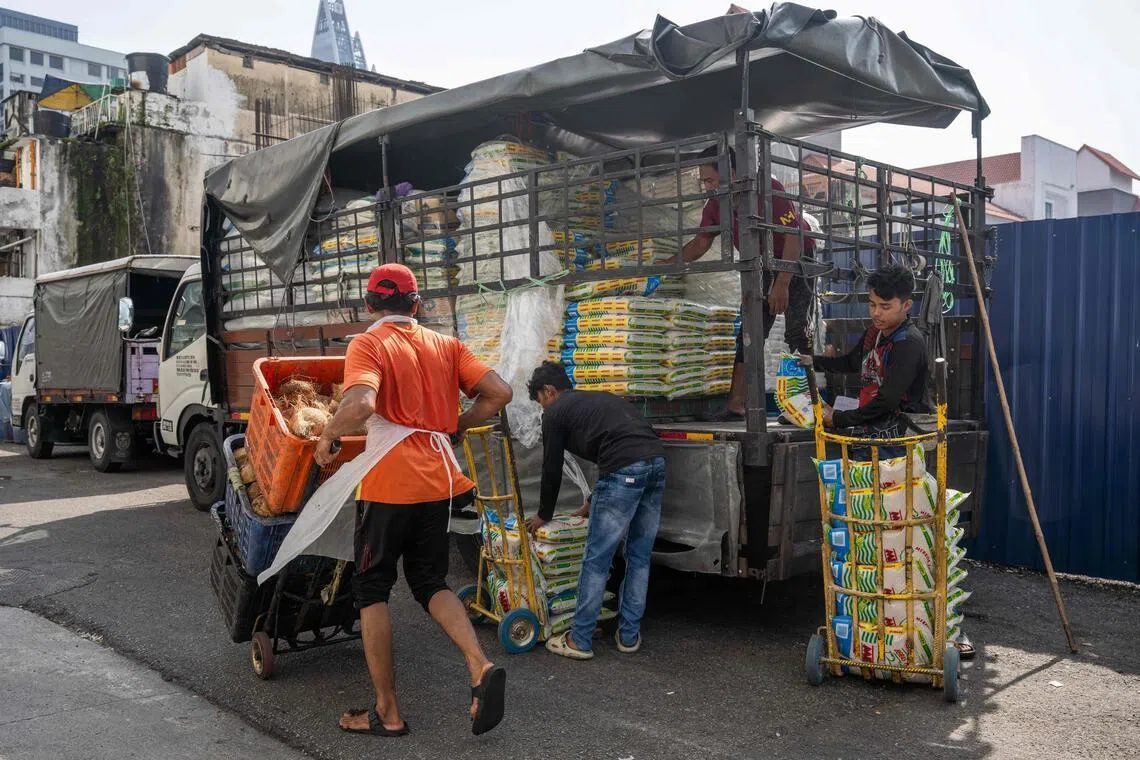
- The government "will not compromise" with parties exploiting the Middle East conflict to unreasonably raise prices, with Zahid promising firm action against violators.
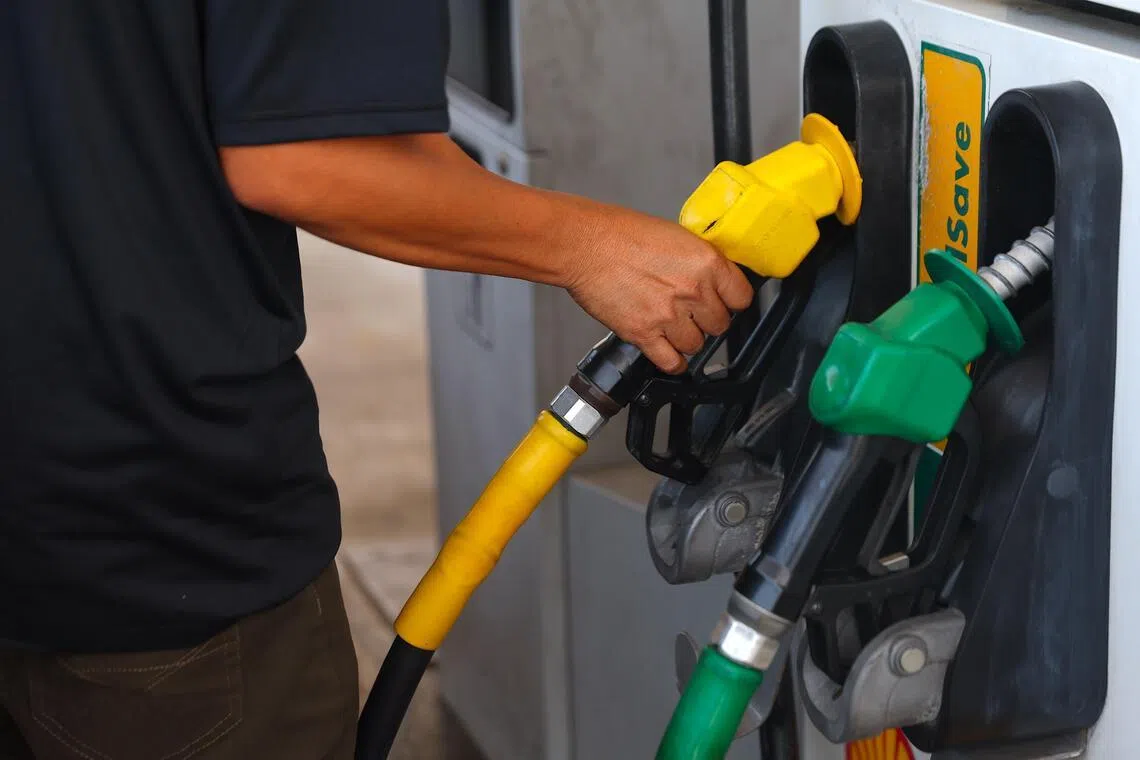
- Malaysia has allocated RM54.7 billion (S$17.4 billion) for 2026 in social assistance, subsidies, and income programs including STR, Sara, the Rahmah Sales Programme, and fuel and agricultural subsidies.
- Over 13.7 million Malaysians receive aid through 60 social assistance programmes; more than half get at least two forms of support, and nearly one-third come from households earning RM2,000 or less monthly.
- The Naccol executive committee will convene regularly throughout the energy crisis to address cost-of-living issues swiftly, while subsidy allocations are expected to increase as the Middle East conflict continues.
Why it matters: Over 13.7 million Malaysians on government aid stand to benefit from the RM54.7 billion 2026 allocation, while businesses raising prices during the energy crisis risk regulatory punishment. With Zahid signaling subsidy allocations will grow as the Middle East conflict persists, Putrajaya is conceding its fiscal exposure will deepen alongside its anti-profiteering push.
Ask SkimNews