Waymo Opens Zeekr Ojai Robotaxi to All Riders — SkimNews
Get the Energy newsletter
Daily energy & climate — solar, EVs, oil, the policy fights and tech bets shaping the transition. Free.
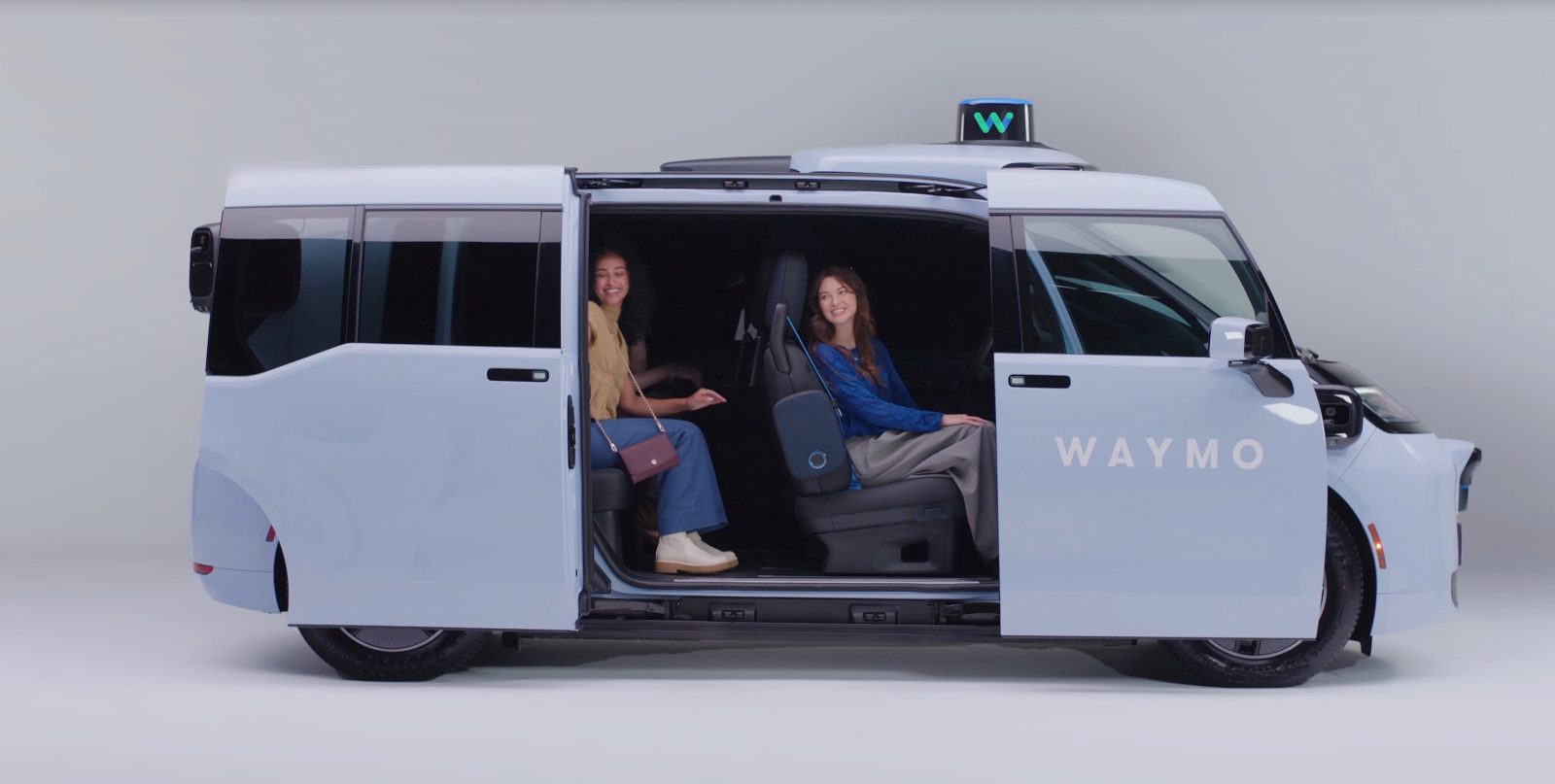
- Waymo opened its Zeekr-built Ojai robotaxi to all riders in San Francisco, Los Angeles, and Phoenix, transitioning from free early-access rides since May 28 to paid commercial operations.
- The Ojai is manufactured by Zeekr — owned by China's Geely Holding Group, with body designed in Sweden — making it one of the only Chinese-made EVs available to American riders, though tariffs and a 2027 federal connected-vehicle rule keep them off dealership lots.
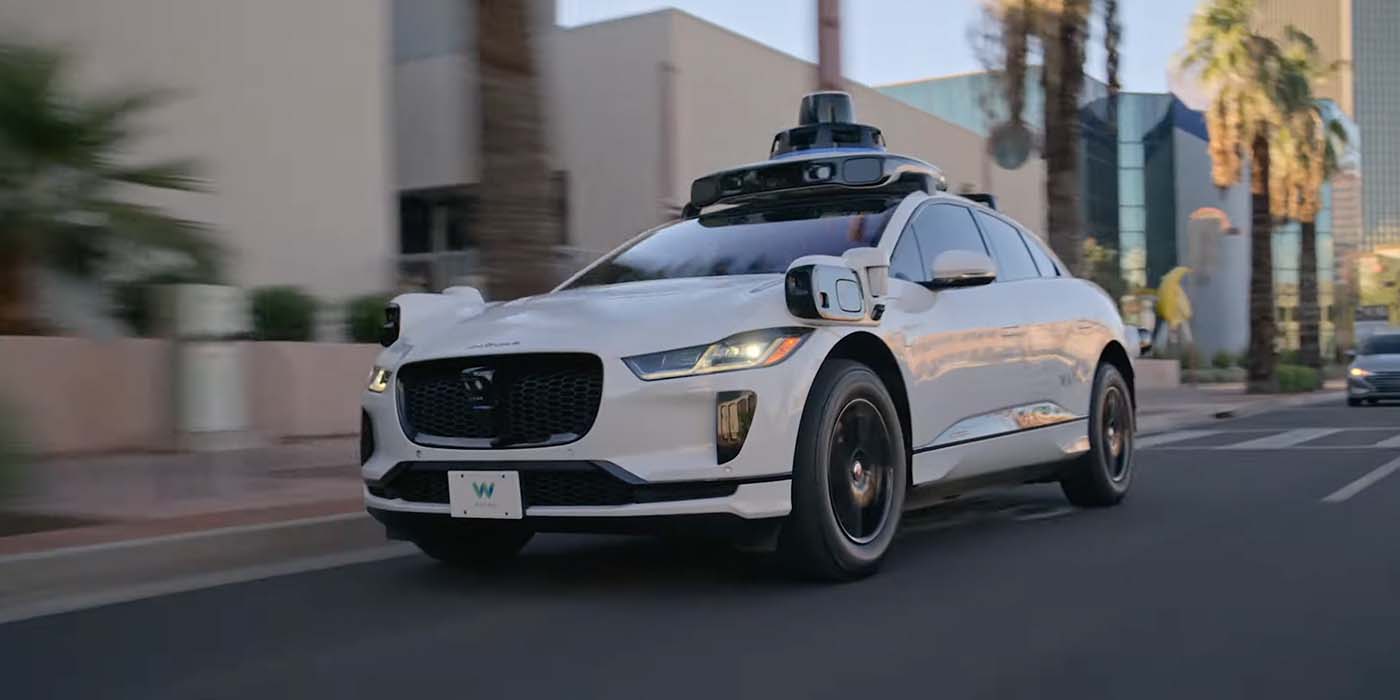
- Waymo has imported more than 3,200 Zeekr vehicles since 2024 (2,600+ arriving in 2026 alone) through the Port of Los Angeles, paying the full 127.5% tariff; the Ojai's total cost is expected to be less than half the Jaguar I-PACE robotaxis it's replacing.
- The Ojai arrives stripped of Chinese connectivity hardware and sensors; Waymo installs its own US-designed compute and sensor suite and handles final assembly at its Mesa, Arizona facility with supplier Magna.
- Waymo's sixth-generation Driver uses 13 cameras, four lidars, and six radar units — a 42% sensor count reduction from the prior generation, with the hardware stack now running under $20,000 per vehicle.
- Waymo currently runs about 500,000 paid rides per week across roughly a dozen cities and is targeting 1 million weekly; Ojai rides expand to Denver, San Diego, and Las Vegas next, with nearly 1,000 Ojai robotaxis already staged at the Arizona factory.
Why it matters: Waymo absorbing a 127.5% tariff and still undercutting the Jaguar I-PACE's per-unit cost shows how far ahead China's EV supply chain is on production — even after stripping Chinese software and adding US-designed compute. The sub-$20,000 sensor stack and 1,000+ Ojai vehicles staged in Arizona form the economic foundation for Waymo's 1-million-weekly-rides target.
Ask SkimNews