Why the US should pull back from the first island chain — SkimNews
Get the Geopolitics newsletter
Daily geopolitics — wars, elections, sanctions, the diplomatic moves that move markets. Free.
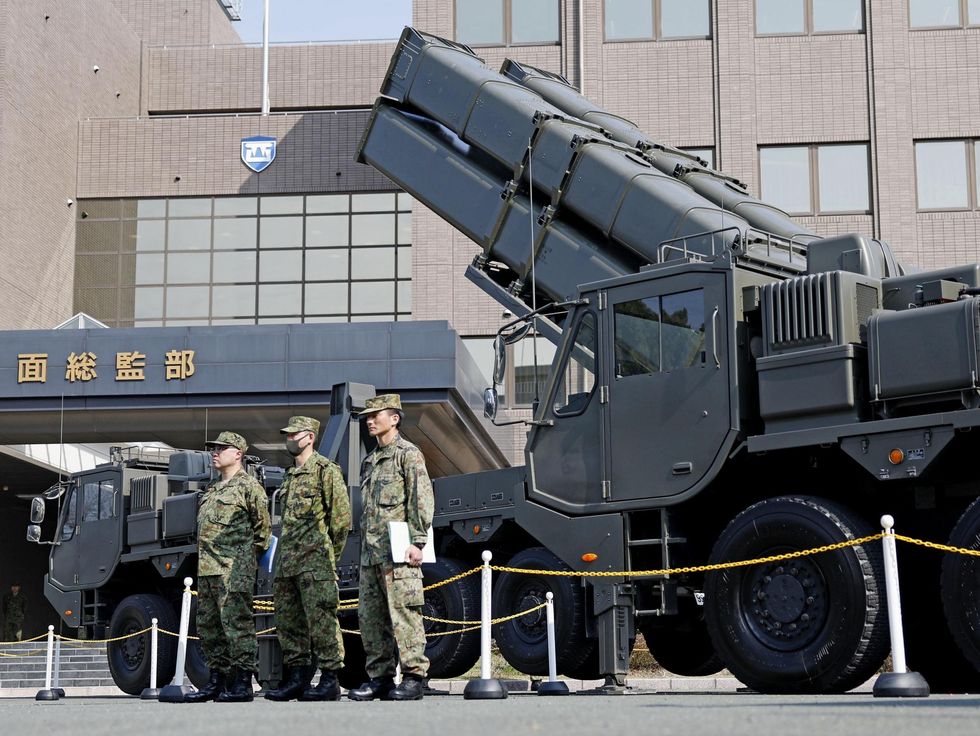
- Japan's defense ministry announced a US Typhon ground-based missile system capable of firing Tomahawks will stay at Kadena Air Base in Okinawa rather than return to the US after exercises, with Tokyo framing the move as supporting training rather than warfighting.
- The National Defense Strategy simultaneously calls for a 'decent peace' with China and for a 'denial defense along the first island chain,' goals the analysis argues are fundamentally incompatible rather than sequential.
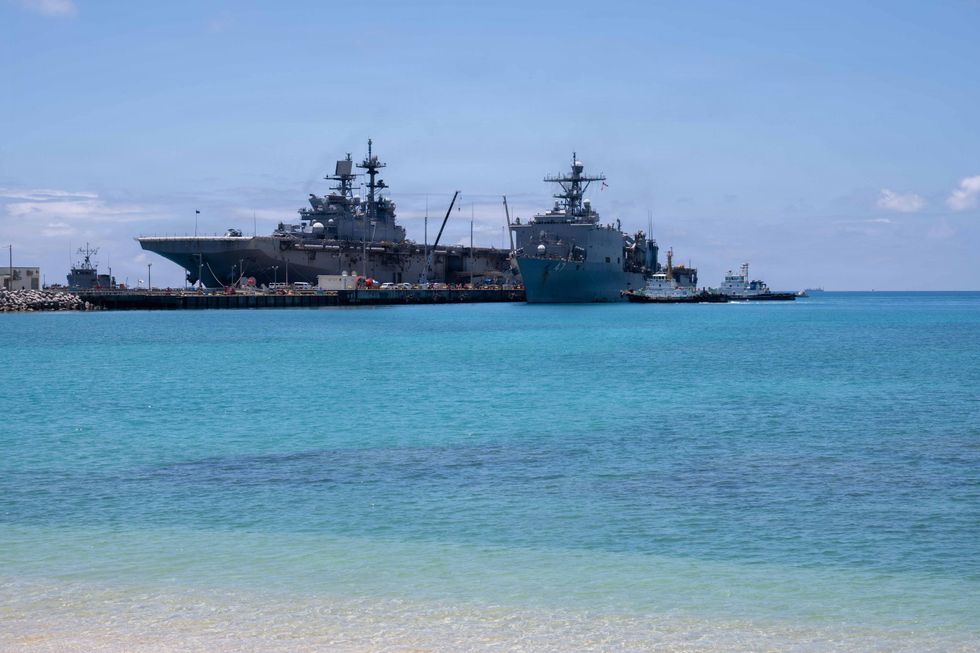
- The US military has positioned approximately 80,000 forces at bases across Japan, South Korea, the Philippines, and Taiwan, and the Trump administration is upgrading fighter jets in Japan, building new infrastructure on Luzon, and deploying new anti-ship and anti-aircraft missiles throughout the region.
- China has responded with its own military buildup — deploying more missiles opposite Taiwan and expanding South China Sea patrols closer to Japan — producing what the author calls an arms race and the opposite of 'decent peace.'
- The author recommends consolidating US forces to the second island chain (Guam, Palau, Micronesia, Tinian) and leaving only rotational forces in Japan and the Philippines, and cites the 'outcome of the U.S. war in Iran' as evidence that first-island-chain bases are not sustainable or survivable.
- Critics argue that pulling back would embolden Beijing to seize Taiwan and push the US out of Asia entirely, though the author contends China lacks both the trade-based incentive and the military capability to become the region's sole hegemon.
Why it matters: The analysis identifies a direct contradiction in the National Defense Strategy: the 'denial defense' posture meant to enable 'decent peace' with China is instead accelerating Beijing's military buildup. Under the author's prescription, approximately 80,000 US personnel currently spread across Japan, South Korea, the Philippines, and Taiwan would consolidate to a smaller second-island-chain footprint, sharply reducing forward-deployed firepower near the Chinese mainland.
Ask SkimNews