Isle of Man races to revive ancient peat bogs — SkimNews

Get the Energy newsletter
Daily energy & climate — solar, EVs, oil, the policy fights and tech bets shaping the transition. Free.
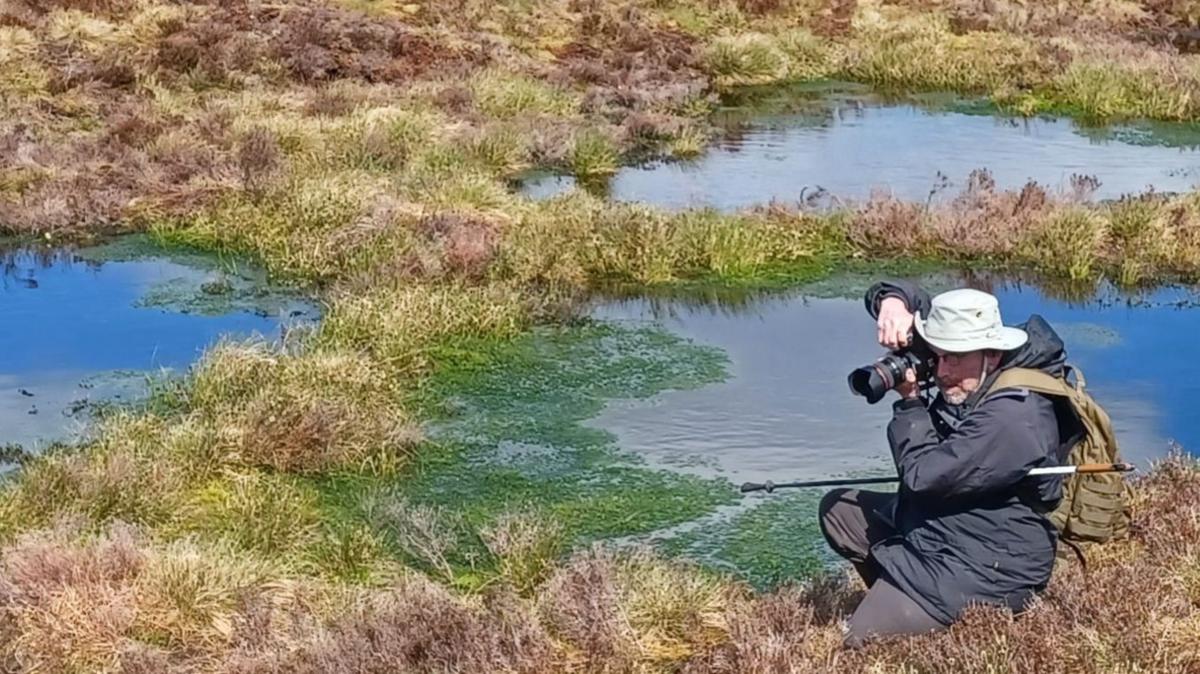
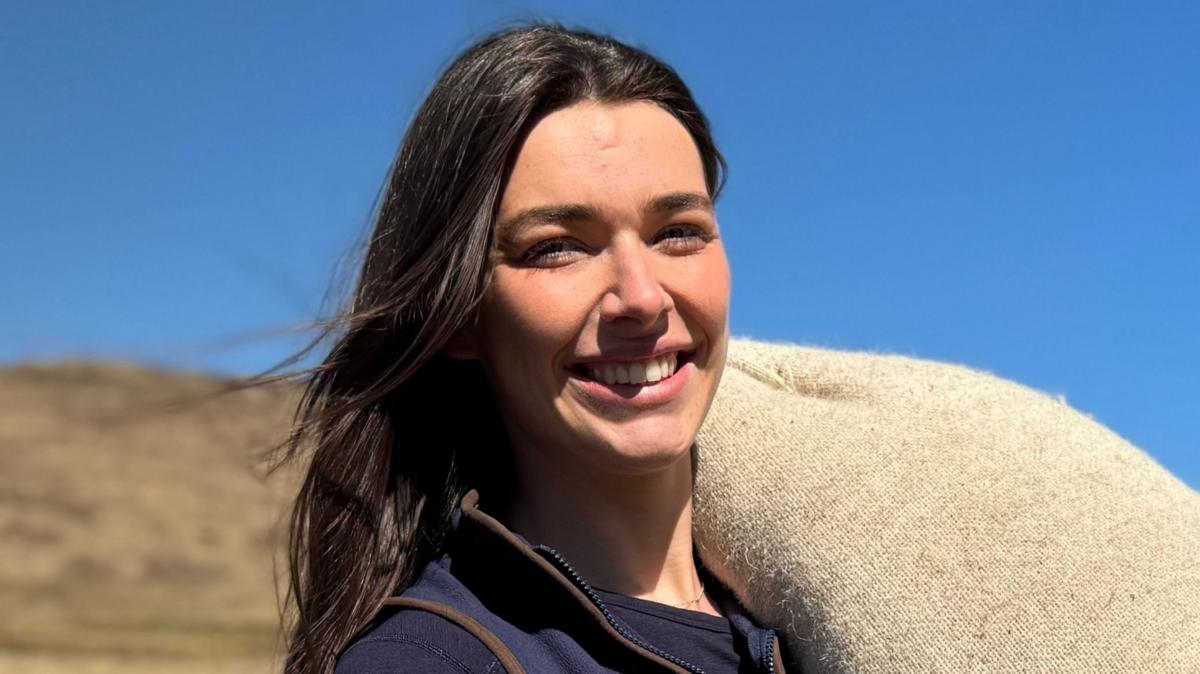
- Sarah Hickey, the Isle of Man's Peatland Officer, works with a three-person Uplands team to manage roughly 8,000 hectares of upland, probing depths and reshaping bare peat faces left by historical cutting.
- Isle of Man uplands were largely deforested by the 17th century, pushing residents to cut peat for fuel; that practice was banned in 2020 but the eroded, collapsing scars still wash sediment into reservoirs today.
- Restoration crews use a lightweight digger to pull bare peat back to gentler slopes, then secure the surface with bio logs and netting to keep the ground shaded and damp so new vegetation can establish.
- Sphagnum moss is described by Hickey as the 'real engineer' of healthy bogs, holding huge volumes of water, slowing runoff, filtering sediment, and keeping peat up to 90% water, which she says makes it more fire-resistant as summer wildfires rise.
- Ground-nesting birds such as hen harriers depend on the open, treeless bog habitat the rewetting preserves, and within hours of last year's coir-log work, dragonflies were already laying eggs in the newly formed pools.
Why it matters: Peat stores more carbon than any other soil, and the Isle of Man is racing to seal the leaks left by centuries of cutting before that carbon escapes — a 2020 fuel-cutting ban stopped new scars but left roughly 8,000 hectares of damaged upland still shedding sediment into drinking-water reservoirs.
Ask SkimNews