Britain's £13M Race to Reprofile Damaged Peat Bogs — SkimNews

Get the Energy newsletter
Daily energy & climate — solar, EVs, oil, the policy fights and tech bets shaping the transition. Free.
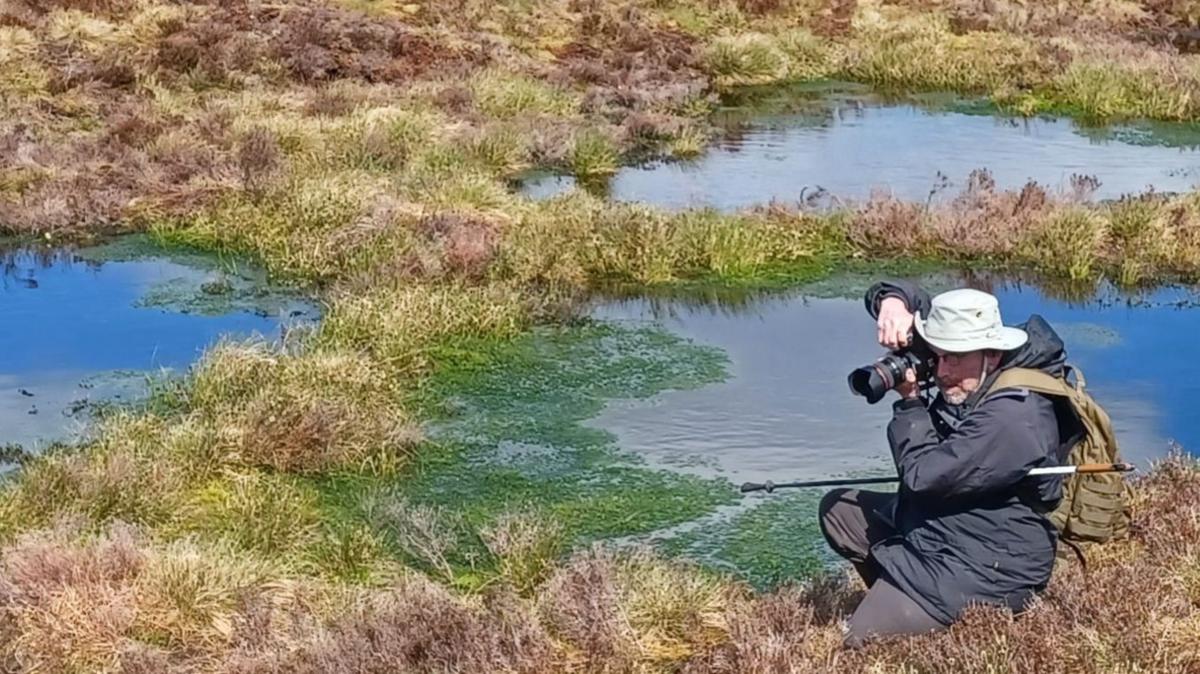
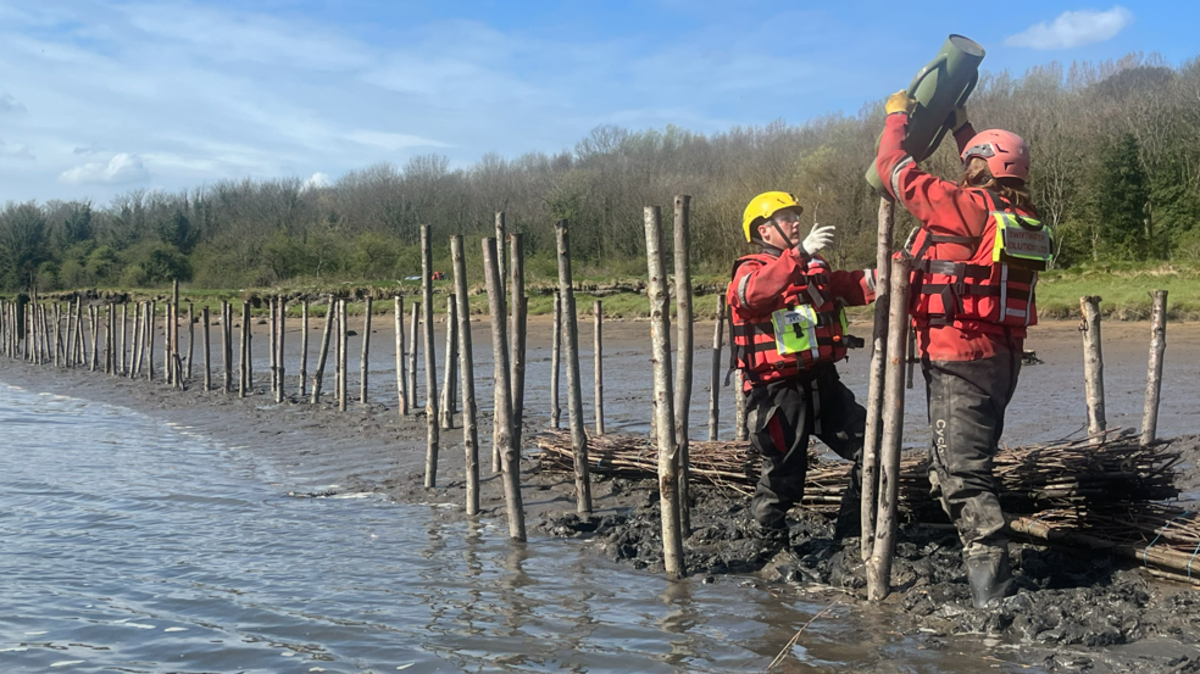
- Al West, a Dartmoor commoner whose family has held grazing rights there since 1904, uses a small digger to reprofile 8,500 hectares of severely degraded blanket bog, building peat embankments across gullies and ditches to raise the water table and stop rainwater runoff.
- South West Peatland Partnership has restored 1,700 hectares of damaged peat bog across Dartmoor, Exmoor, Bodmin Moor and West Penwith in the last four years, against a target of more than 2,600 hectares, as part of a £13m project funded by Natural England, South West Water and the National Trust.
- About 80% of UK peatland is degraded or damaged, turning what could be the country's biggest carbon store into a net carbon emitter responsible for at least 3.5% of total UK greenhouse gas emissions, with drained and burned peatlands worldwide releasing CO2 equivalent to 10% of annual fossil fuel emissions.
- The Committee on Climate Change has called for 50% of upland peatlands and 25% of lowland peatlands to be restored to near-natural condition by 2050 to meet legally binding UK climate policy, while Justine Read of the partnership warned south-west blanket bog will not survive past 2060 without intervention.
- Edward Adam, a partnership monitoring officer, said dragonfly populations have already rebounded on restored sites, calling the return of the insects 'the start of the healing process' since they sit near the bottom of the moorland food chain.
- The deepest peat bog on Dartmoor reaches 9 metres, representing 9,000 years of natural archaeology including globally rare Bronze Age tin-streaming remains that must be protected during the reprofiling work.
- Healthy peat bogs store twice as much carbon as all the world's forests combined, according to the source, making the restoration push a direct lever on the UK's net-emissions trajectory.
Why it matters: With 80% of UK peatland degraded and the sector now contributing at least 3.5% of national greenhouse gas emissions, the £13m partnership has restored just 1,700 of its 2,600+ hectare near-term target while the Committee on Climate Change's 2050 deadline for restoring half of upland peat demands a steep scale-up; peat bogs store twice the carbon of all the world's forests, so the south-west pilot is effectively a test case for whether Britain can convert its largest degraded carbon source back into a sink.
Ask SkimNews