The slow, muddy work of saving ancient bogs — SkimNews

Get the Energy newsletter
Daily energy & climate — solar, EVs, oil, the policy fights and tech bets shaping the transition. Free.
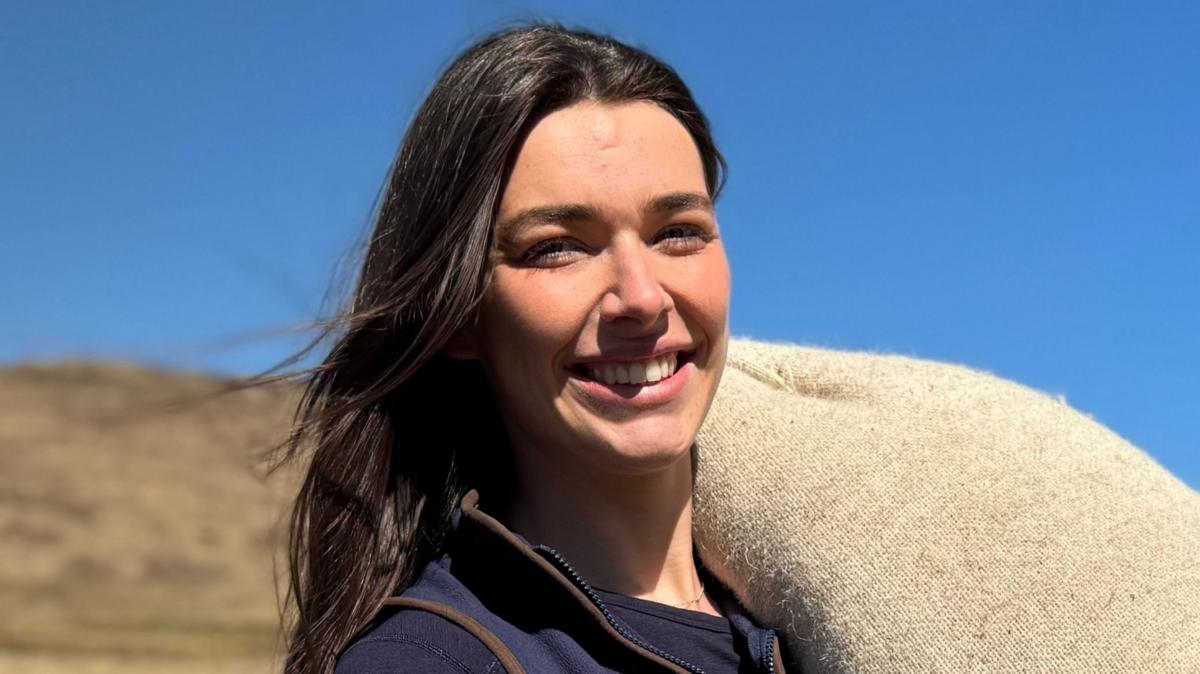
- Sarah Hickey, the Isle of Man's Peatland Officer, leads a three-person Uplands team that manages roughly 8,000 hectares of the island's hills, probing peat depth with a metre-long metal rod to locate the most degraded sites.
- Peat stores more carbon than any other soil on Earth, and the Isle of Man's uplands were stripped of trees by the 17th century, with islanders cutting peat blocks for fuel until the practice was banned in 2020.
- Restoration work uses diggers light enough to avoid further damage to regrade bare peat faces to gentler slopes, then protects the exposed ground with bio logs and netting to keep it shaded and damp while new vegetation establishes.
- Sphagnum moss is described as the real engineer of a healthy bog, holding huge amounts of water, slowing rainfall to reduce flooding, filtering sediment before it reaches reservoirs, and keeping peat up to 90% water — a property that makes it increasingly fire-resistant as summer wildfires grow more common.
- Ground-nesting hen harriers depend on open, treeless bog that protects them from perching predators, and the wet ground breeds the invertebrates their chicks feed on.
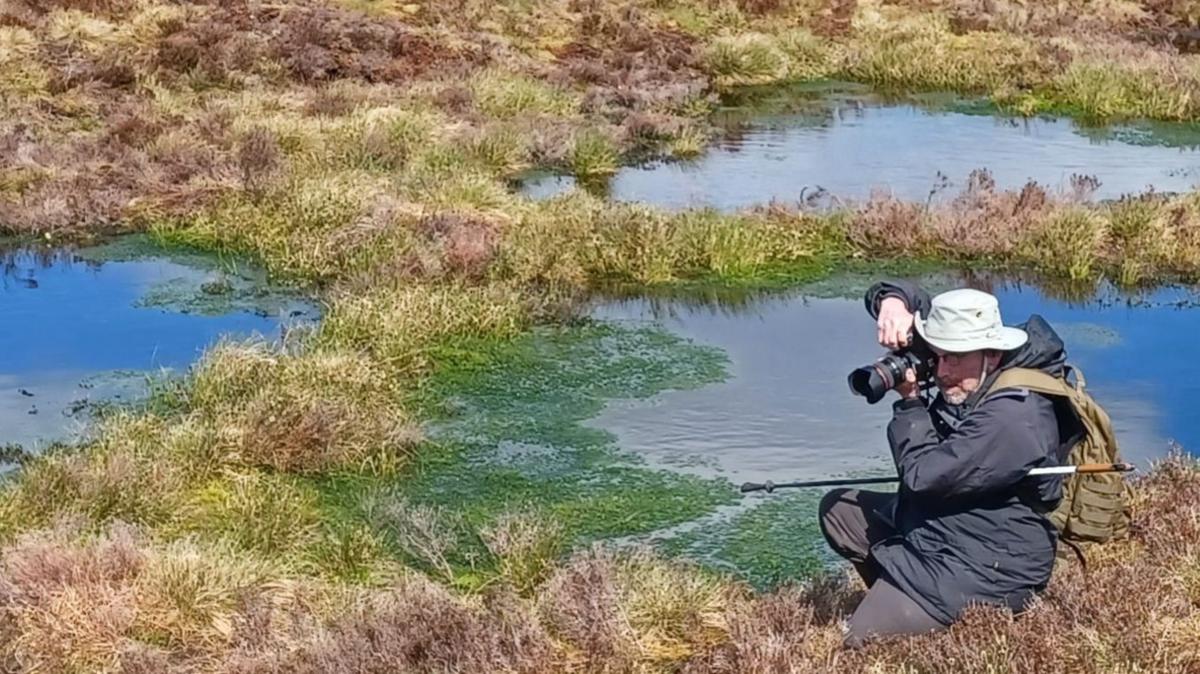
- Quick ecological returns have been observed on restored sites: after Hickey's team installed coir logs at one location last year, dragonflies were already laying eggs in the newly created pools by the time the crew sat down for tea beside them.
Why it matters: A three-person team is racing to stabilise thousands of hectares of eroding peat that still washes sediment into the island's reservoirs five years after the 2020 cutting ban — and the sphagnum-driven recovery Hickey describes locks in carbon storage, flood buffering, and 90%-water fire resistance on land that was historically strip-mined for household fuel.
Ask SkimNews