Indonesia Signs US Defense Pact, Locks In Russian Oil — SkimNews

Get the Geopolitics newsletter
Daily geopolitics — wars, elections, sanctions, the diplomatic moves that move markets. Free.
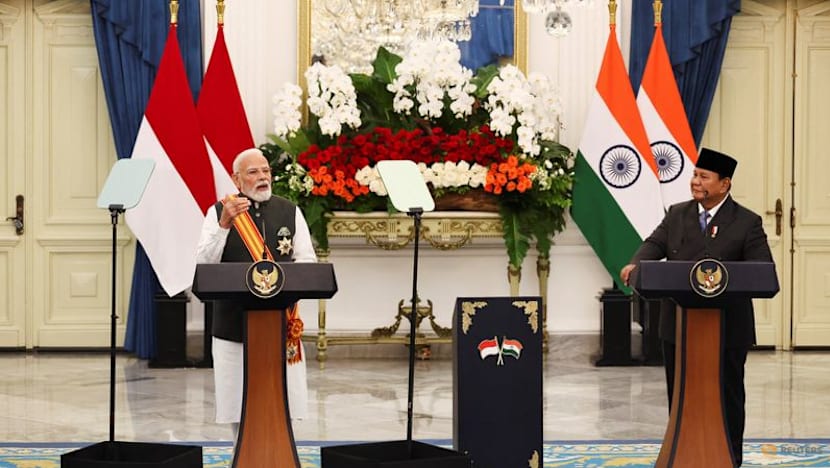
- Indonesia signed the Major Defense Cooperation Partnership (MDCP) with the US at the Pentagon on April 13, 2026, the same day President Prabowo Subianto met Vladimir Putin at the Kremlin for a five-hour session to secure Russian crude at a reported US$59 per barrel.
- The MDCP grants Indonesia access to subsurface technology, autonomous systems, and advanced asymmetric capabilities — privileges the source says are typically reserved for America's closest treaty allies — organized around three pillars: military modernization, professional training, and joint exercises.
- Indonesia structured the pact without a mutual defense clause to preserve strategic autonomy, allowing it to pursue BRICS membership while serving as a US security partner in Southeast Asia.
- Prabowo's earlier visits to Japan and South Korea yielded 575 trillion rupiah (US$33 billion) in investment commitments, providing fiscal space to procure Western-compatible hardware including co-development of the KF-21 fighter jet with Seoul.
- US overflight rights sparked internal Indonesian tension, with a classified Pentagon document "Operationalizing US Overflight" seeking rapid transit corridors from Pacific to Indian Ocean; the Foreign Ministry warned of an "alliance trap" while the Defense Ministry insists airspace sovereignty is absolute.
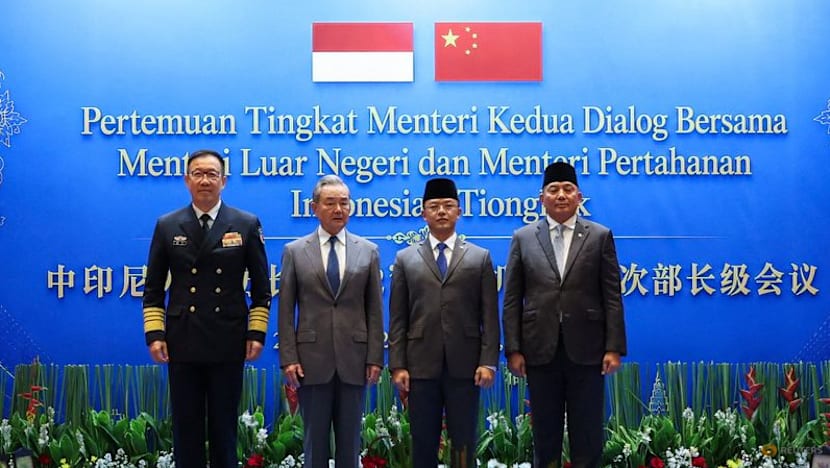
- China's Foreign Ministry spokesperson Mao Ning responded that military cooperation between nations must not target third parties, as Beijing balances the MDCP threat to its South China Sea claims with continued 2+2 Dialogue cooperation on critical minerals and cybersecurity.
Why it matters: Indonesia used a top-tier US military partnership signed the same day as a Putin meeting to function as a diplomatic shield against CAATSA sanctions on its Russian oil purchases, with $33 billion in Japan/South Korea investment commitments underwriting the procurement pipeline. The absence of a mutual defense clause and the standoff over overflight rights show exactly where Jakarta is drawing the line in its multi-alignment play.
Ask SkimNews