China, Indonesia Deepen Military and Mineral Cooperation — SkimNews
Get the Geopolitics newsletter
Daily geopolitics — wars, elections, sanctions, the diplomatic moves that move markets. Free.
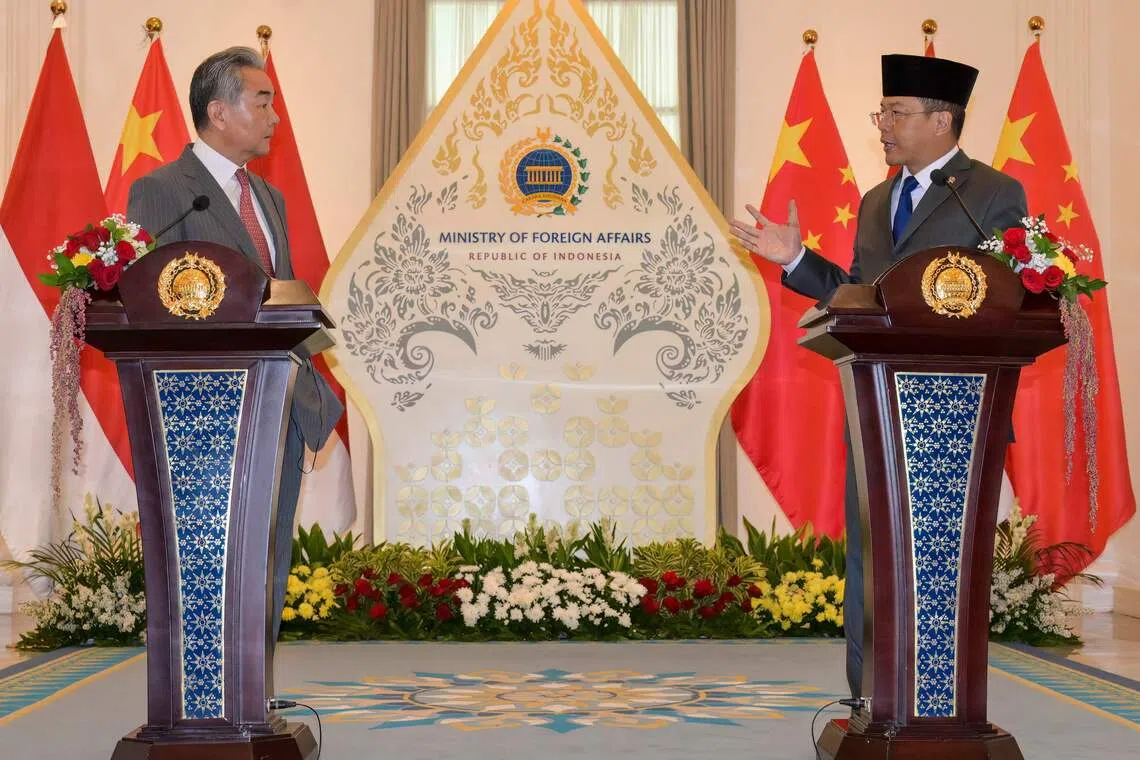
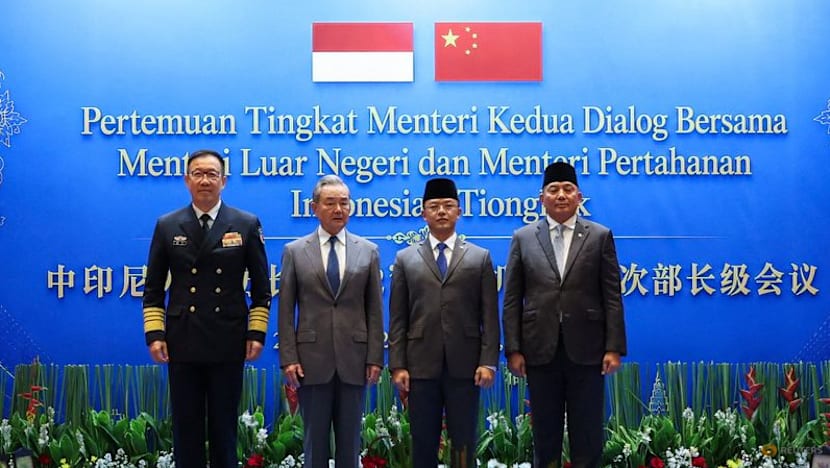
- China and Indonesia agreed on August 21 in Jakarta to boost military ties and cooperate on minerals, energy, and technology, with Chinese Foreign Minister Wang Yi and Defence Minister Dong Jun meeting their Indonesian counterparts.
- Wang Yi said both sides will support each other's core interests and cooperate more on energy and mineral resources, describing the international situation as "intertwined and complex" with "unilateralism and hegemonic acts" undermining global cooperation.
- The two countries pledged cooperation across artificial intelligence, defence, rail transport, green energy, satellites, and fisheries, with defence ties to include joint exercises, officer exchanges, and defence industry partnerships.
- Indonesia — a US$1.4 trillion G20 economy rich in nickel, tin, copper, gold, and bauxite, and the world's largest exporter of palm oil and thermal coal — received US$3.9 billion in Chinese FDI in the first half of 2026.
- Chinese companies operating in Indonesia have urged Jakarta to adopt more business-friendly policies, saying higher taxes and a new nickel pricing formula are driving up costs; a China Chamber of Commerce in Indonesia letter alleged "over-enforcement" and "corruption and extortion."
- Last week's rare China-Indonesia joint naval exercise east of Taiwan angered Taipei; Indonesia's navy said the same vessel also conducted routine exercises with Japan and the United States.
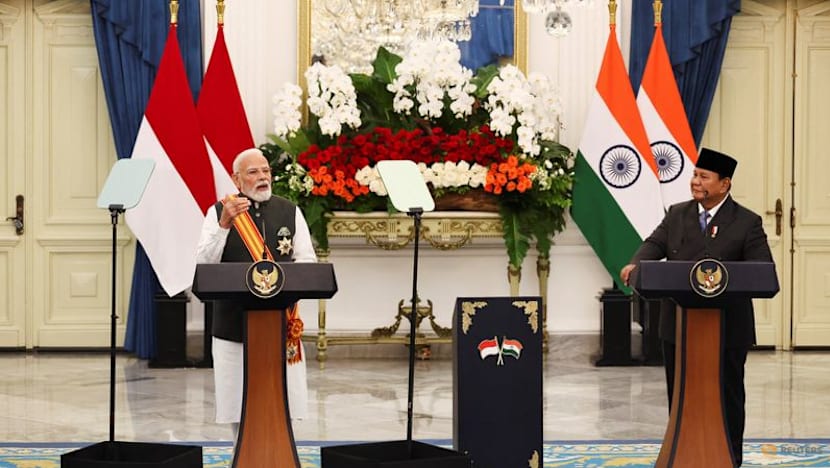
- Indonesian President Prabowo Subianto has advocated a "free and active" non-alignment policy of befriending both China and the US, while remaining measured on South China Sea disputes involving China, the Philippines, Malaysia, and Vietnam.
Why it matters: Jakarta is locking in deeper Chinese military and investment ties worth billions while preserving its non-alignment posture with Washington. The friction over Indonesia's nickel pricing formula and regulatory complaints shows the partnership is lucrative but not friction-free — Chinese firms are publicly lobbying Jakarta on taxes and quotas, giving Indonesia leverage but also raising costs for key EV battery and steel supply chains anchored by players like CATL and Tsingshan.
Ask SkimNews