Southern Red Wood Ants Reintroduced to Shropshire — SkimNews
Get the Health newsletter
Daily health & science — research, biotech, public health, the studies worth knowing. Free.
- Southern red wood ants — described as a keystone species and ecosystem engineers — have been reintroduced to Comer Woods near Bridgnorth, Shropshire, on the Dudmaston Estate as part of a National Trust woodland restoration project
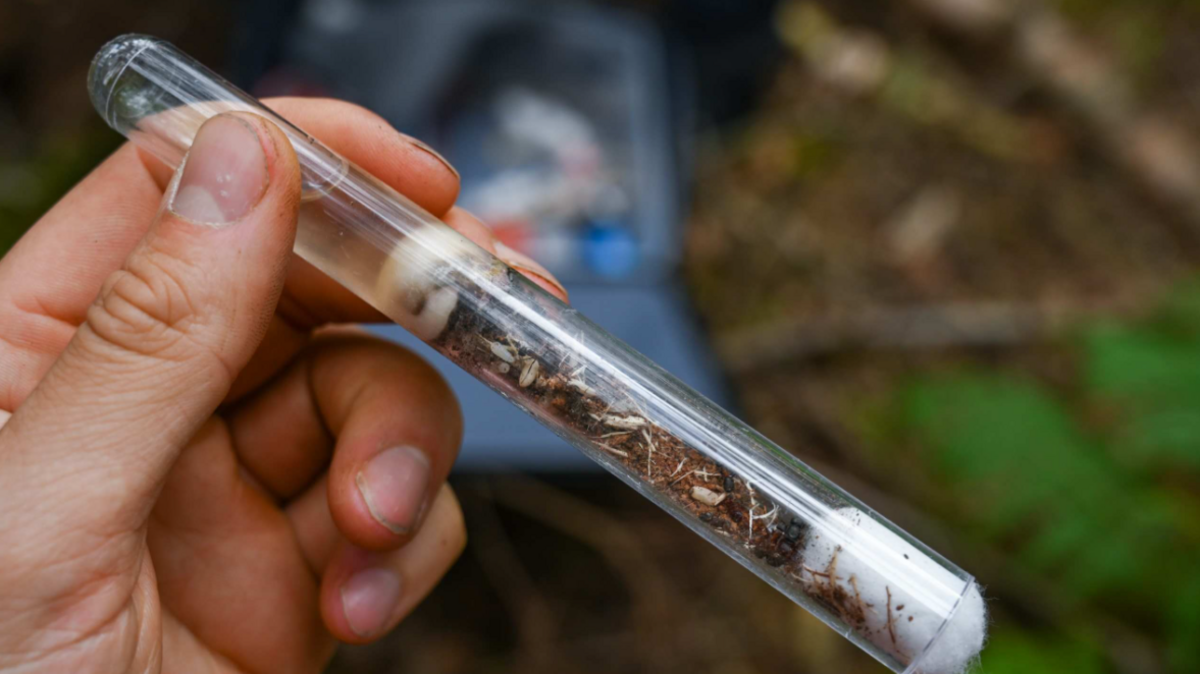
- The project is led by the National Trust in partnership with Swansea University and ant conservation specialists Ant Antics, with Swansea researchers planning the colonies' transport and monitoring how they develop and influence the surrounding ecosystem
- The ants have declined UK-wide due to habitat loss, woodland fragmentation, and changes in land management that removed the sunny woodland edges they depend on, disappearing entirely from much of the Midlands, East and North; they are listed as near-threatened on the IUCN Red List
- Colonies were translocated into woodland chosen for its structure, sunlight levels, and food supply, and the work connects to a parallel reintroduction at Kinver Edge, also under National Trust care
- Ewan Chapman, countryside manager for the National Trust, said the project is "restoring natural processes that support healthier soils, richer biodiversity and more resilient woodlands"
- Dr Wendy Harris of Swansea University called wood ants "true ecosystem engineers" whose nests influence soil nutrients, plant growth, and whole communities of other invertebrates, and said the reintroduction lets researchers study how woodland ecosystems "recover and function more naturally over time"
Why it matters: Southern red wood ants are listed as near-threatened globally and have been wiped out across much of central and northern England — this is a local reintroduction of a species that has functionally gone extinct in the region. Because the ants regulate soil health, insect populations, and broader food webs, returning them to Comer Woods and Kinver Edge is a concrete test of whether restoring a keystone species can rebuild woodland function that decades of habitat fragmentation have eroded.
Ask SkimNews