Plug-in port: Brazilian Port of Santos electrifies DP World terminal
Get the Energy newsletter
Daily energy & climate — solar, EVs, oil, the policy fights and tech bets shaping the transition. Free.
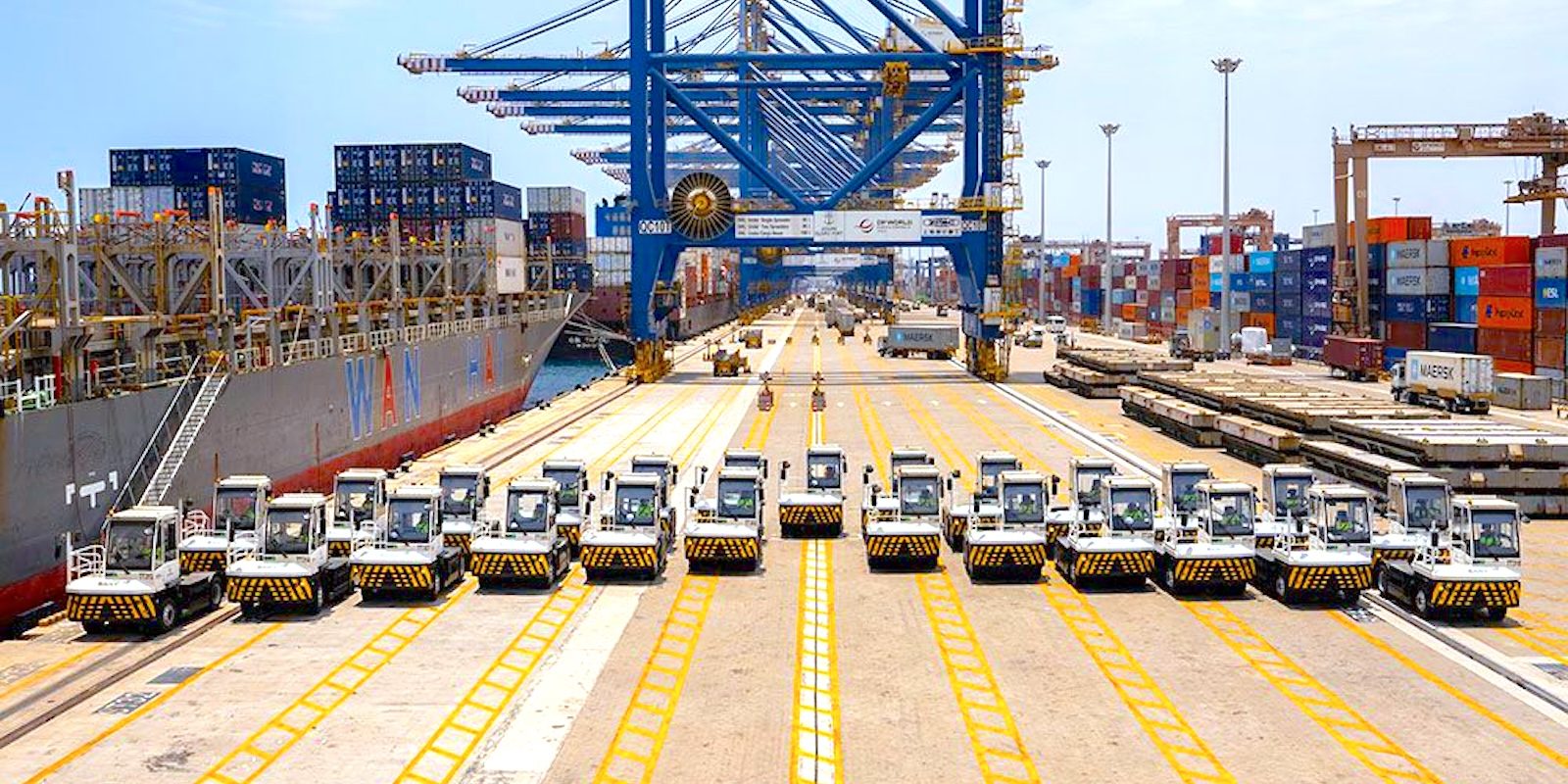
- DP World is deploying 15 battery-electric terminal trucks and 3 electric reach stackers at its Santos terminal in Brazil, part of a BRL 1.6 billion expansion targeting more than 2 million TEUs annually by 2028.
- The full modernization plan includes 44 electric terminal tractors, 3 electric reach stackers, 4 new electric quay cranes, and 15 40-ton class rubber-tired gantry cranes (RTGs), all scheduled for delivery before end of 2027.
- Fabio Siccherino, CEO of DP World Brazil, said the new electric vehicles "strengthen our operations today while supporting increasing trade volumes and the long-term growth of Brazil's trade."
- DP World has an established relationship with Dutch terminal truck maker Terberg, having deployed 20 YT203-EV yard hostlers at its Callao terminal in Peru — a model the article notes was not confirmed for Santos.
- The Terberg YT203-EV packs a 236 kWh battery and runs up to 20 hours a day at Callao, where diesel consumption fell 29.2% between January and April 2026 versus the 2024 average, cutting carbon emissions by more than 500 tons.
- DP World's Santos expansion positions the Brazilian terminal to handle more than 2 million TEUs annually by 2028, more than doubling the throughput implied by the first-phase equipment additions.
Why it matters: DP World's Santos electrification is the first Brazilian port deployment of this scale, pairing a BRL 1.6 billion capex program with a hard 2027 delivery deadline for 44 electric tractors plus new quay and gantry cranes — and the Callao precedent (29.2% diesel cut, 500+ tons of CO₂ avoided in four months) gives shippers and regulators a concrete emissions benchmark for what Brazilian terminal operations could look like by 2028.
Ask SkimNews