$383M grant electrifies Port of Long Beach freight — SkimNews
Get the Energy newsletter
Daily energy & climate — solar, EVs, oil, the policy fights and tech bets shaping the transition. Free.
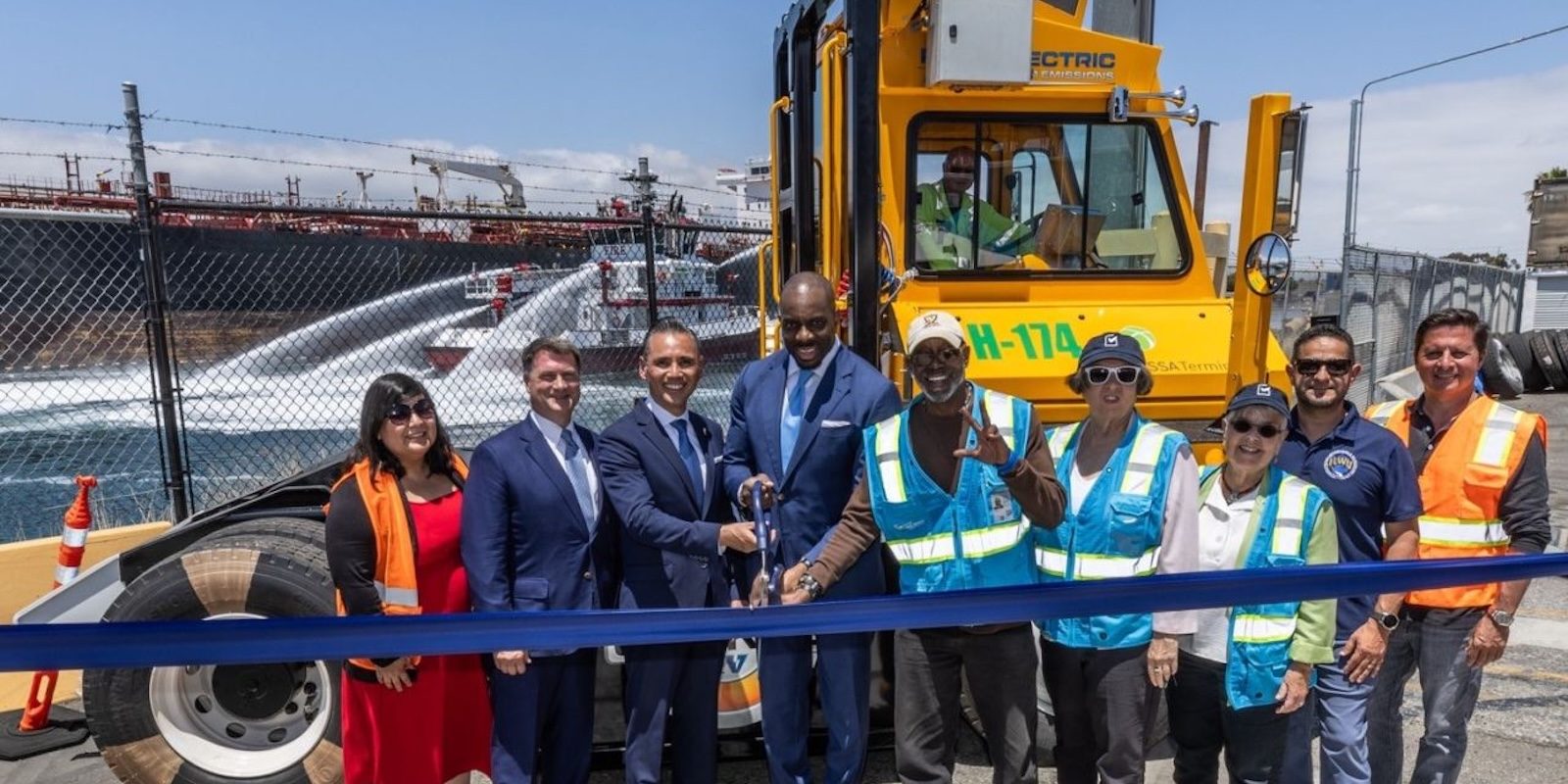
- California's Port and Freight Infrastructure Program (PFIP) issued a record $383 million grant at a Port of Long Beach ceremony, with California State Transportation Agency Secretary Toks Omishakin on hand to symbolically launch the program
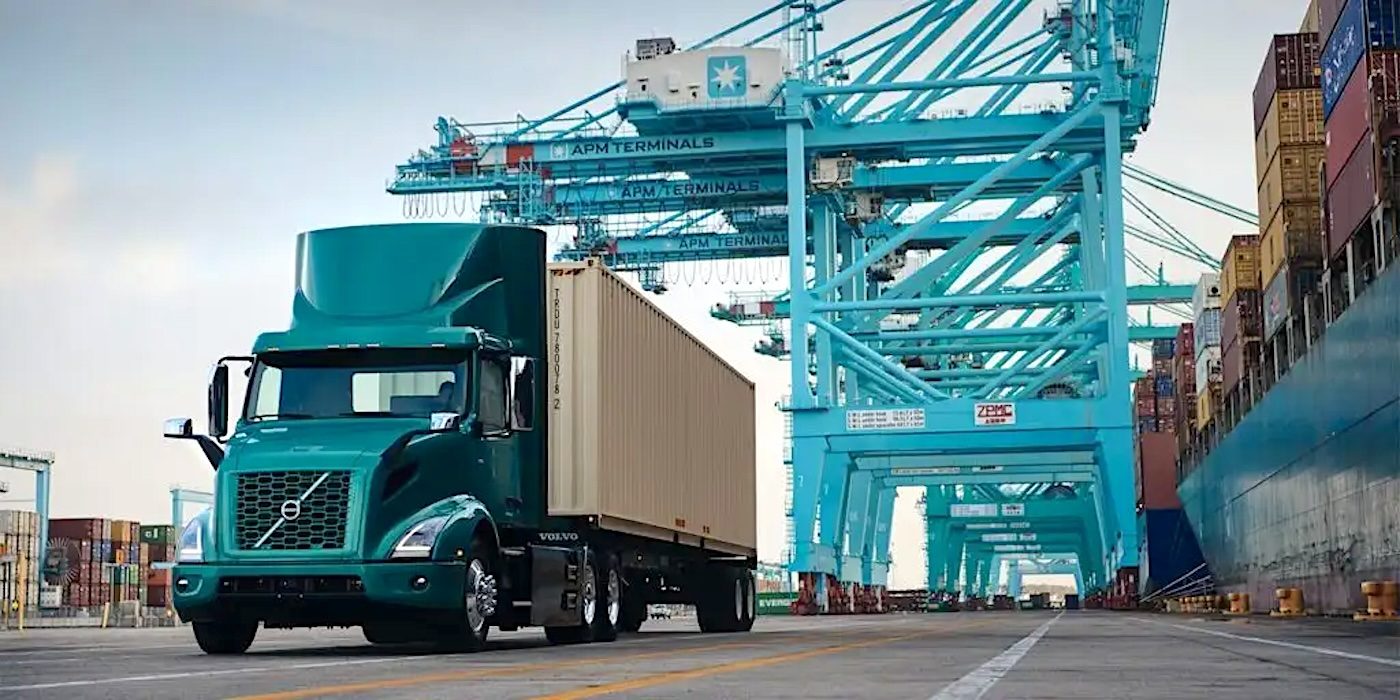
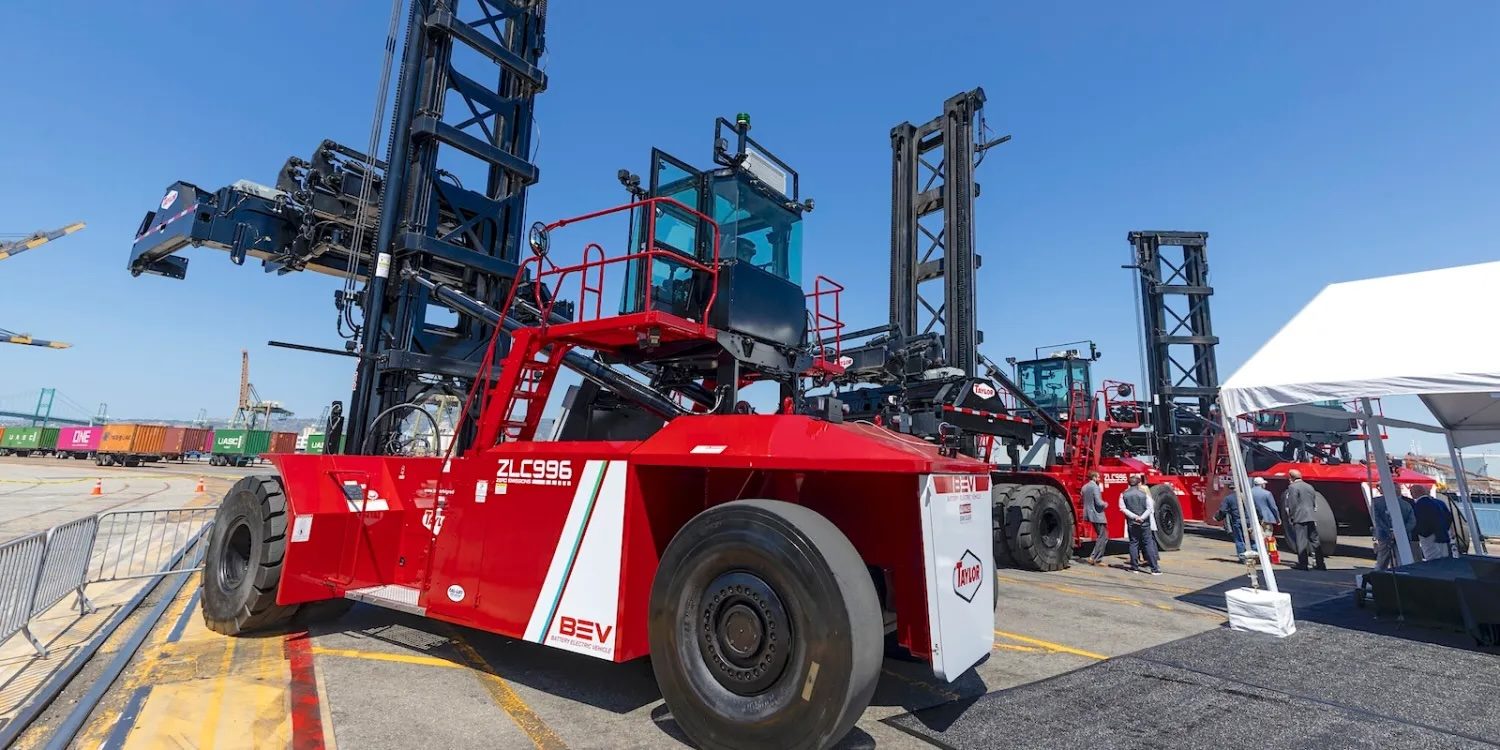
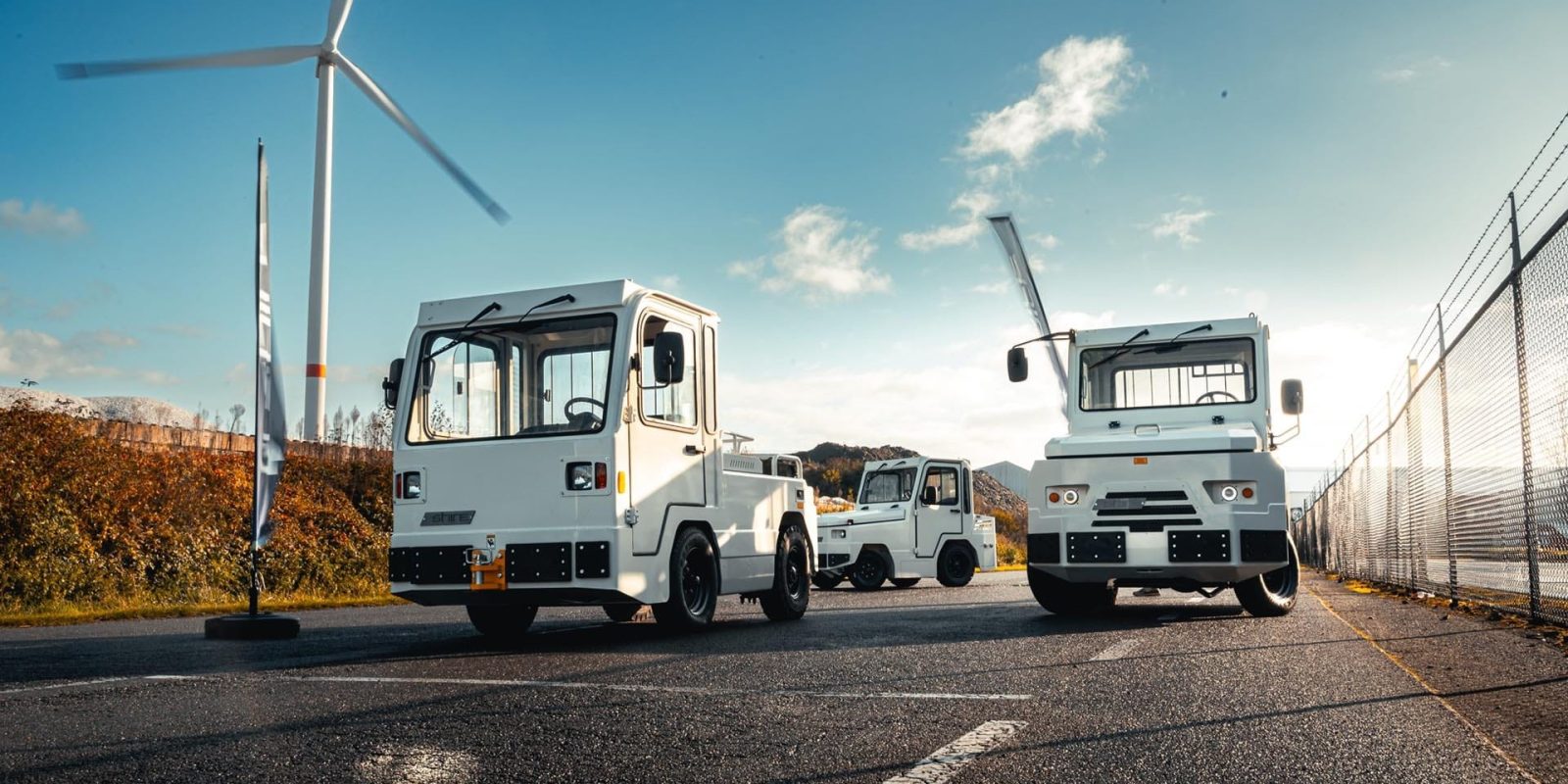
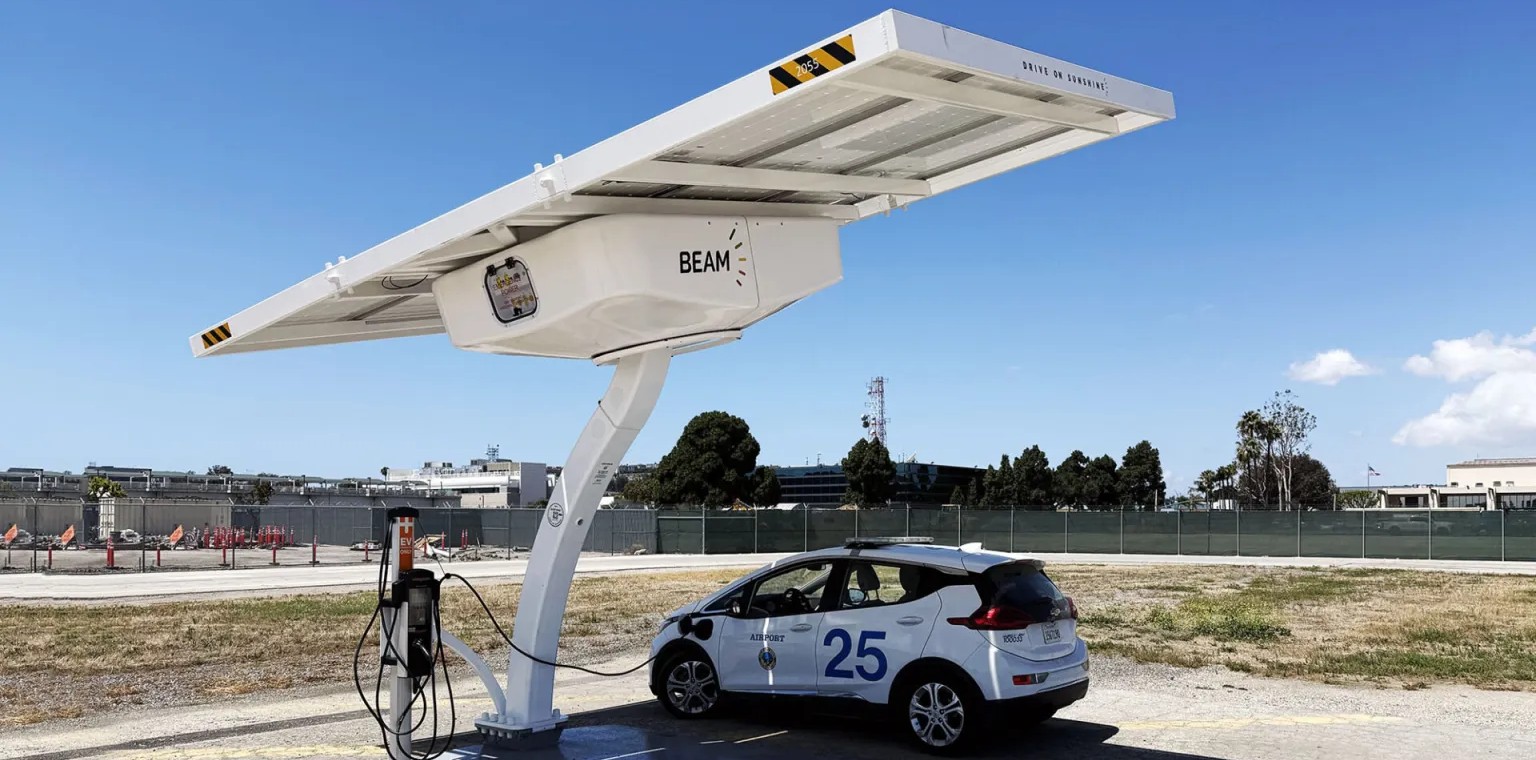
- The grant funds SWIFT vehicles including a battery-electric tugboat, 12 heavy forklifts, and 49 cargo-handling equipment units, plus 21 charging stations and three hybrid-electric or zero-emission short-run ferries and pilot vessels
- Port of Long Beach CEO Dr. Noel Hacegaba said the investment accelerates the port's path to becoming the "world's first zero-emissions port," crediting partners SSA Terminals, Matson, and the ILWU
- The funding is projected to create approximately 22,000 clean jobs while eliminating more than 12% of CO2 emissions and more than 5% of NOx emissions tied to Port-related operations annually by 2028
- Omishakin framed the grant as part of Governor Newsom's "historic commitment to freight infrastructure," saying intentional infrastructure investment strengthens supply chains and creates statewide economic opportunity
Why it matters: The Port of Long Beach is one of America's busiest ports, and the $383 million PFIP grant — the program's largest single award — translates state climate ambition into specific hardware: one battery-electric tugboat, 49 cargo-handlers, 21 chargers, and three ferries. With Matson, SSA Terminals, and the ILWU publicly aligned, the port now has a 2028 benchmark to eliminate 12%+ of its CO2 and 5%+ of its NOx, giving California a concrete test case for what zero-emission port operations actually look like at scale.
Ask SkimNews