California offers up to $100,000 per port for EV fast chargers — SkimNews
Get the Energy newsletter
Daily energy & climate — solar, EVs, oil, the policy fights and tech bets shaping the transition. Free.
- California's Fast Charge California Project opened for applications October 7, offering up to $100,000 per public EV fast-charging port backed by at least $28 million in total funding administered by the Center for Sustainable Energy.
- Incentive tiers scale with power output: ports delivering 150 kW to under 275 kW qualify for up to $55,000, while ports delivering at least 275 kW qualify for the full $100,000 per-port cap.
- Awards can cover up to 100% of approved costs including chargers, installation, planning, and engineering, but only for projects already ready to build — meaning applicants must have a final utility service design (or a letter confirming no upgrade is needed) and permits in place.
- Applications close January 14, 2027, with eligible applications funded in the order received and priority given to projects in disadvantaged, low-income, and tribal communities; a second window runs February 24 through May 27, 2027 with incentives capped at $55,000 per port.
- A prior spring 2026 round awarded $56.9 million to fund more than 1,266 ready-to-build DC fast-charging ports spanning all 58 California counties, with over 67% of those chargers installed or planned in disadvantaged, low-income, and tribal communities.
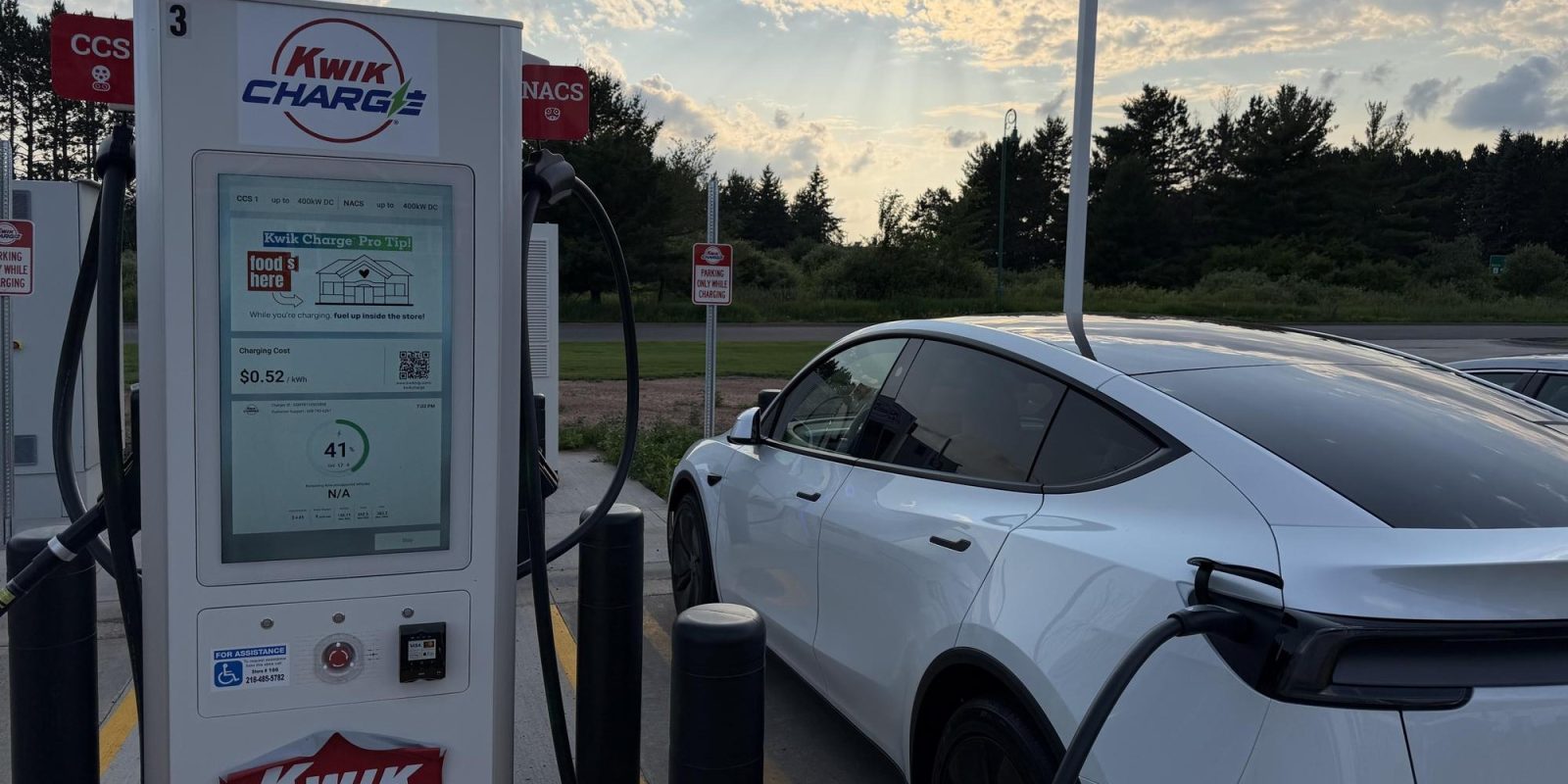
- Site restrictions tightened: charging hubs, hotels, and business districts are no longer eligible for this round, and at least half of the connectors at each funded site must be CCS — per the California Energy Commission-funded CALeVIP program, which says it has supported 10,200 charger installations since 2017.
Why it matters: Property owners, nonprofits, public agencies, and California tribes with sites already past permitting and utility coordination can now get up to 100% of installation costs covered — effectively eliminating the upfront capital and grid-readiness barriers that historically stalled charger builds. With a hard January 14, 2027 deadline and priority funding reserved for disadvantaged, low-income, and tribal communities, the round funnels money to projects that can actually break ground, not speculative proposals.
Ask SkimNews