Silica nanoparticles cured aggressive prostate cancer in mice — SkimNews
Get the Health newsletter
Daily health & science — research, biotech, public health, the studies worth knowing. Free.
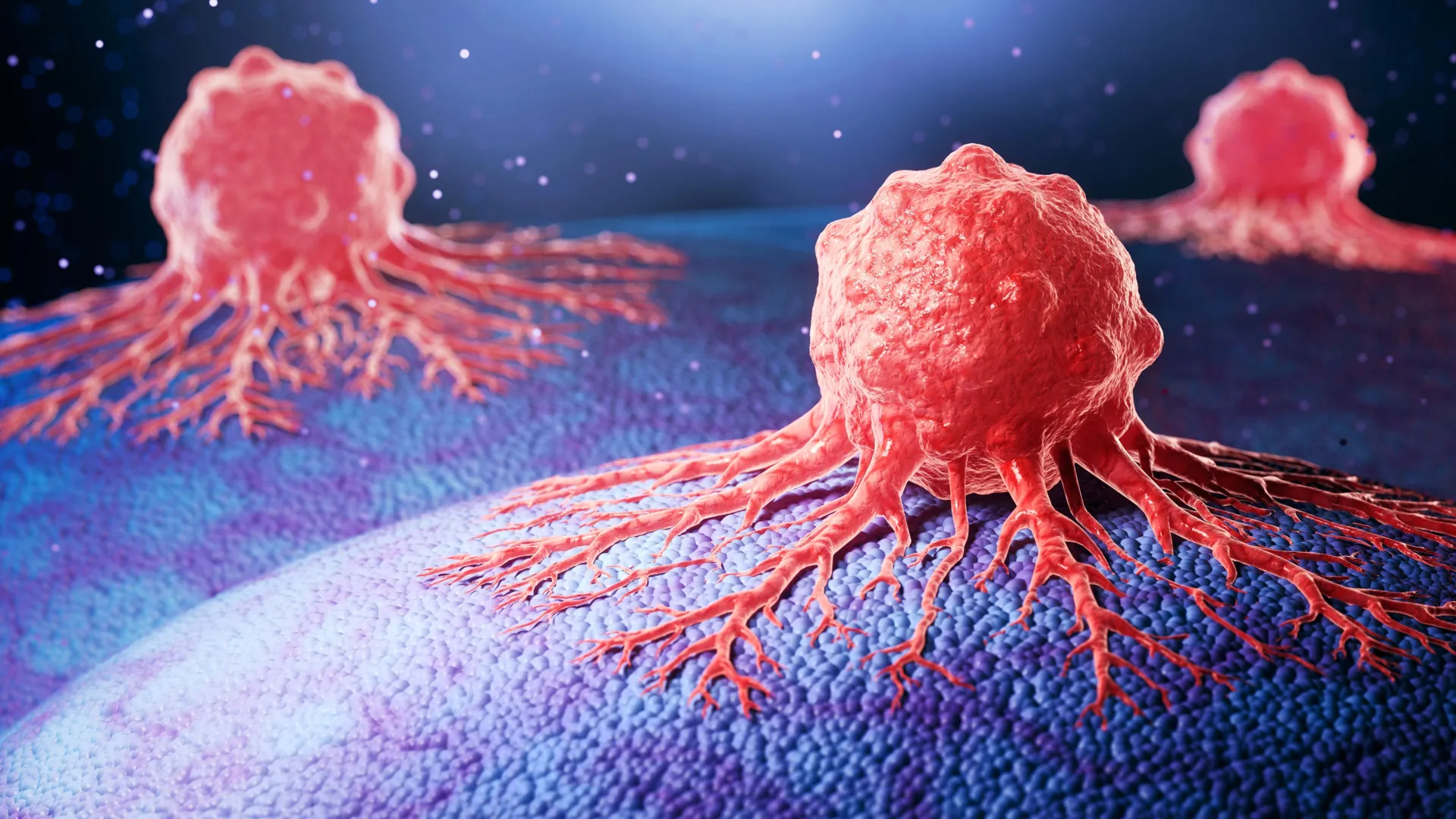
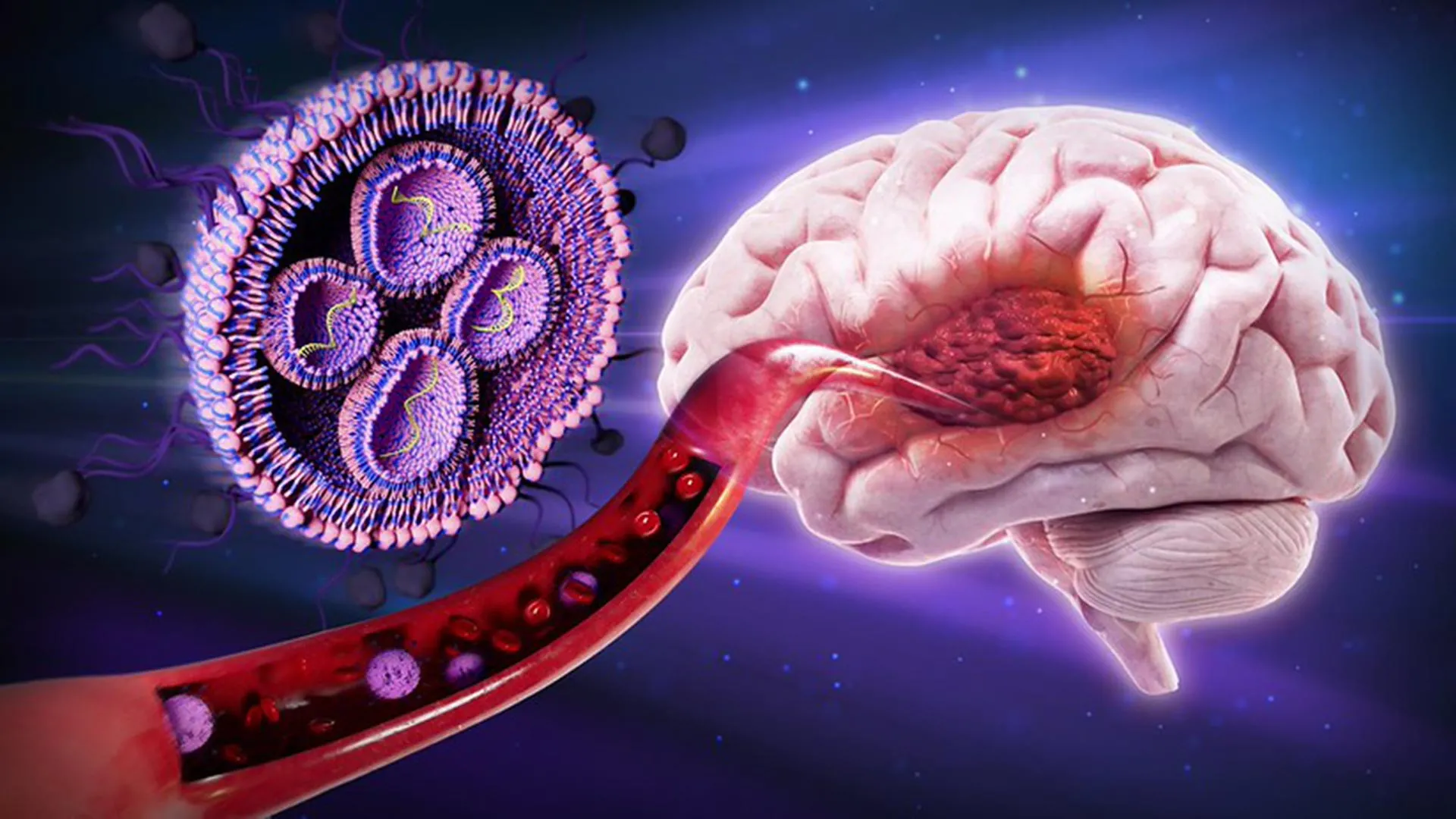
- Cornell Prime dots (C' dots) — ultrasmall fluorescent core-shell silica nanoparticles developed at Weill Cornell Medicine — selectively destroyed aggressive prostate cancer cells in mice while leaving healthy tissue largely unharmed, in a preclinical study published June 15 in Cancer Research.
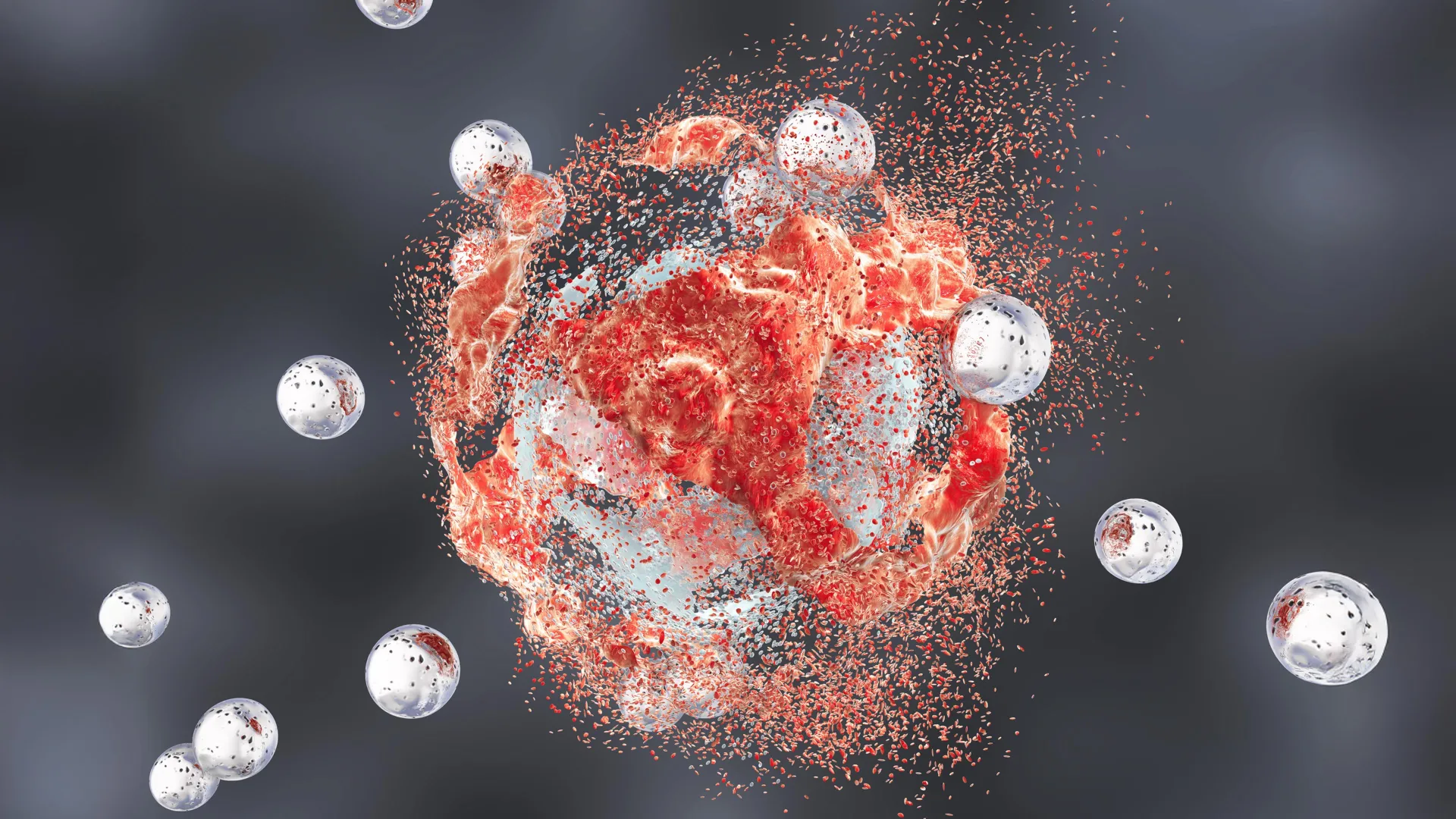
- The nanoparticles triggered ferroptosis, an oxidation-driven form of cell death, apparently by ferrying iron ions from the bloodstream into tumor cells, fueling runaway membrane damage.
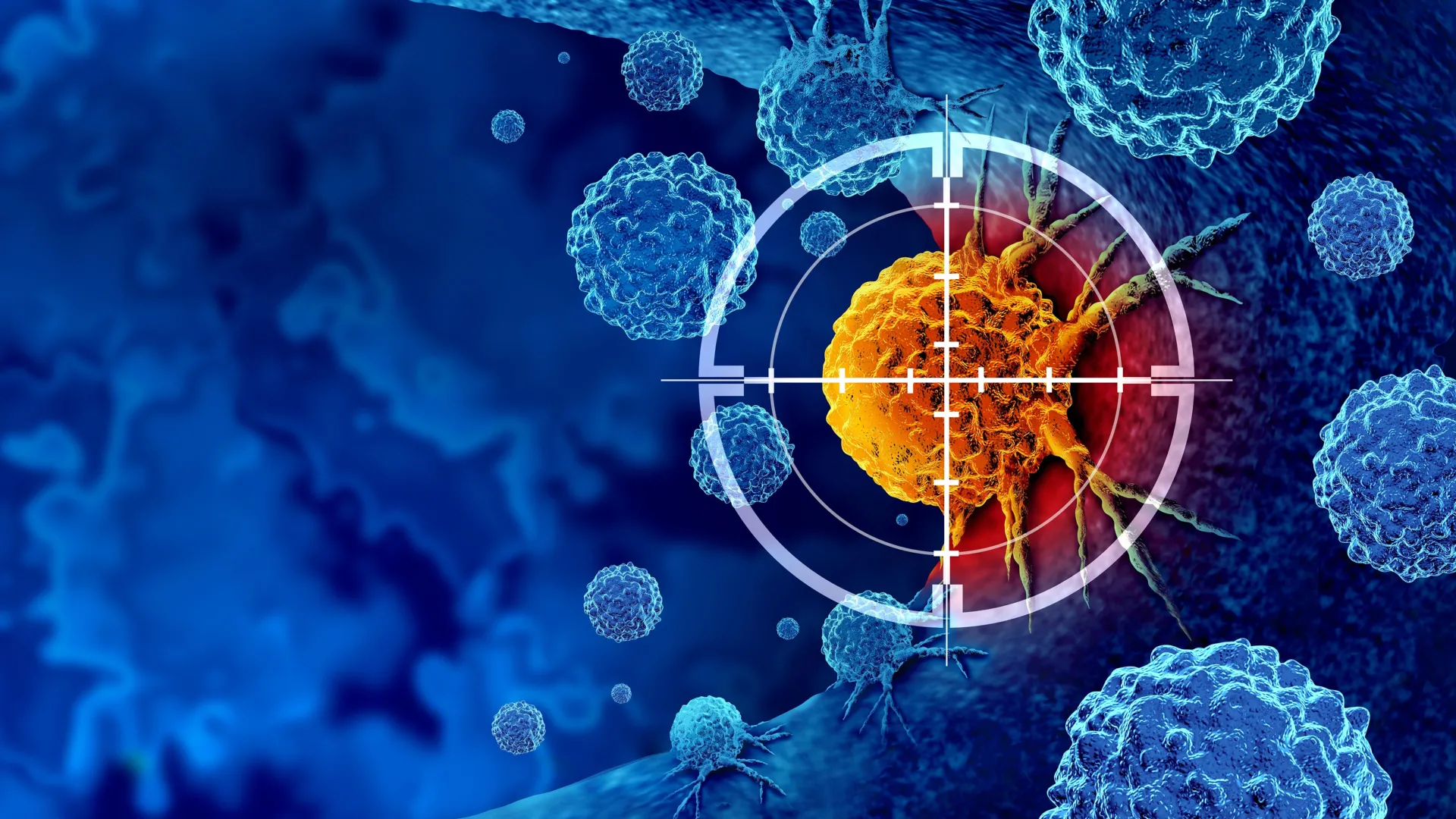
- The treatment flipped the tumor microenvironment from an immune-resistant 'cold' state to an immune-active 'hot' one, switching nearby T cells, macrophages, and other immune cells into cancer-fighting mode.
- Combining C' dots with immune checkpoint blockade therapy produced complete or near-complete remissions and indefinite survival in 4 out of 10 mice with aggressive prostate cancer, versus modest gains from either treatment alone.
- Adding CSF-1R blockade, which targets tumor-associated macrophages, raised the complete-remission count to 5 out of 10 mice in survival studies.
- Particles were guided to tumors via a targeting molecule that recognizes PSMA, a protein on prostate tumor cell surfaces, with no observed toxicity outside tumors despite brief spleen accumulation.
- The team's next step is evaluating C' dots in human clinical trials, building on the same particles already in late-stage trials for image-guided surgery.
Why it matters: Prostate cancer has historically resisted immunotherapy because its tumors tend to be immunologically 'cold,' limiting checkpoint inhibitor effectiveness. If these nanoparticles can simultaneously kill tumor cells and convert the microenvironment to 'hot' in humans, they could open checkpoint inhibitors to a cancer type where durable responses have remained rare — a concrete mechanism shift, not just an incremental gain.
Ask SkimNews