Semaglutide Dosing Errors Fueled Poison Call Spike — SkimNews
Get the Health newsletter
Daily health & science — research, biotech, public health, the studies worth knowing. Free.
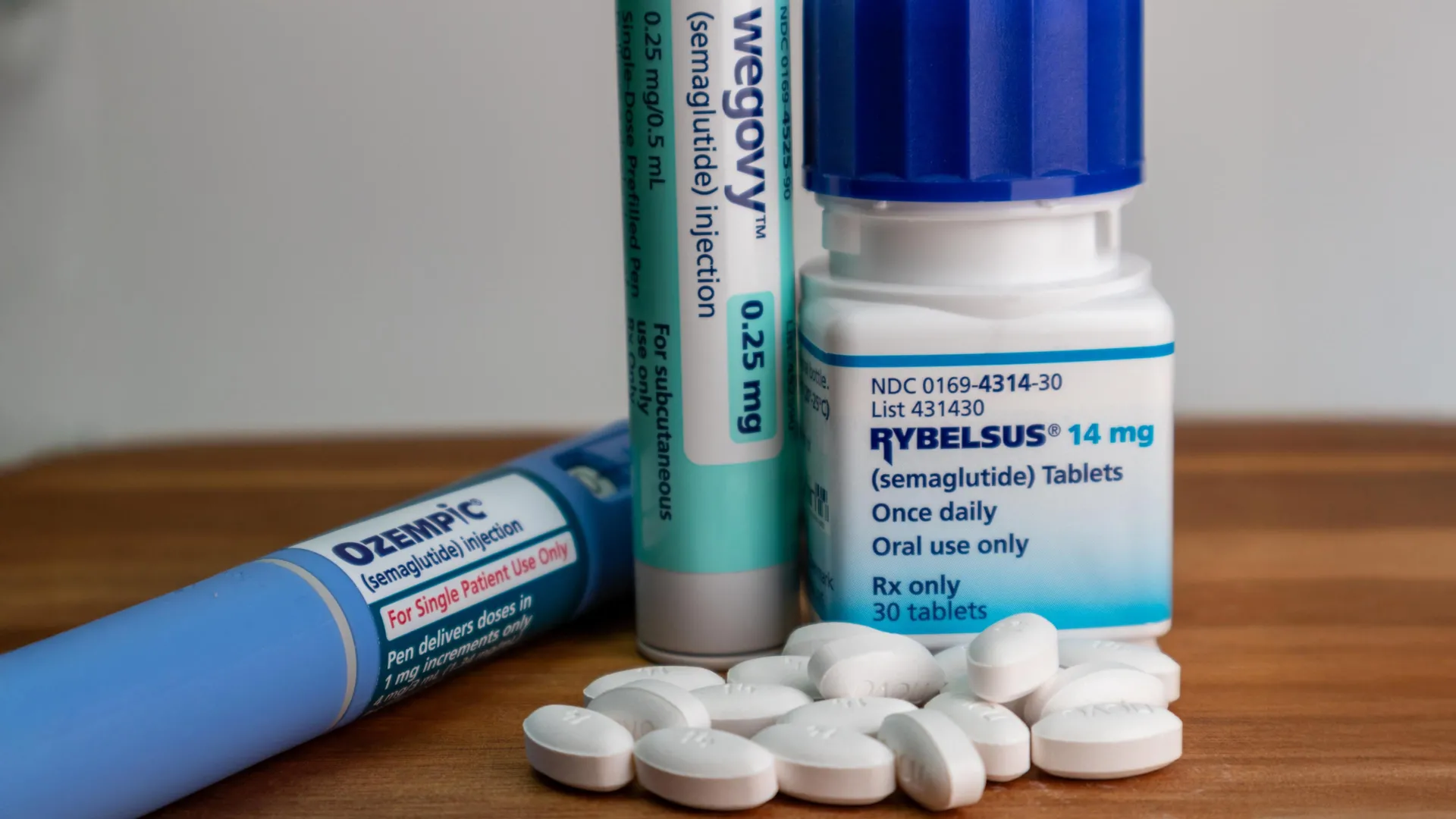
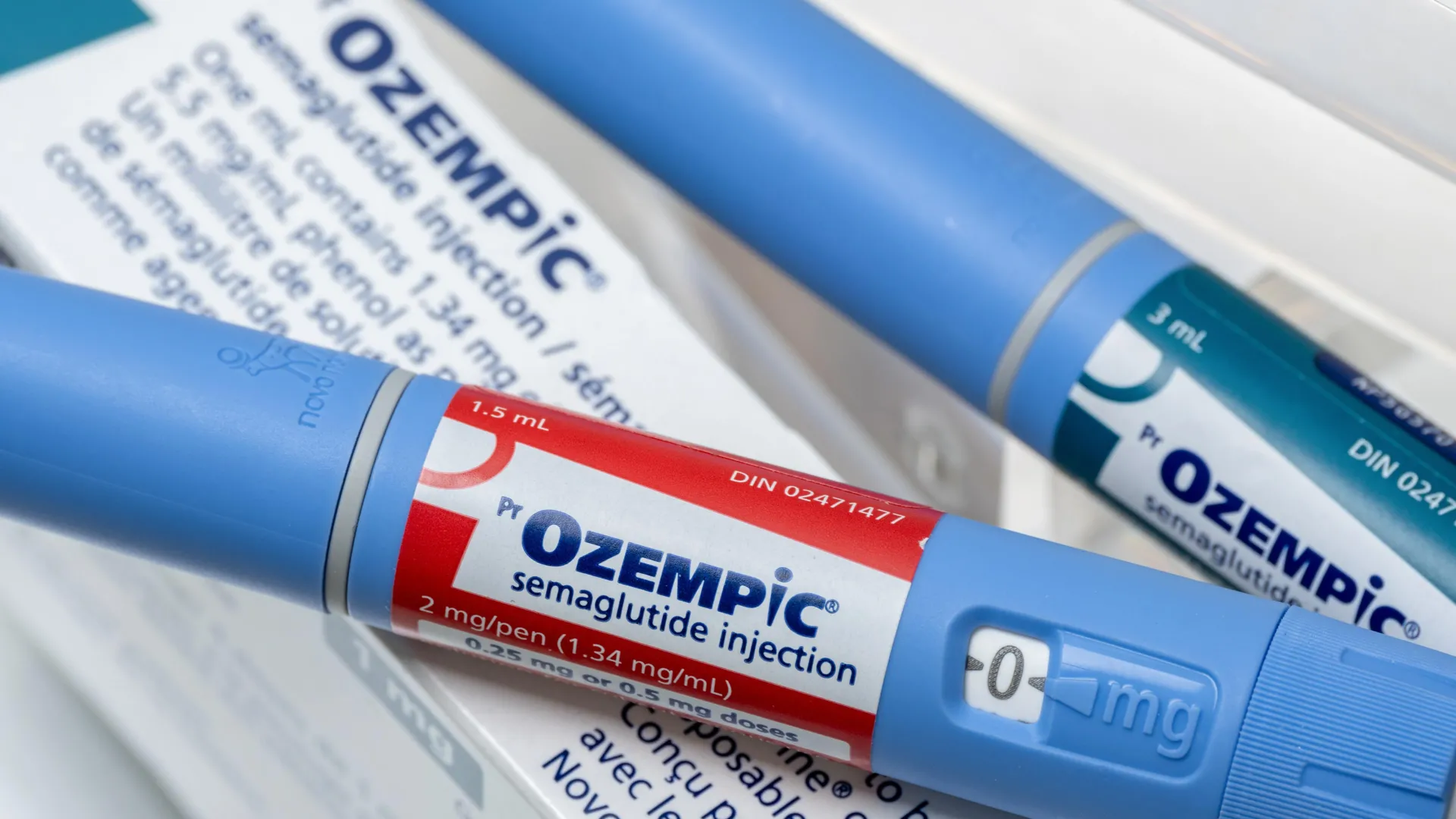
- Semaglutide poison control calls nearly doubled after mid-2021, jumping from a baseline of 1,000–1,500 annual GLP-1RA cases to over 8,000 by 2023, according to UT San Antonio researchers analyzing national poison center data.
- Jordan Miller, an undergraduate at UT San Antonio, led the study under mentor David Han alongside poison information specialist Robert S. Miller and South Texas Poison Center medical director Shawn M. Varney.
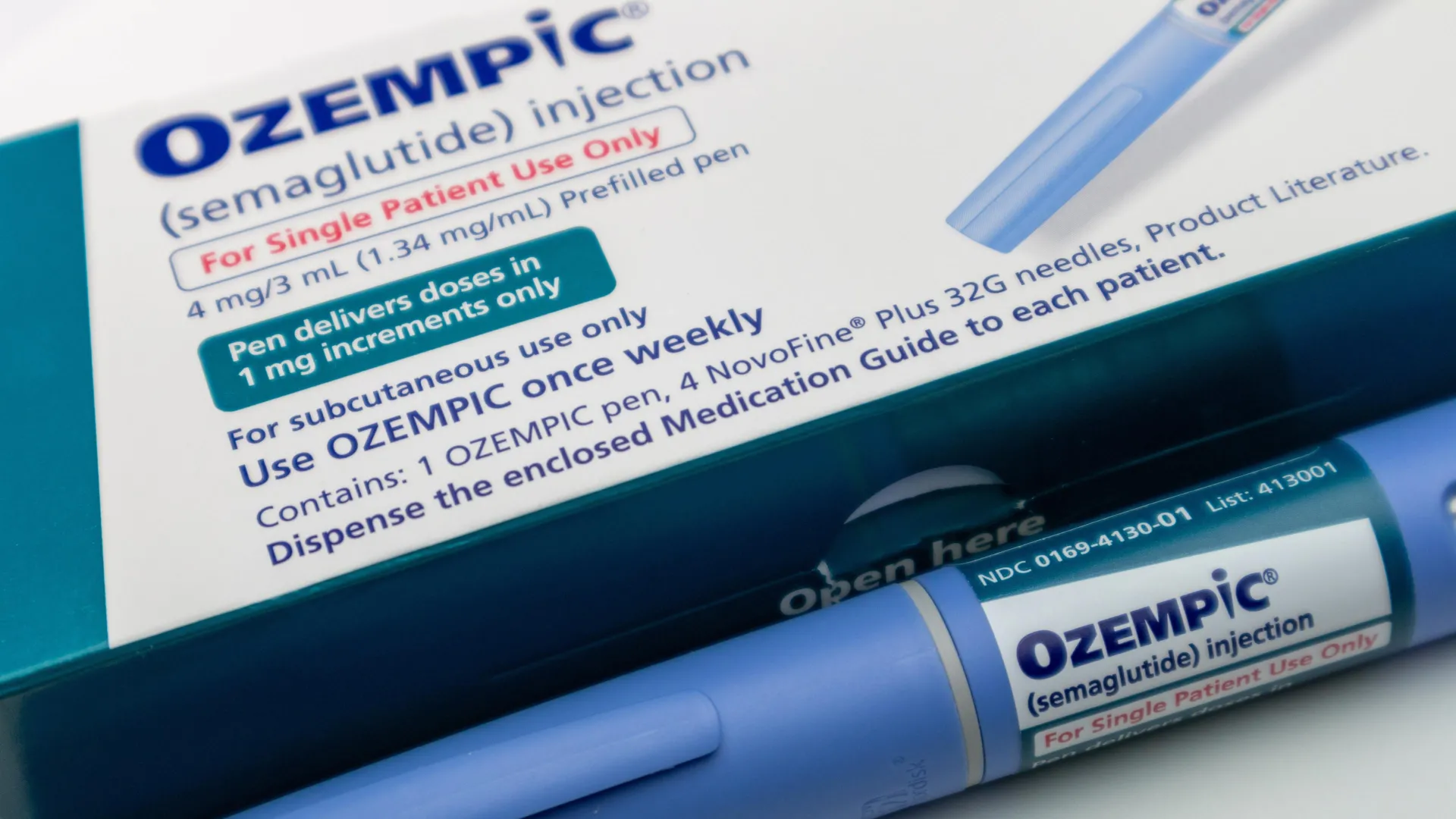
- Most of the surge stemmed from accidental dosing mistakes—patients injecting semaglutide daily instead of weekly, or starting at the maximum dose rather than ramping up gradually—rather than intentional misuse.
- Semaglutide stood out far above other GLP-1RA medications in poison center call volume, a dominance researcher Han said reflected the drug's media-driven popularity after its weight-loss approval.
- The researchers urged better patient education at the doctor's office and pharmacy counter to curb medication errors, noting the drug's long-term safety profile remains incompletely understood.
- The findings were published in the Journal of Medical Toxicology (2026) and featured as the cover story in Significance, the flagship magazine of the Royal Statistical Society and American Statistical Association.
Why it matters: The study pins roughly 8,000 poison control calls by 2023 to dosing confusion around a once-weekly injection—a preventable cost tied to mainstreaming the drug for weight loss. Prescribers, pharmacists, and manufacturers now face pressure to redesign patient onboarding before more errors reach toxicology centers.
Ask SkimNews