243M Gallons of Sewage, Jet Fuel Leak Taint Potomac — SkimNews
SkimNews Take
The combination of sewage and fuel leaks creates a complex remediation challenge, as the diverse chemical properties of the pollutants require distinct treatment approaches for effective removal.
Get the Energy newsletter
Daily energy & climate — solar, EVs, oil, the policy fights and tech bets shaping the transition. Free.
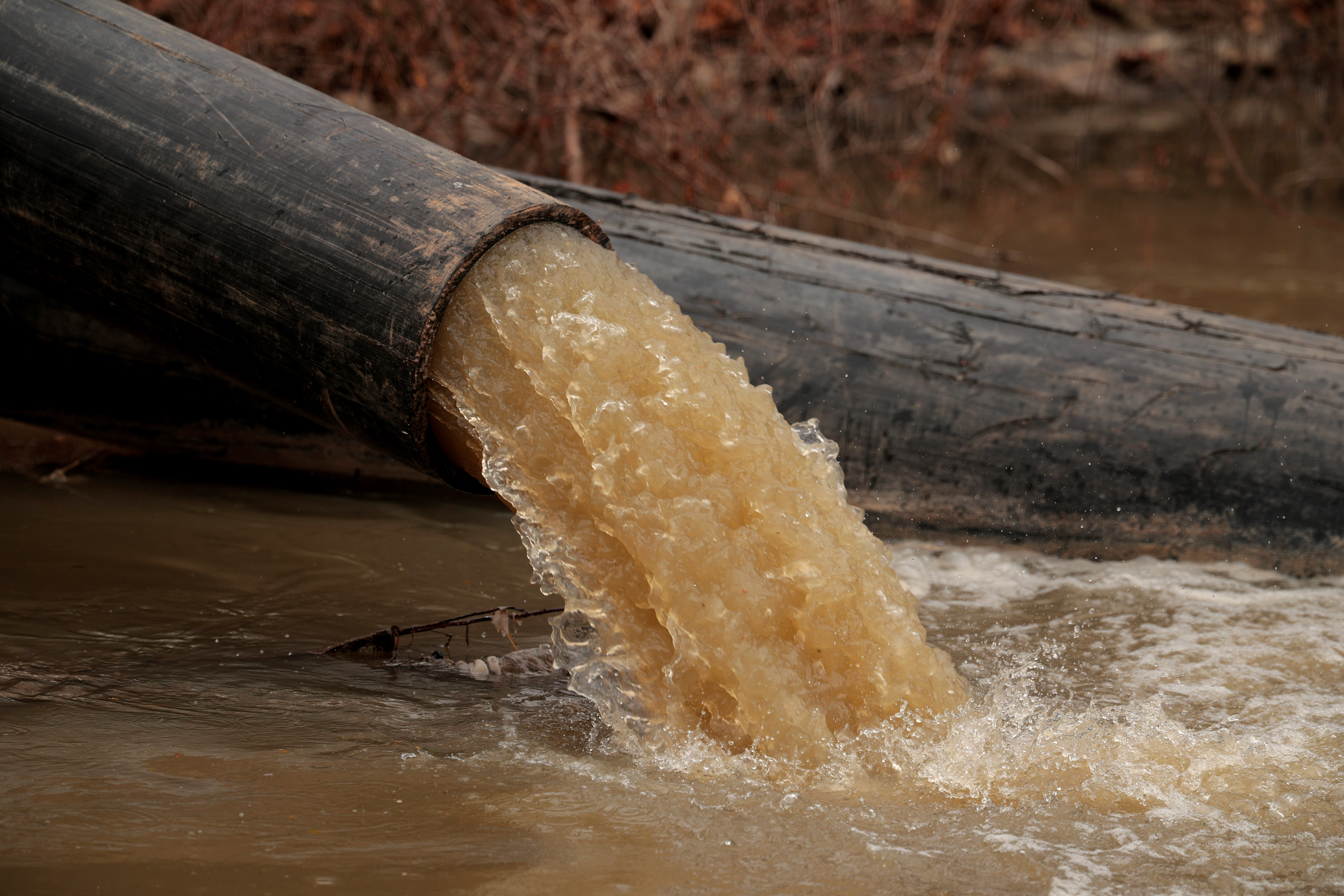
- Potomac Interceptor, a 60-year-old sewer pipe in Montgomery County, Maryland, collapsed in January and released an estimated 243 million gallons of raw sewage into the Potomac over approximately three weeks
- Joint Base Andrews experienced a fuel system failure on Dec. 11, 2025, leaking an estimated 32,000 gallons of jet fuel, of which 22,000 gallons entered the environment — and the Maryland Department of the Environment was not notified until March 23, 2026
- Piscataway Creek contained the highest PFAS levels in any fish in any Maryland stream, with one sunfish registering levels 1.4 million times higher than the EPA's safe drinking water standard, linked to the military's use of firefighting foam laced with forever chemicals
- American Rivers, a conservation nonprofit, named the Potomac the most endangered river in the country in April 2026, citing both the sewage spill and the rapid expansion of data centers
- A $2.7 million federal allocation for remediation at Joint Base Andrews was eliminated at the start of the second Trump administration, according to Potomac Riverkeeper Network investigator Dean Naujoks
- Subsistence fishing families along Piscataway Creek — described by Naujoks as poor Black, Latino, Korean, and Asian households — were largely unaware of a 2023 fish consumption advisory, with no signs posted at the shoreline
Why it matters: The Potomac supplies drinking water to over 5 million people, but the contamination burden falls hardest on Prince George's and Charles county subsistence fishing families fishing without knowledge of unposted health advisories. The three-month delay between Joint Base Andrews' fuel leak and state notification, plus elimination of a $2.7 million cleanup allocation, tests whether federal accountability mechanisms function for communities already overburdened by contamination.
Ask SkimNews