Japan deploys 1,400 troops, Type 88 missiles to Balikatan — SkimNews

Get the Geopolitics newsletter
Daily geopolitics — wars, elections, sanctions, the diplomatic moves that move markets. Free.
- Japan will send ~1,400 combat troops to the April 20–May 8 Balikatan exercises — the largest yet with over 17,000 troops — marking its first active participation and first combat troop deployment to Philippine soil since WWII, under the reciprocal access agreement that took effect in 2024.
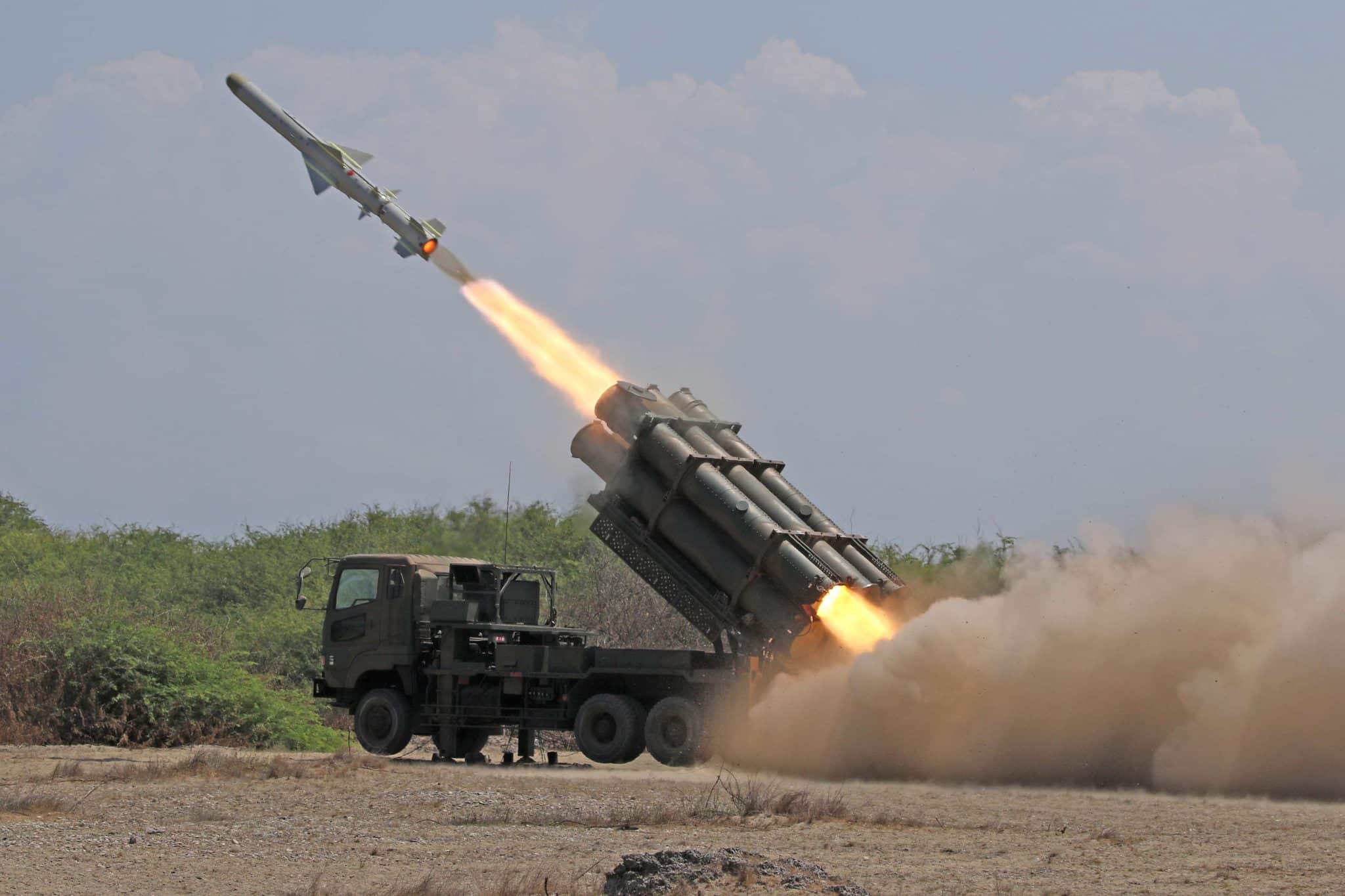
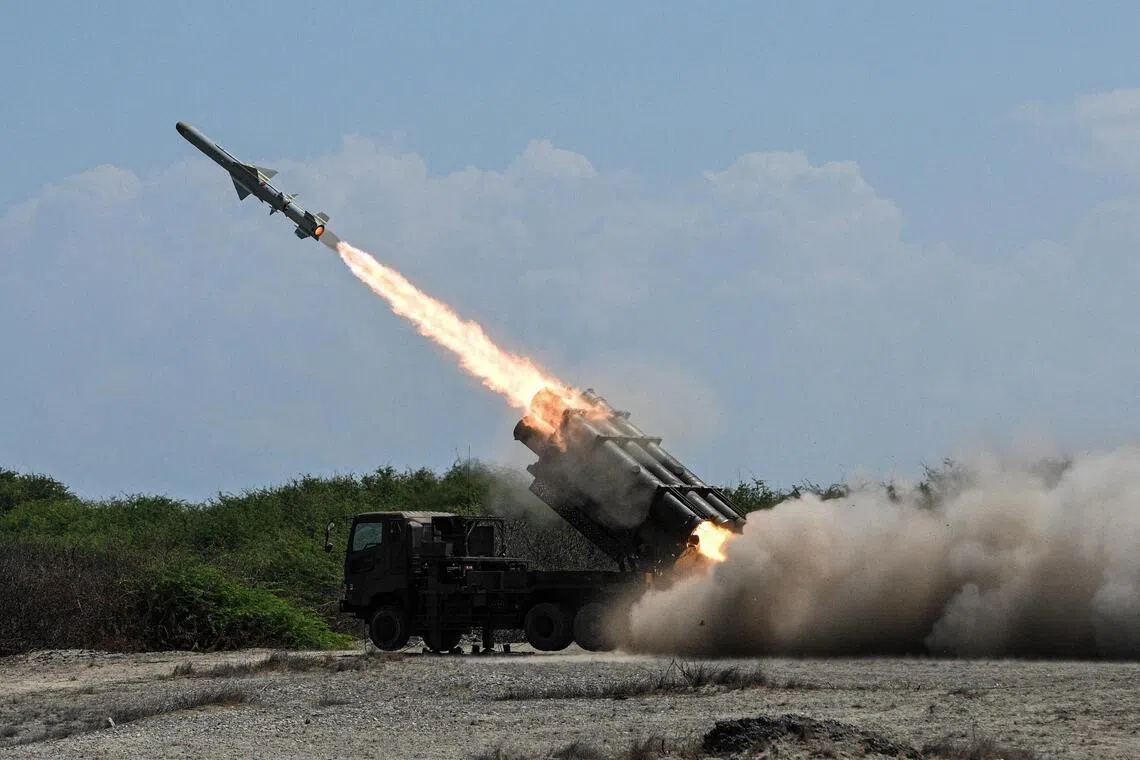
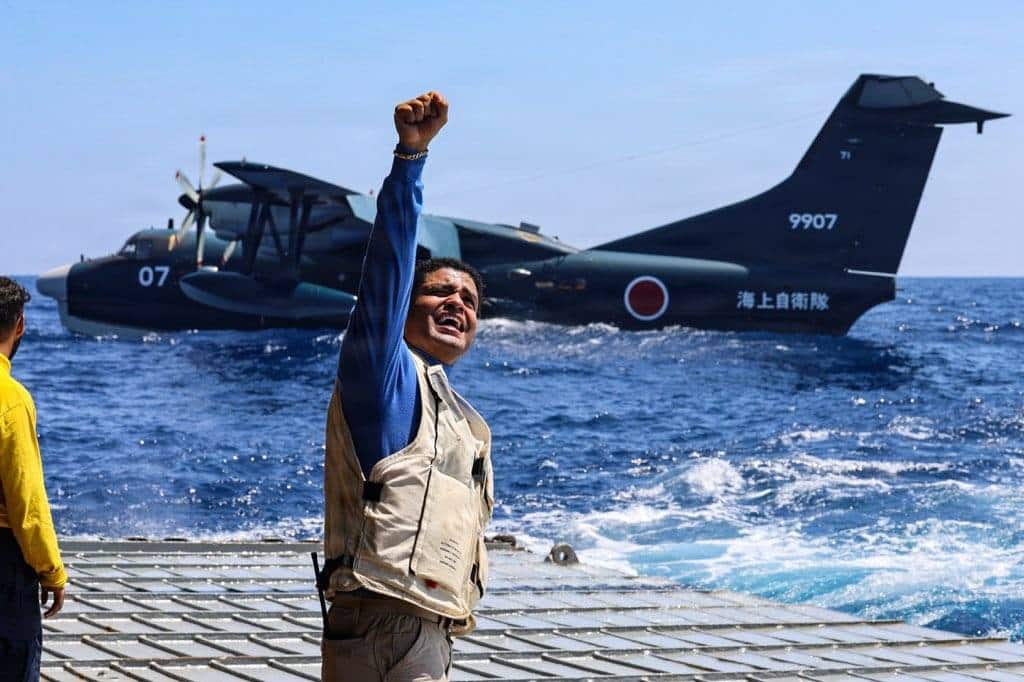
- The Type 88 surface-to-ship missile, with a range of ~100 km, will be used in a maritime strike exercise sinking a decommissioned vessel near the South China Sea and Taiwan; Japan will also deploy the helicopter destroyer JS Ise, destroyer JDS Ikazuchi, landing ship JS Shimokita, and C-130H and US-2 aircraft.
- France is scaling down its participation, citing a shift in deployment due to the Middle East crisis, while the US has yet to detail new weaponry though Tomahawk missiles are described as a 'potential' option.
- The Philippines, US, and Japan ran joint drills near the Bashi Channel in February, the strategic waterway between Manila and Taipei, as the three allies shore up deterrence around Taiwan, which China claims as its territory.
- Australia, Canada, France, and New Zealand will send combat troops alongside the Philippines and US, with 17 additional countries joining as observers.
Why it matters: Japan's first combat troop deployment to the Philippines since WWII, combined with live Type 88 missile strikes near the South China Sea and Taiwan, materially expands the operational footprint of the US-Japan-Philippines alliance along the First Island Chain. The 2024 reciprocal access agreement is now tested under live conditions, while France's pullback exposes how Middle East demands are thinning allied bandwidth.
Ask SkimNews