PCE Inflation Surges to 3.5% as Iran War Lifts Gas Prices — SkimNews
Get the Finance newsletter
Daily finance — markets, central banks, M&A, the prints that move money. Free.
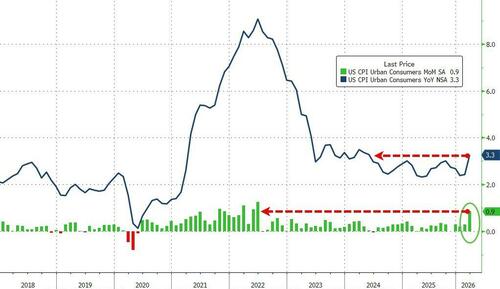
- PCE price index jumped 0.7% in March, the largest monthly increase since mid-2022, pushing the yearly inflation rate to 3.5% from 2.8% — the highest level since the spring of 2023.
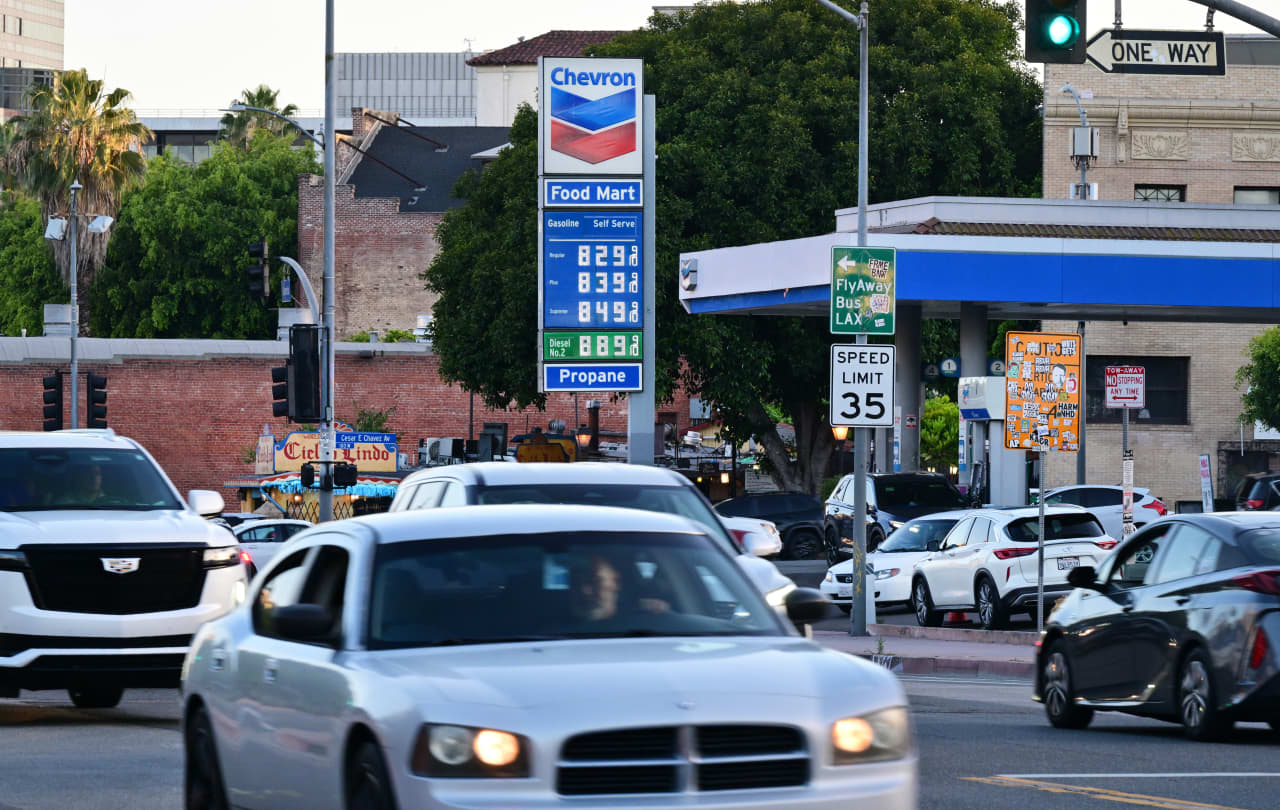
- Iran war was blamed as the primary driver of the surge, with higher gas prices behind most of the increase; oil prices spiked again this week as the US-Iran stalemate over ending the conflict dragged on.
- Three Fed voters broke with the committee's bias toward easing interest rates — an unusually public split — calling instead for a shift to a neutral stance where the next move could be a cut or a hike.
- Outgoing Chair Jerome Powell said a majority of the 12 rate-setting voters could take that neutral step at the June meeting, which would be the first chaired by Kevin Warsh, Trump's nominee to replace him.
- Core PCE (excluding food and energy) rose a more moderate 0.3% in March, with its annual rate climbing to 3.2% from 3.0% — still well above the Fed's 2% target.
- Consumer spending rose 0.9% in March, but higher prices accounted for the lion's share of the gain, while incomes rose just 0.6%, failing to keep pace with monthly inflation.
Why it matters: With annual inflation at 3.5% — far above the 2% target — and three FOMC members publicly dissenting against the rate-cut bias, incoming Chair Kevin Warsh inherits a divided committee that faces little room to ease. American households took a direct hit as 0.6% income growth trailed the 0.7% monthly inflation jump, and with oil surging again on the Iran stalemate, the path back to 2% just got longer.
Ask SkimNews