Key inflation gauge remains elevated during Iran war and ongoing US trade fights — SkimNews
Get the Geopolitics newsletter
Daily geopolitics — wars, elections, sanctions, the diplomatic moves that move markets. Free.
- PCE inflation held at 3.7% year-over-year in July, unchanged from June and well above the Fed's 2% target, having worsened from 2.9% before the U.S.-Israel attack on Iran in late February.
- Core inflation stayed at 3.3% in July — down from 2.6% before President Trump's sweeping April 2025 tariffs — with overall prices up 0.2% month-over-month after a 0.1% June decline.
- The Commerce Department plans to revise how it prices financial advice, software, and computer accessories starting with next month's report, with economists forecasting the changes will cut annual PCE inflation by roughly 0.2 percentage points.
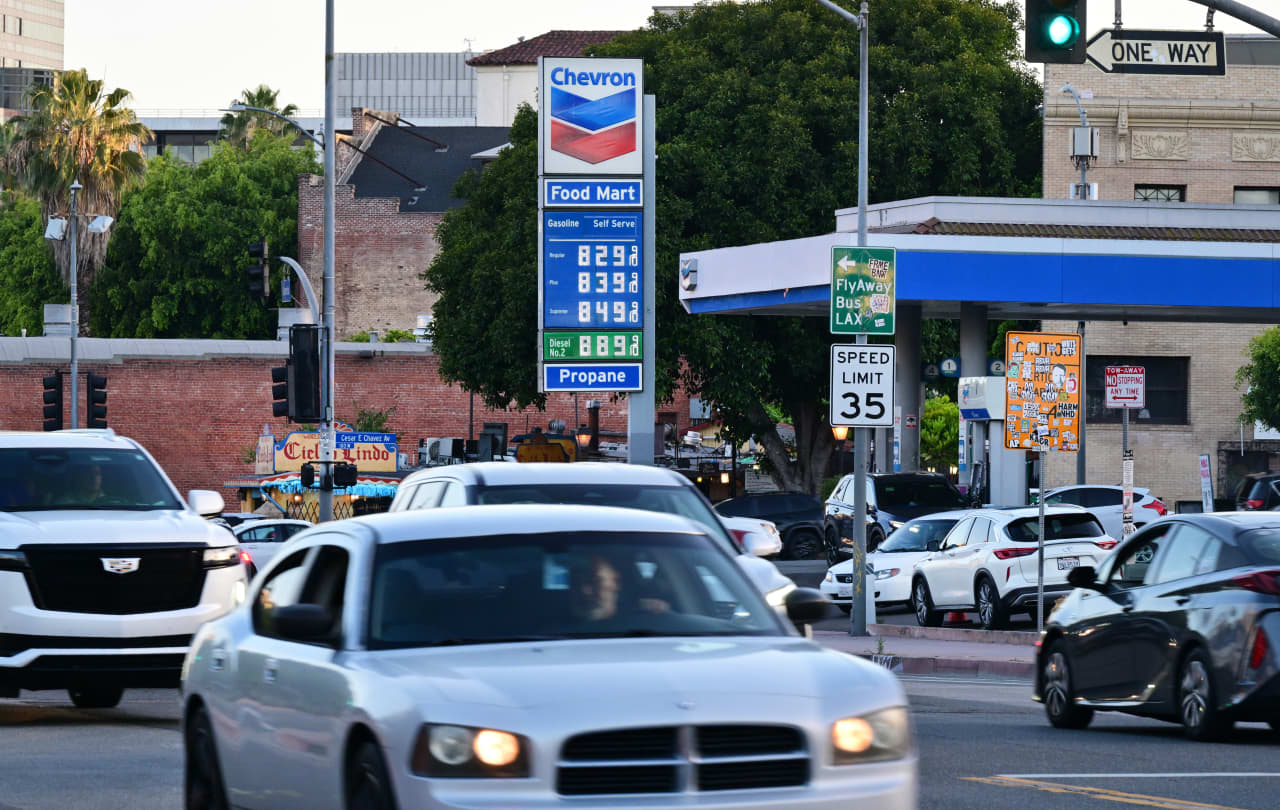
- Inflation-adjusted incomes rose just 0.2% year-over-year in July after several months of decline, while AAA reported gas prices rebounded to $4.10 per gallon nationally overnight — a level that will likely flow into August's report.
- The U.S. economy grew only 1.5% in Q2 as much of a robust jump in business investment (especially AI infrastructure) flowed into imports, and inflation-adjusted consumer spending was flat in July.
- The Federal Reserve remains split, with most officials preferring to hold rates steady while others back hikes; new Chair Kevin Warsh will deliver a closely watched Jackson Hole speech Friday.
- Treasury Secretary Scott Bessent announced the department will double its buybacks of 10- to 30-year bonds starting next month after the 30-year yield briefly hit a 19-year high, an intervention that initially did little to lower yields.
Why it matters: With gas already back to $4.10 per gallon, August's PCE reading is likely to print hotter — sharpening the Fed's rate-path debate just as markets are looking to Kevin Warsh's Jackson Hole debut for a signal. Bessent's emergency doubling of long-bond buybacks after the 30-year yield hit a 19-year high is the clearest sign yet that inflation stickiness is now spilling into fiscal markets, lifting mortgage, auto-loan, and credit-card borrowing costs.
Ask SkimNews