US Sanctions Bill Tests India's Russian Oil Lifeline — SkimNews

Get the Geopolitics newsletter
Daily geopolitics — wars, elections, sanctions, the diplomatic moves that move markets. Free.
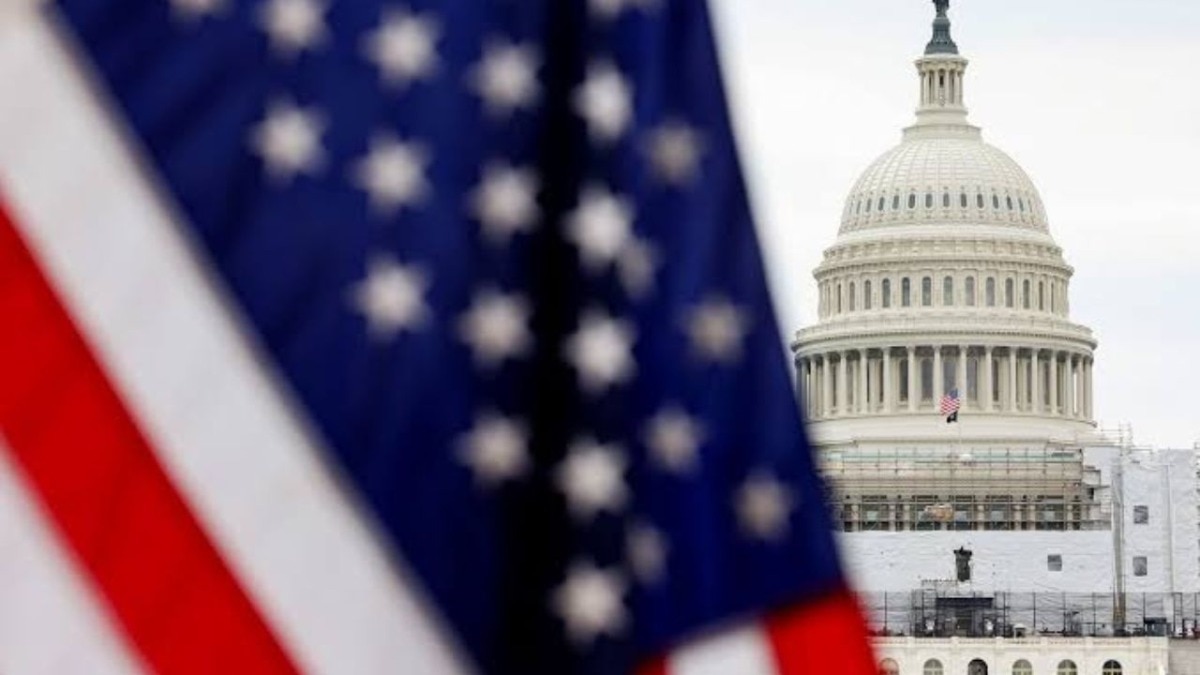
- The U.S. House passed the Lindsey O. Graham Sanctioning Russia and Iran Act on September 16 by a 262-159 vote, after the Senate had approved it August 7, leaving the bill awaiting only President Trump's signature.
- The legislation authorizes tariffs of up to 100% on exports from the top five purchasers of Russian oil or natural gas, with exceptions for countries importing less than 15% of their gas from Russia that are taking "significant" steps to reduce imports.
- China and India are most exposed as Russia's top two crude customers, accounting for 50% and 37% of Russia's total crude exports respectively between December 2022 and August 2026.
- India's Ministry of External Affairs softened its diplomatic tone compared to last year, dropping the phrase "national interest" from its earlier response and substituting "trade and economic interests" in its latest statement.
- Reliance Industries, owner of the world's largest oil refining hub, suspended Russian crude imports in November 2025 but resumed purchases by December 2025 — a pattern of retreat-and-return repeated by state-controlled refiners.
- By July 2026, India's Russian crude imports hit a record high for the second consecutive month, totaling $40.8 billion in FY 2026 (30.3% of all crude imports), with 53% of volumes transported via shadow sanctions.
- Preliminary September 2026 data from Kpler shows India's Russian crude imports already running about 30% below the August average of 2.1 million barrels per day as the tariff threat materializes.
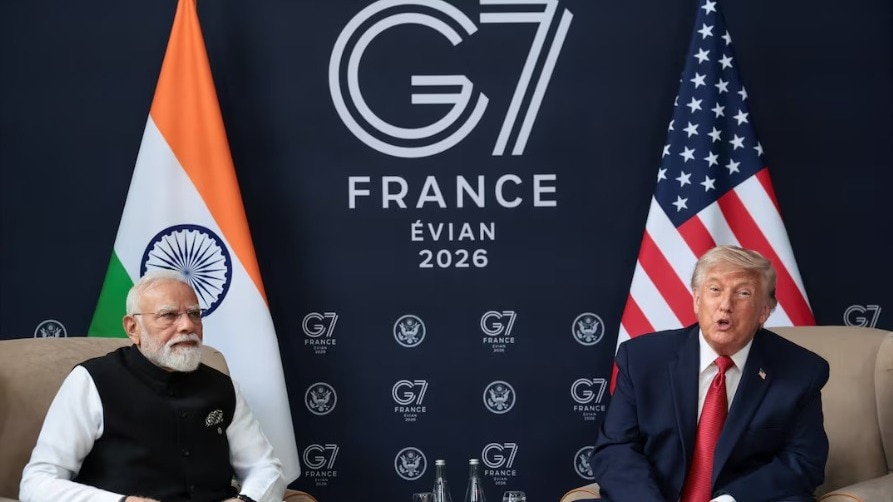
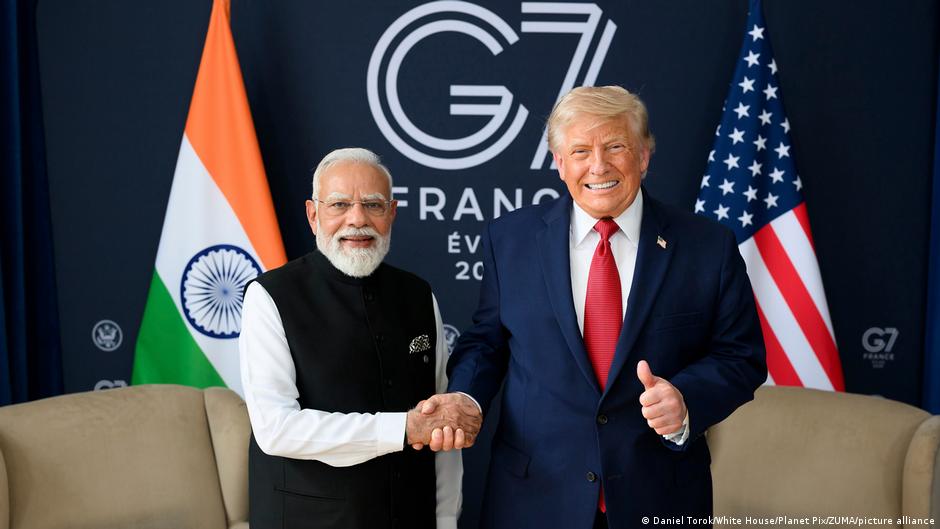
Why it matters: India, the world's second-largest Russian crude buyer at 37% of Russia's exports, faces a genuine bind: caving to U.S. pressure risks higher import bills and damaging ties with its "all-weather friend" Russia, while standing firm invites 100% tariffs on exports to the American market. The narrowest exit is the bill's presidential national-interest waiver, which New Delhi could potentially leverage in ongoing free trade negotiations with Washington.
Ask SkimNews