US tariffs against Russian oil buyers pass: What it means for China, India — SkimNews

Get the Geopolitics newsletter
Daily geopolitics — wars, elections, sanctions, the diplomatic moves that move markets. Free.
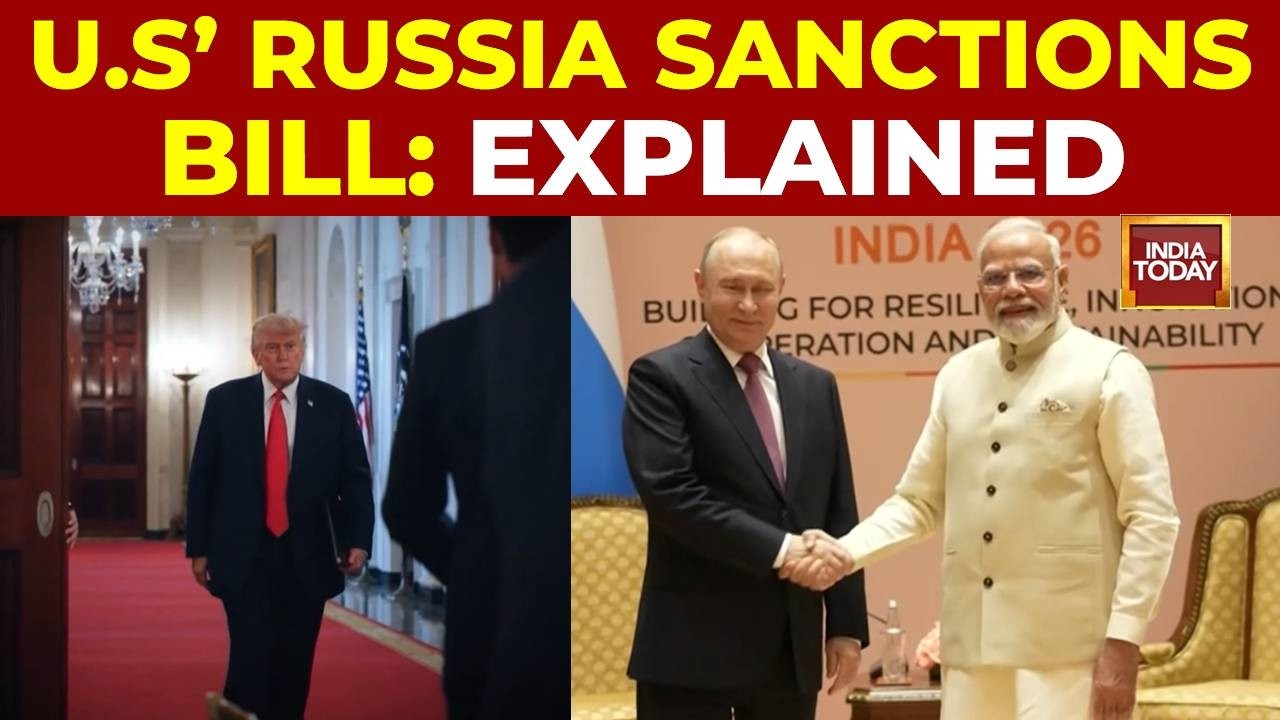
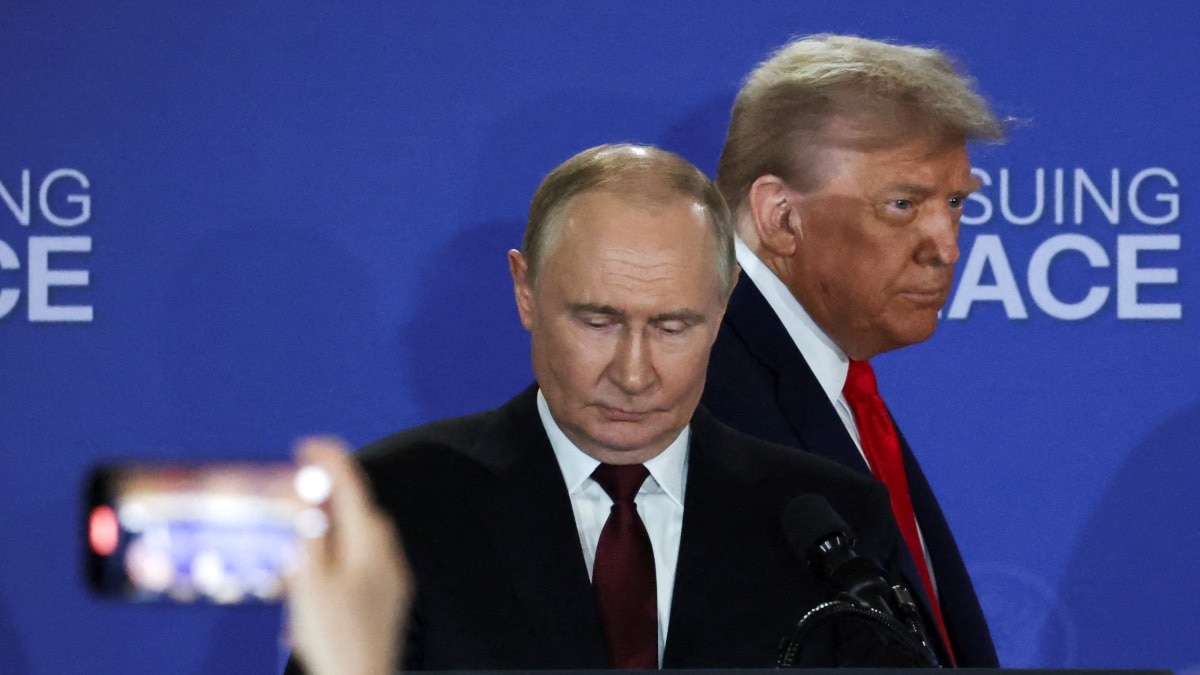
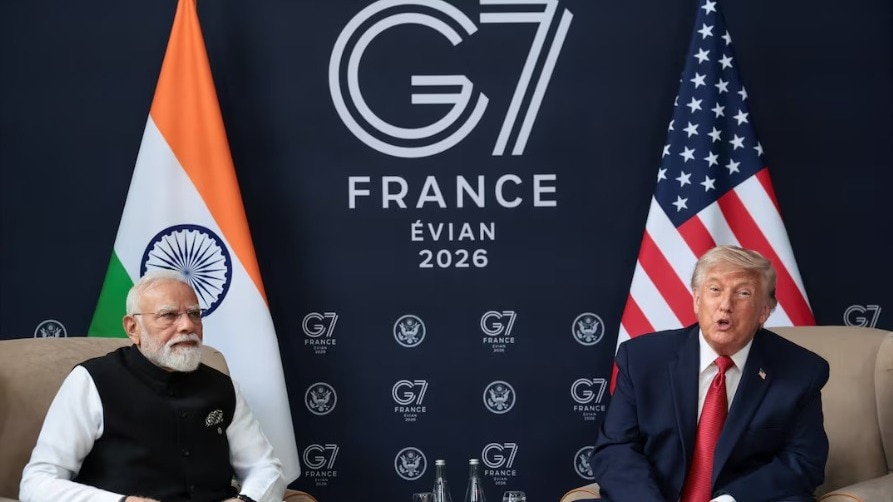
- The US House of Representatives passed the "Lindsey O Graham Sanctioning Russia Act of 2026" on Wednesday, granting President Trump authority under the International Emergency Economic Powers Act to impose tariffs of up to 100% on exports from the top five purchasers of Russian energy.
- The legislation also allows tariffs of up to 500% on Russian imports directly into the US, and sanctions Russian President Vladimir Putin, over 20 top officials and companies tied to Russia's defense industry, plus Russia's "shadow fleet" of sanction-evading oil tankers.
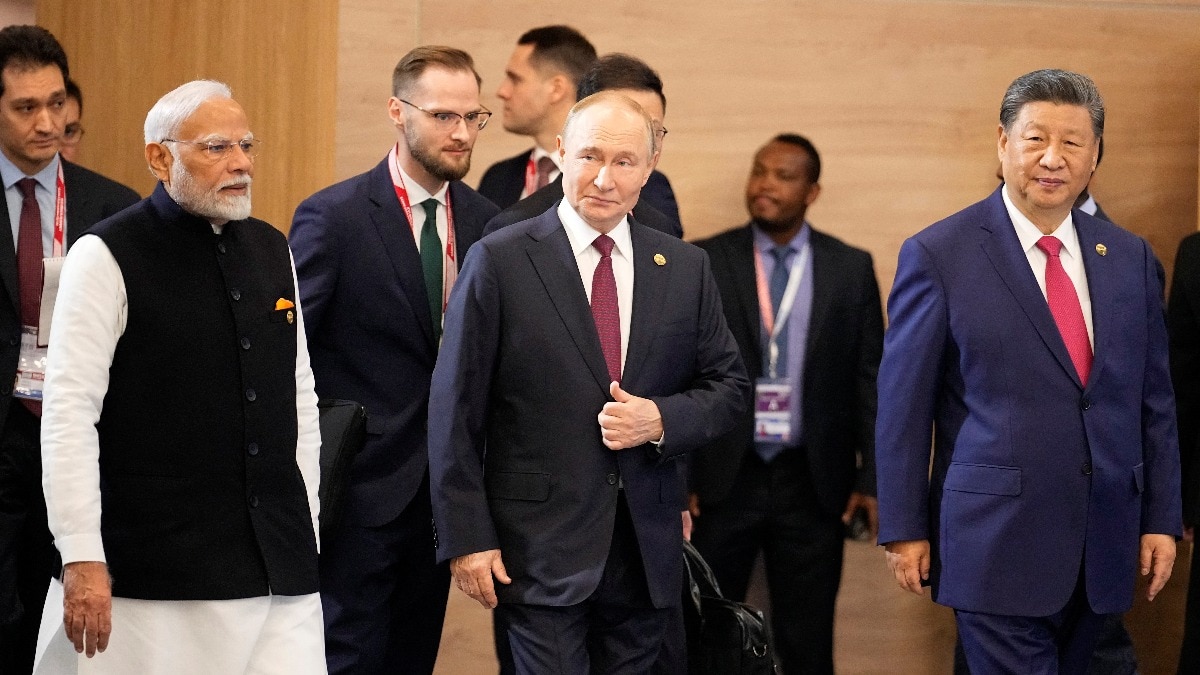
- China and India are the dominant Russian crude buyers, purchasing roughly 50% and 37% respectively according to August data from the Centre for Research on Energy and Clean Air, with Turkey and the EU taking about 5% each.
- India's Ministry of External Affairs said New Delhi had "very clearly articulated" potential implications for the bilateral relationship and pledged to protect its trade interests; tanker-tracking data show Indian Russian crude imports already fell to 1.1 million bpd in January, down from a 2025 average of 1.7 million bpd, while Chinese imports surged to an all-time high.
- China's foreign ministry spokesperson Guo Jiakun rejected the bill, saying Beijing "systematically opposes extraterritorial jurisdiction" and that its energy trade is "not subject to interference or coercion by third parties"; China also has an overland supply advantage via the Eastern Siberia-Pacific Ocean pipeline that bypasses sea-route disruptions.
- The oil market calculus is compounded because Iran has de facto controlled the Strait of Hormuz since late February — a waterway that previously shipped about one-fifth of global oil — and Saudi Arabia temporarily shut its East-West pipeline after a drone attack, already forcing Riyadh to cancel deliveries to European customers.
- Analysts cited in the article warn that if the new tariffs push China and India to sharply cut Russian crude purchases simultaneously, they would compete for barrels elsewhere in an already tight market, potentially driving global oil prices sharply higher.
Why it matters: The bill hands Trump discretionary leverage over the two countries that absorb roughly 87% of Russian crude, and the source flags that even partial success could backfire: with Hormuz traffic disrupted and Saudi pipeline flows impaired, redirecting Chinese and Indian buyers away from Russian oil could tighten an already squeezed global market and spike prices. India has already proven responsive to Western pressure, but China, which has a pipeline alternative and just hit a record for Russian imports, looks far harder to move.
Ask SkimNews