NJ BPU proposes two-year VPP program open to batteries — SkimNews
Get the Energy newsletter
Daily energy & climate — solar, EVs, oil, the policy fights and tech bets shaping the transition. Free.
- NJ Board of Public Utilities released a straw proposal July 15 for a two-year, technology-neutral VPP program allowing customer-sited batteries and other DERs, administered by NJ's four electric distribution companies and beginning no later than July 1, 2027.
- The program would transition to a market-based, open-access VPP tariff from 2029 onward, letting batteries and other DERs stack distribution-level grid service payments with PJM Interconnection wholesale market revenues.
- The proposal fulfills Executive Order No. 2 from Gov. Mikie Sherrill, which directed BPU to develop a VPP program within 180 days and enable DERs to participate "to the fullest extent possible" in the PJM capacity market.
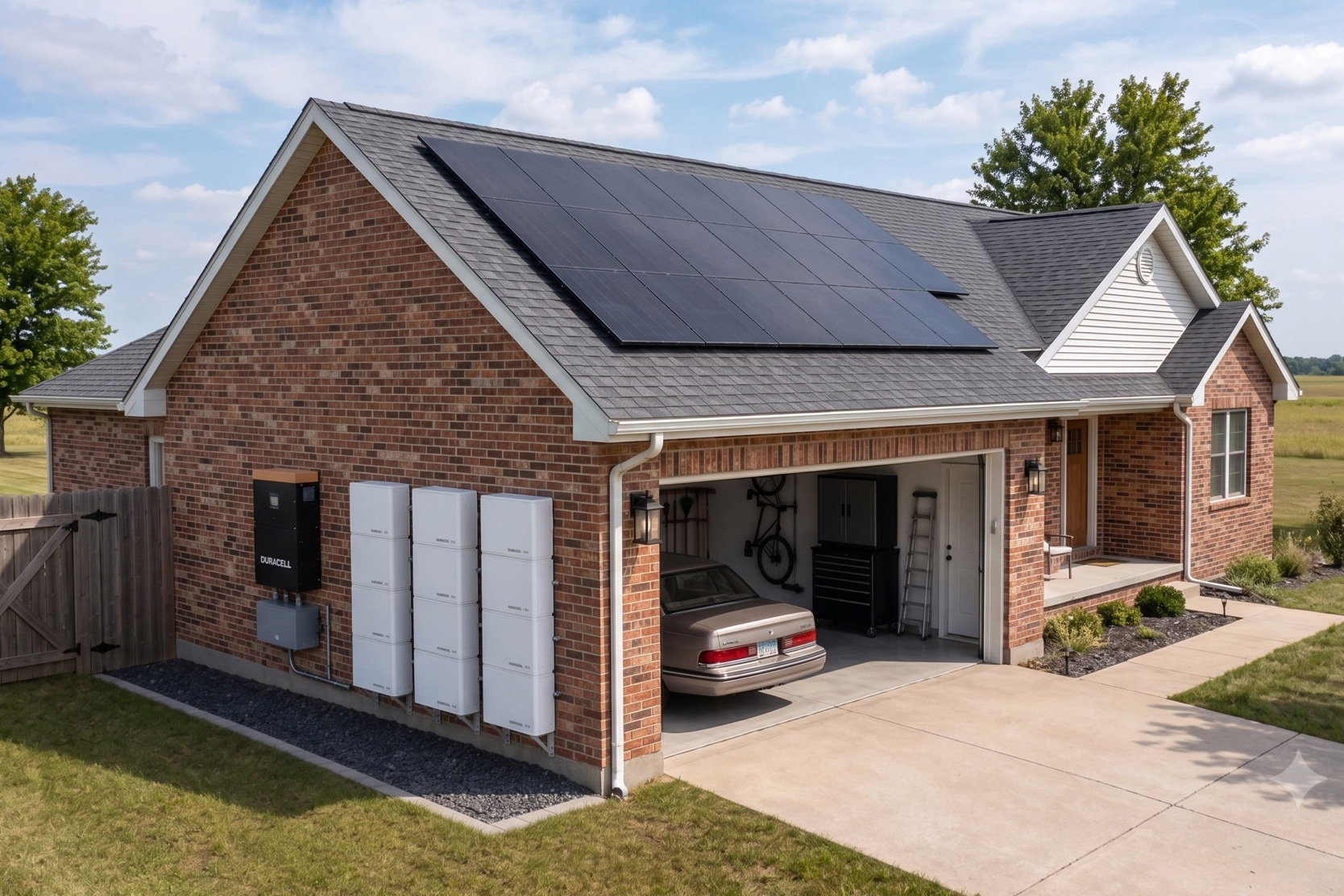
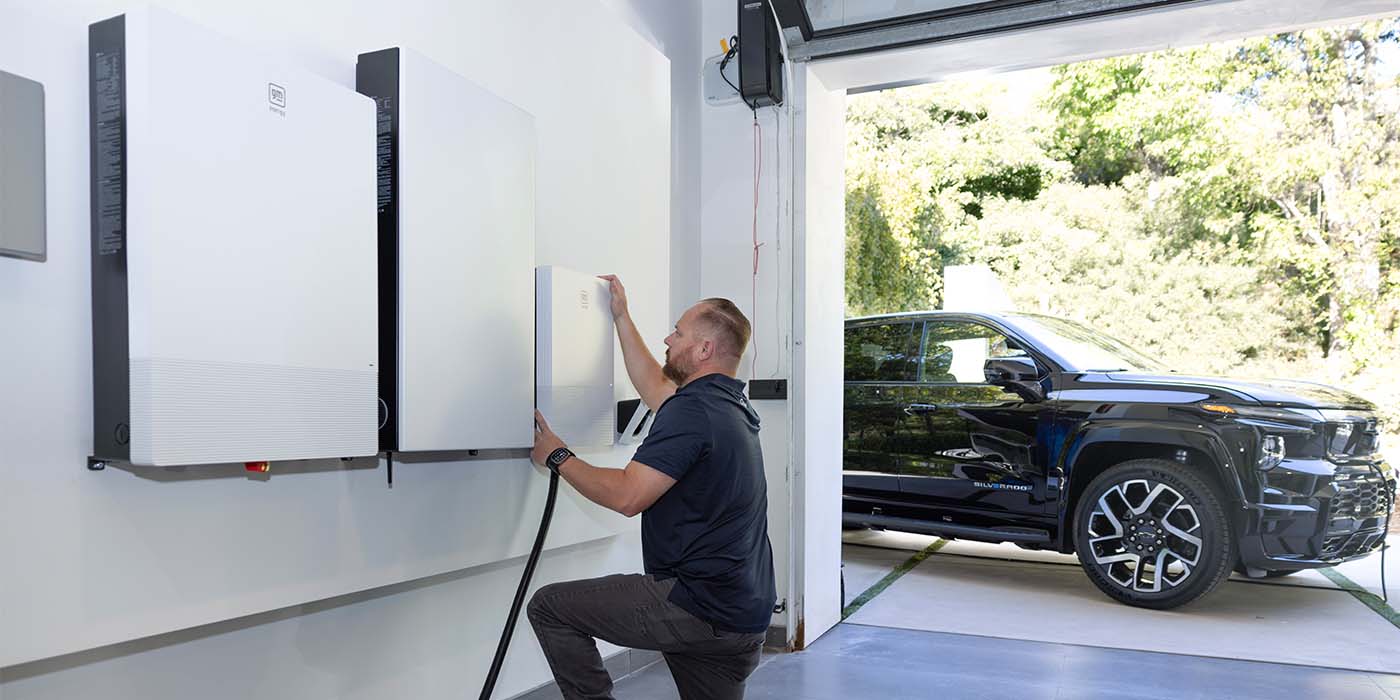
- PSE&G plans to roll out a VPP program offering about $5,000 upfront for an 8-kW home battery with on-bill repayment for the remaining balance; planning manager Tim Fagan said "several thousand" small-scale batteries are already deployed in NJ by resilience-minded customers.
- Pepco Holdings' Delaware "bring your own battery" pilot enrolls 100-to-300 devices paying roughly $1,080 per year via direct deposit; PHI is weighing whether to bring the model to its Atlantic City Electric customers in NJ.
- PSE&G's Fagan urged NJ to allow electric distribution companies to own energy storage as a backstop for congested distribution circuits, citing utility-owned storage examples in Massachusetts, New York, Maryland, Hawai'i, and Minnesota.
Why it matters: Residential battery owners could earn recurring payments like the roughly $1,080/year PHI pays in its Delaware pilot, while third-party aggregators gain open-access entry from 2029 — a shift that repositions NJ utilities as VPP administrators and could pull the "several thousand" small-scale batteries PSE&G says are already deployed in NJ into PJM grid services.
Ask SkimNews