New Jersey Awards 355 MW in Battery Storage Incentives — SkimNews
Get the Energy newsletter
Daily energy & climate — solar, EVs, oil, the policy fights and tech bets shaping the transition. Free.
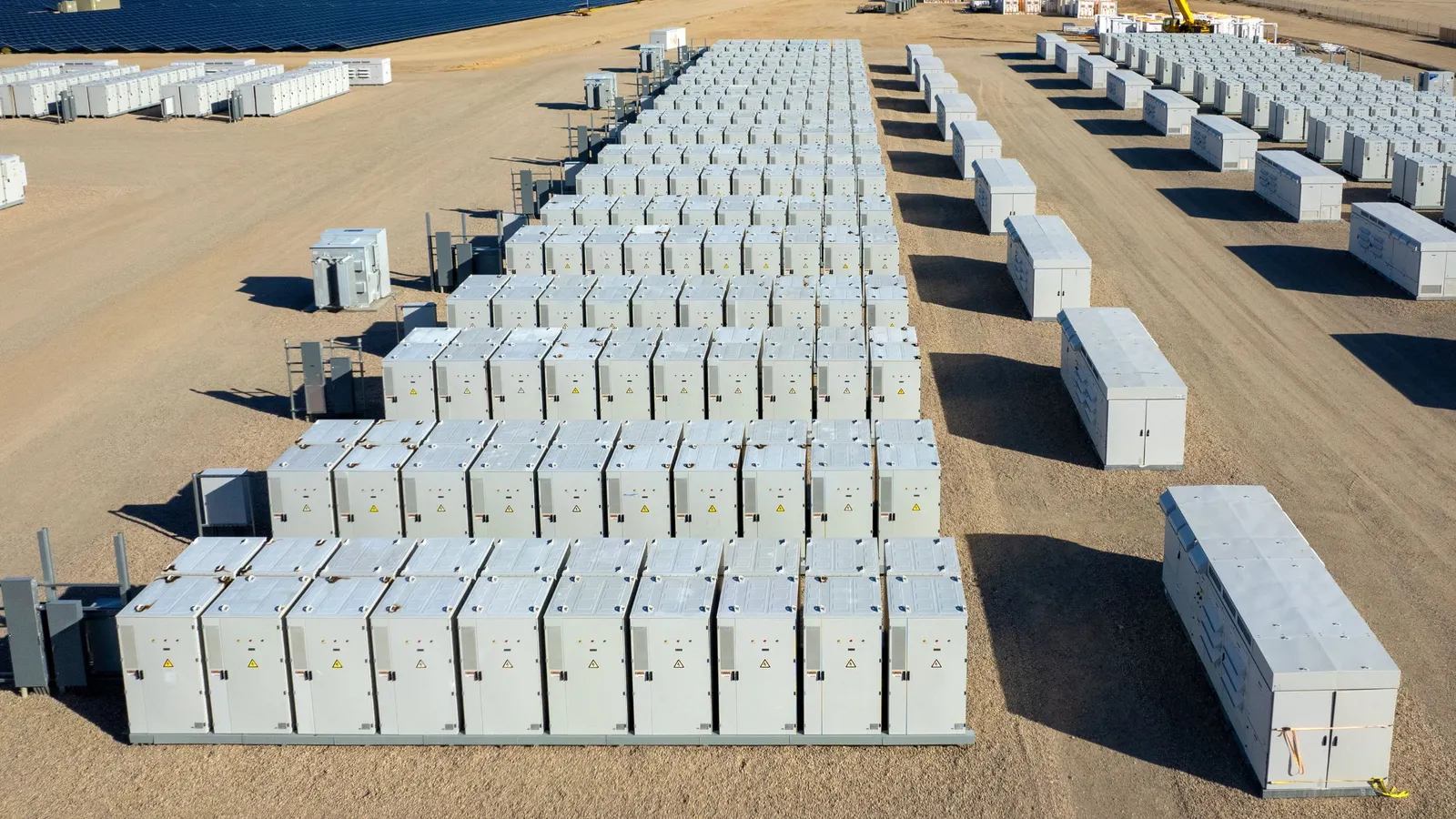
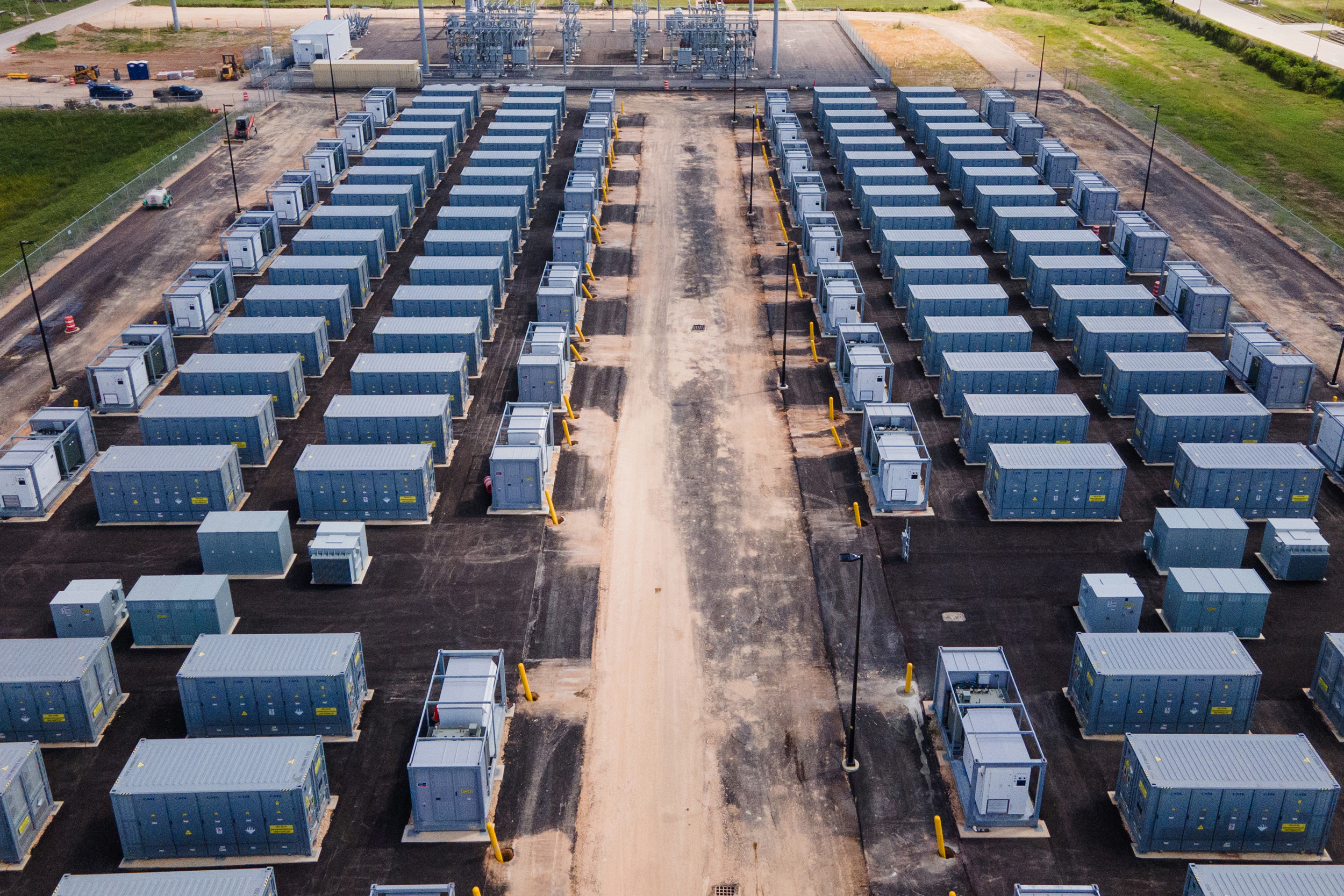
- New Jersey Board of Public Utilities awarded incentives to three battery storage projects totaling 355 MW under the Garden State Energy Storage Program (GSESP), its biggest such awards to date, with each project expected to be operational in roughly 2.5 years.
- The three winners are Woods Landing Storage (200 MW in Sayreville), Two Rivers Energy Storage (150 MW in Ridgefield), and North America Energy Storage Corp (5 MW in Bordentown), collectively expected to generate more than $169 million in savings for ratepayers over the program's life.
- Jupiter Power, a Texas-based developer, is building the flagship 200 MW Woods Landing project on a former coal plant site in Sayreville, where it will reuse existing transmission infrastructure — a model NRDC's Eric Miller called "amazing environment-friendly, climate-friendly, smart energy redevelopment."
- BPU Deputy Director Katharine Perry said the state is "a little bit more insulated" from federal turbulence because storage tax credits remain available, even as the second Trump administration's tax-credit phaseout pressures solar and a virtual ban halts offshore wind.
- Combined incentives could total $27.576 million annually — roughly $413.6 million over 15 years — funded through New Jersey's existing Societal Benefits Charge on ratepayer energy bills, not new charges.
- Governor Mikie Sherrill declared a state of emergency on utility costs in her early executive orders, froze residential supply rate increases, directed bill credits, and ordered the BPU to move quickly on expanding solar and battery storage.
- The BPU has already opened a second-round solicitation for an additional 645 MW of capacity, even as state regulators attribute last summer's 17-to-20-percent electricity price spike to a PJM Interconnection supply crunch driven largely by data center demand.
Why it matters: New Jersey ratepayers, who absorbed a 17-to-20-percent electricity price spike last summer, are funding a roughly $413.6 million, 15-year bet that fast-build battery storage can outrun the PJM supply crunch driven largely by data center demand. With solar and offshore wind effectively sidelined by federal policy, the BPU is redirecting clean-energy dollars to the one technology that can deploy within about 2.5 years and start easing bills by 2029.
Ask SkimNews