The US added a record 20.2 GWh of battery storage in just 3 months — SkimNews
Get the Energy newsletter
Daily energy & climate — solar, EVs, oil, the policy fights and tech bets shaping the transition. Free.
- US battery storage added a record 20.2 GWh in Q2 2026, bringing H1 2026 totals to 30.8 GWh (up 23% YoY), according to the Solar Energy Industries Association and Benchmark Mineral Intelligence.
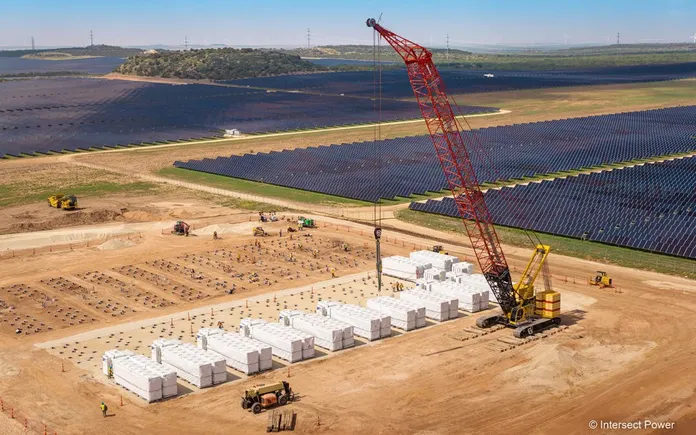
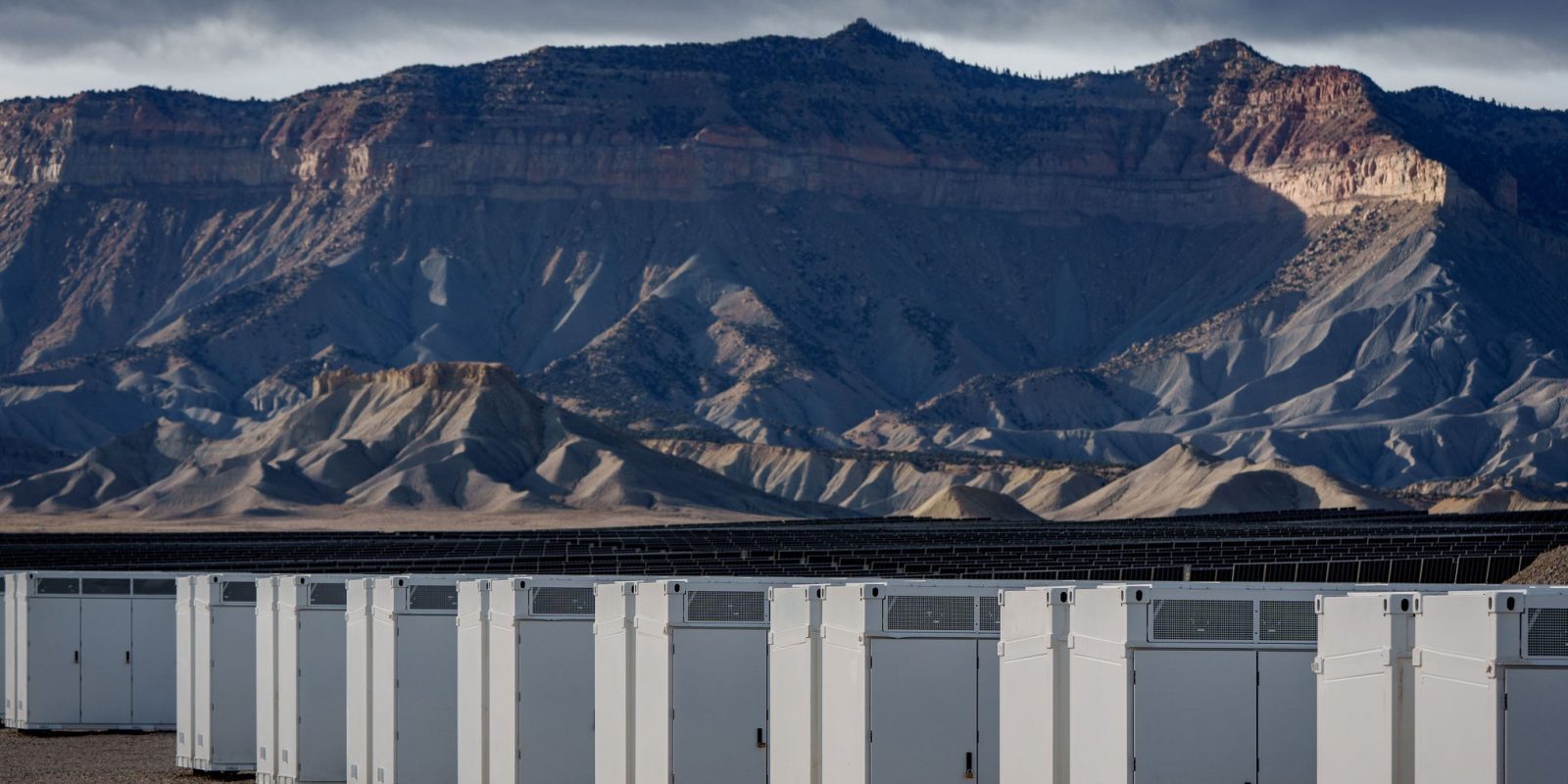
- Utility-scale projects accounted for nearly all growth at ~18 GWh, including seven gigawatt-hour-scale installations — four in Arizona, two in California, and one in Utah.
- Arizona posted a single-state record 6.2 GWh in Q2, outpacing Texas (3.8 GWh) and California (3.6 GWh); 44% of utility-scale capacity was paired with solar and 56% was standalone.
- Residential battery storage fell 27% YoY to just 657 MWh, with SEIA and Benchmark citing the removal of the federal 25D clean energy tax credit and a 2025 installation rush ahead of the incentive change.
- Benchmark raised its 2026–2030 US storage forecast by 11.5% to 683 GWh and now expects ~71 GWh of installs in 2026 — roughly 20% more than in 2025.
- Tesla brought its third Megafactory online in Texas with annual capacity for 50 GWh of Megapacks and began shipping units with domestically manufactured lithium iron phosphate cells.
- Tim Pawlenty, SEIA president and CEO, said the growth 'puts downward pressure on electricity bills' and strengthens energy security; more than 74% of Q2 capacity landed in states Donald Trump won in 2024.
Why it matters: Utility-scale storage scaled so fast that the first eight months of 2026 already delivered more grid electricity from batteries than all of 2025, and 74% of Q2 installs landed in states Trump won in 2024 — growth is concentrated in red-state grids. The flip side: residential storage dropped 27% with the 25D tax credit gone, meaning homeowners and small businesses are being priced out while utilities and data-center developers capture the surge.
Ask SkimNews

![American energy sector to invest $100B in battery storage by 2030 [update]](https://electrek.co/wp-content/uploads/sites/3/2025/05/wartsila_energy_252e4e.jpg?quality=82&strip=all&w=1600)