California Batteries Deliver 12.3 GW, Cover 43% of Peak — SkimNews

SkimNews Take
California's storage buildout, outpacing even optimistic forecasts, signals that grid infrastructure now scales at industrial rather than engineering speed — compressing planning horizons and accelerating stranded-asset risk for remaining gas peakers well before their scheduled retirements.
Get the Energy newsletter
Daily energy & climate — solar, EVs, oil, the policy fights and tech bets shaping the transition. Free.
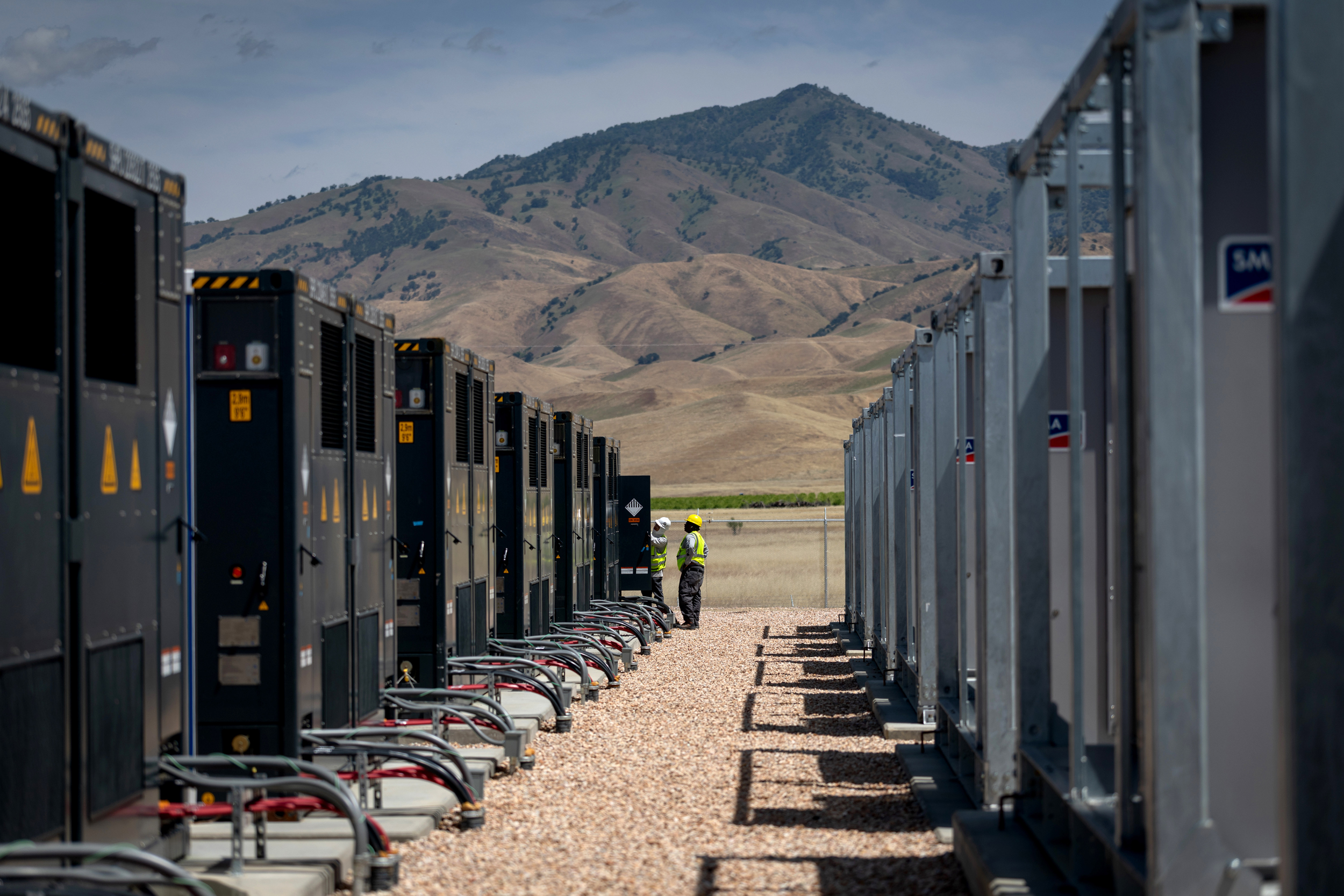
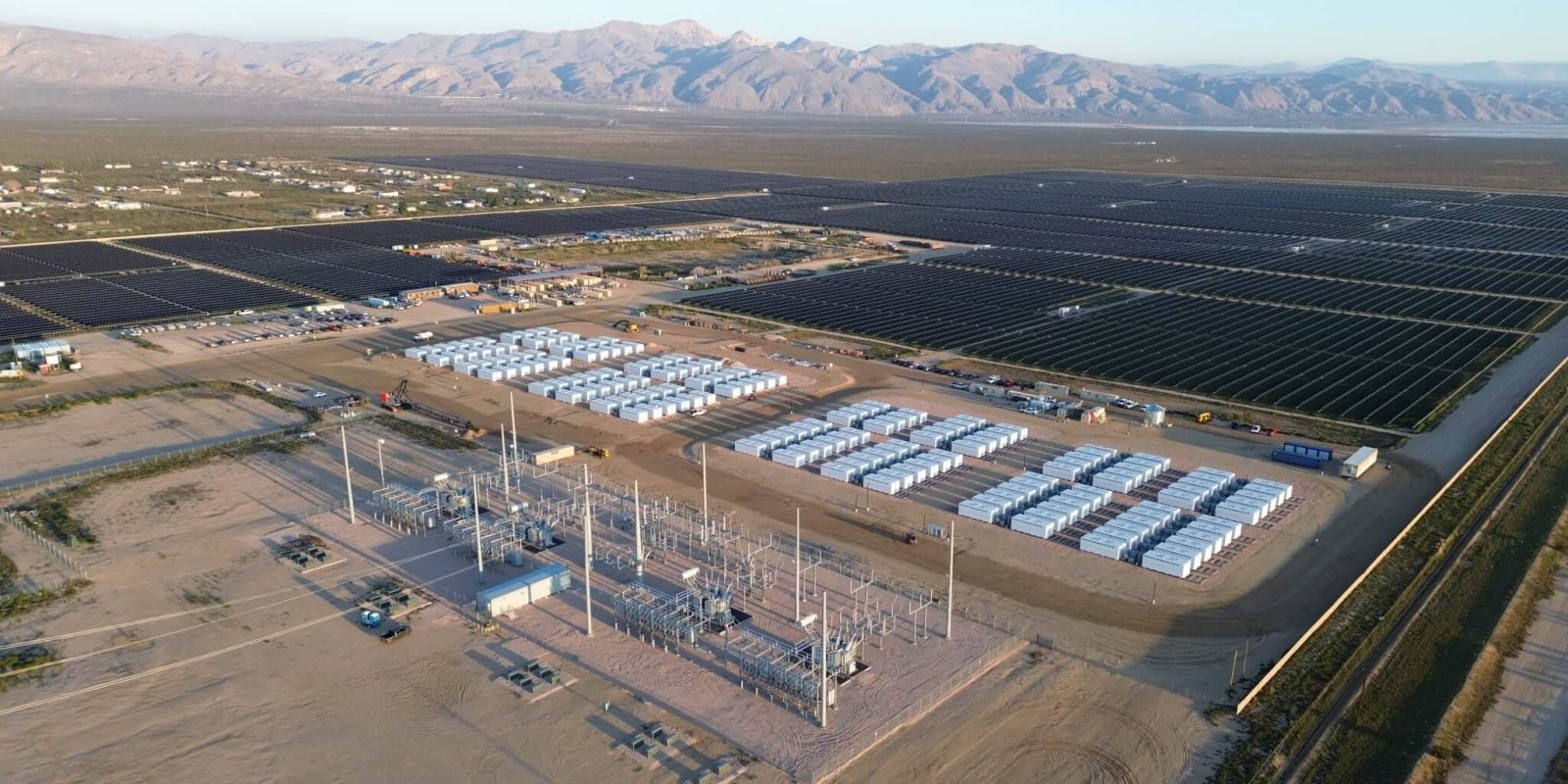
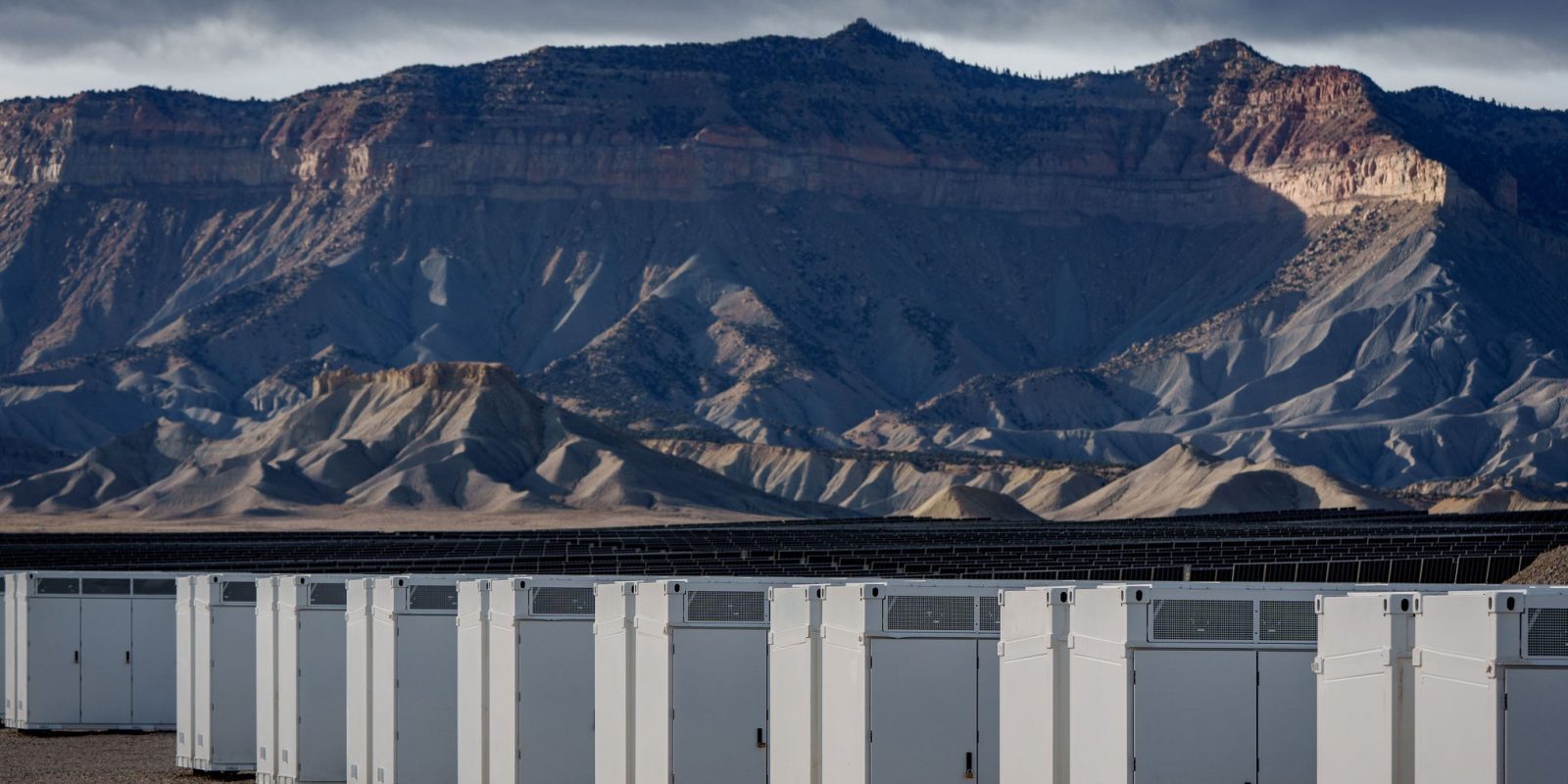
- California’s battery capacity grew from about 1.3 GW in 2020 to roughly 17 GW today, with more than 90 % added in the last five years.
- CAISO reported that batteries delivered around 12.3 GW on March 29, covering roughly 43 % of total demand and matching the output of 15‑20 combined‑cycle gas plants.
- CAISO noted that batteries maintained over 20 % of grid demand for several hours during the evening ramp, a period traditionally dominated by gas generation.
- South Australia has used grid‑scale batteries such as the Hornsdale Power Reserve to provide frequency control, peak shaving and reliability services.
- Texas’s ERCOT grid has seen rapid expansion of battery capacity, which now plays an increasingly important role in managing peak demand and renewable variability.
- China is scaling battery storage alongside massive renewable deployment, integrating storage directly into solar and wind projects to reduce curtailment.
Why it matters: The shift to battery storage gives grid operators and consumers cheaper, faster‑deploying flexibility while eroding the economic advantage of gas‑fired peaker plants, whose operating costs remain tied to volatile fuel prices. It also reduces reliance on fossil fuel generation during peak demand, insulating the grid from fuel‑price shocks.
Ask SkimNews