Pakistan's Dar urges US-Iran restraint after strikes widen to Gulf — SkimNews

Get the Geopolitics newsletter
Daily geopolitics — wars, elections, sanctions, the diplomatic moves that move markets. Free.
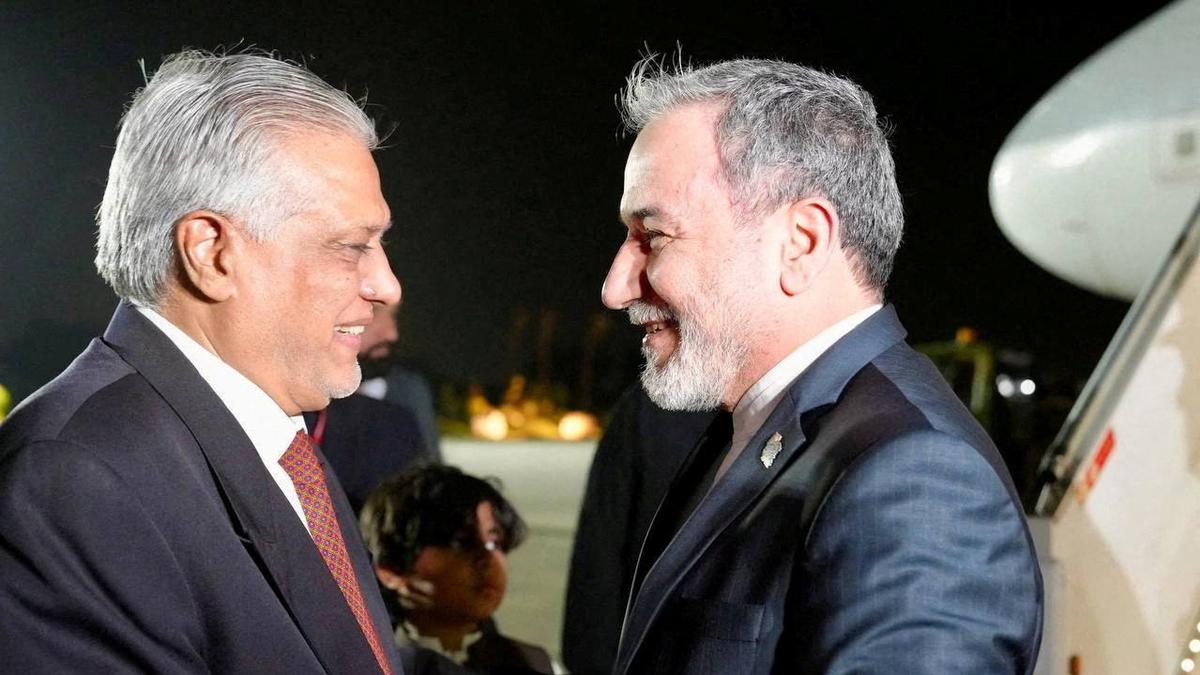
- Ishaq Dar held a phone call with Iranian Foreign Minister Abbas Araghchi on July 12, 2026, urging both the U.S. and Iran to show restraint and follow the de-escalation path agreed in the June 2026 Islamabad MoU.
- The United States carried out targeted strikes against Iran on July 12, 2026 morning after Iran struck a vessel in the Strait of Hormuz, setting the container on fire.
- Iran responded to the U.S. attacks by targeting five neighboring Gulf nations — the UAE, Bahrain, Kuwait, Qatar, and Oman — according to AP.
- Mojtaba Khamenei, Iran's new Supreme Leader, in his first statement since his father Ayatollah Ali Khamenei's funeral on Saturday, vowed that Iranians would avenge his father's killing.
- Dar reiterated Pakistan's readiness to continue playing a "constructive role" as a mediator, asserting that dialogue and diplomacy are the only viable path to resolve the dispute.
- The escalation comes days after President Donald Trump declared the U.S.-Iran deal "over," effectively voiding the Islamabad MoU that Pakistan had brokered.
Why it matters: Pakistan had positioned itself as the mediator behind the June 2026 Islamabad MoU; with Trump declaring that deal "over" and the conflict now widening beyond bilateral U.S.-Iran strikes to attacks on five Gulf nations, Islamabad's diplomatic leverage is directly undermined. Iran's new Supreme Leader Mojtaba Khamenei using his first statement to vow revenge signals a hardened Iranian negotiating posture just as Pakistan reopens talks.
Ask SkimNews