Shortsighted stock market can no longer brush off war: 'It's too hard to ignore $100 oil' — SkimNews

Get the Finance newsletter
Daily finance — markets, central banks, M&A, the prints that move money. Free.
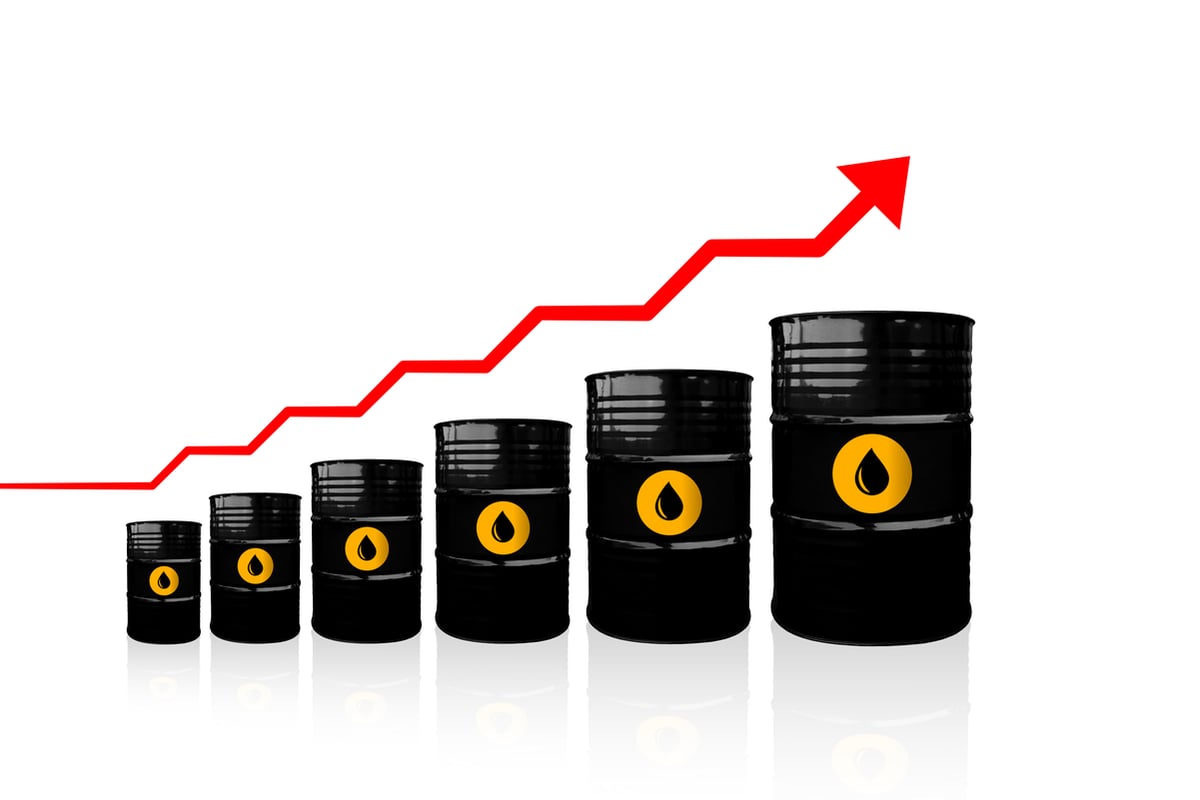
- S&P 500 headed for its biggest one-day decline in a month on Thursday after Brent crude broke above $100 per barrel and the 10-year Treasury yield surged past 4.7%—its highest since January 2025—following reports of attacks on tankers off Saudi Arabia's coast.
- Western Texas Intermediate (WTI) crude jumped 6% to $92 per barrel, up more than 28% from sub-$70 lows earlier this month, as the U.S. has conducted strikes against Iran for 12 consecutive nights beginning July 12.
- Federal Reserve rate-hike odds surged on CME's FedWatch tool, with the probability of a hike at next week's meeting jumping to nearly 38% from 12% a week earlier, and September meeting odds climbing above 80% from 53%.
- JPMorgan equity strategists told clients since late March to "use the equity weakness brought on by the Iran conflict to buy into"—betting on a Trump off-ramp and eventual deal—a thesis now under sharp pressure as oil breaks $100.
- Wells Fargo Investment Institute's Sameer Samana said traders must now reconsider the economic fears they held in March, warning the reignited conflict is reason to prepare for a larger equity drawdown.
- Interactive Brokers chief strategist Steve Sosnick said the Thursday move showed these problems "became too big to ignore," citing $100 oil, 10-year rates above 4.70%, and 30-year rates solidly above 5%.
- Pereon Wealth CEO Michael Tanney said a sustained oil price above $120 would be the "breaking point" for serious trickle-down effects, framing the current spike as more meaningful to headlines than client portfolios for now.
Why it matters: Investors who bet on a Trump off-ramp now face a double squeeze: rate-hike odds for next week's Fed meeting more than tripled in a week (from 12% to 38%), while Brent crude above $100 revives the stagflation scenario that already knocked the S&P 500 down more than 7.5% in March.
Ask SkimNews