Middle East Crisis Sends Oil to $112, S&P 500 to Six-Month Low — SkimNews
Get the Finance newsletter
Daily finance — markets, central banks, M&A, the prints that move money. Free.
- Iran targeted energy infrastructure across the region, while the US deployed additional military personnel, escalating the Middle East crisis that has been driving the market selloff.
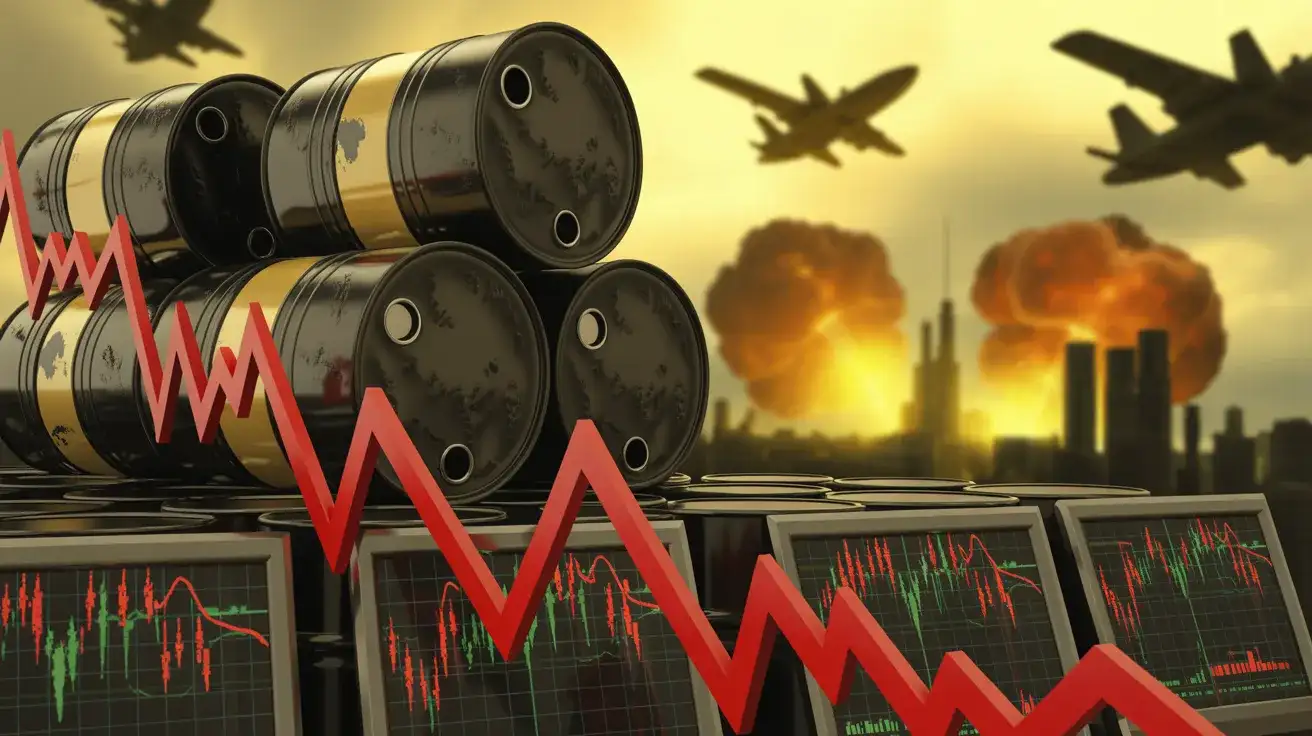
- US crude climbed to approximately $98 per barrel and Brent crude surged to ~$112, with disruptions at the Strait of Hormuz — a critical passage for global energy supplies — heightening supply concerns.
- S&P 500 recorded its fourth consecutive weekly decline, hitting a six-month low and sitting ~6.8% below its record high reached earlier this year.
- Nasdaq Composite retreated close to 10% below its recent peak amid growing unease over how prolonged instability and higher input costs could affect corporate earnings.
- Federal Reserve policymakers acknowledged difficulty in forecasting the economic impact of the geopolitical tensions, and market expectations shifted from rate cuts to keeping borrowing costs elevated longer, with only modest chances of rate hikes by 2026.
- 10-year US Treasury yield climbed to ~4.38%, its highest level in several months, adding further pressure to equities by raising borrowing costs.
- Data shows a strong inverse correlation between crude prices and the S&P 500 in recent weeks, with energy stocks' small index weight limiting their ability to offset declines elsewhere.
Why it matters: With the S&P 500 down ~6.8% from its record high and Brent at ~$112, investors have abandoned rate-cut expectations in favor of 'higher for longer.' The Nasdaq's ~10% retreat and 10-year yield at 4.38% show the energy shock is being transmitted directly into equity valuations, forcing a broad repricing of both growth stocks and rate expectations.
Ask SkimNews