Why a US-Iran Deal Could Aid Democracy More Than War — SkimNews

Get the Geopolitics newsletter
Daily geopolitics — wars, elections, sanctions, the diplomatic moves that move markets. Free.
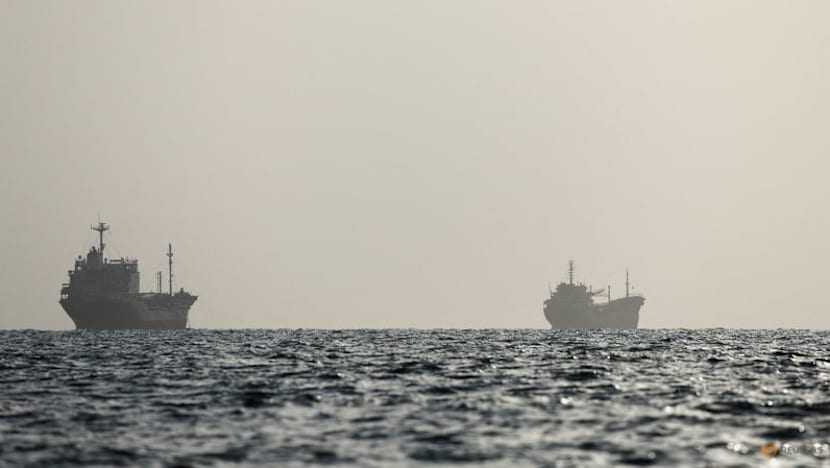
- Iran's regime survived the assassination of Supreme Leader Ali Khamenei and a multi-week US-Israeli bombing campaign, consolidating internal power and fighting to a draw by shutting down the Strait of Hormuz, the article reports.
- A Washington Post intelligence assessment concluded Iran is "unlikely to feel significant impact or soften its negotiating position as a result of new rounds of U.S. military strikes."
- The article argues a diplomatic grand bargain would increase prospects for democracy in Iran, running counter to the conventional view that a deal would entrench hardliners — attributing the regime's post-war strength to sanctions and bombing of civilian infrastructure.
- Iran already meets five of six preconditions for democratization, including ~90% adult literacy and 78% urbanization, a functional administrative state, a democratic political tradition dating to the 1905 Constitutional Revolution, and national unity absent ethnic cleavages.
- The June 17 memorandum of understanding collapsed after both sides launched major strikes, with President Pezeshkian declaring Iran was in a "full-scale war" before a July 27 cease-fire.
- The 2015 JCPOA nuclear deal was embraced by Iranian civil society and democracy activists as a rare opening, and the article sees a future diplomatic settlement as a potential catalyst for similar political momentum once the regime can no longer blame economic misery on foreign sanctions.
- The Trump and Netanyahu administrations publicly framed the war as a path to Iranian liberation, but the article says the bombing campaign — including the strike on a girls' school in Minab — produced patriotism rather than uprising, as seen at Khamenei's six-day funeral.
Why it matters: The article directly contradicts the regime-change rationale articulated by Trump and Netanyahu, arguing that the economic strangulation and bombing campaign they prescribed have instead strengthened the Islamic Republic by suppressing mobilization and producing nationalist rallying. If the analysis holds, US policymakers face a choice between continued military pressure that entrenches the regime and a diplomatic deal that, by ending sanctions and the war footing, could expose the regime's accountability failures and create new openings for Iran's civil society.
Ask SkimNews