Cancer is increasing in young people and we still don't know why — SkimNews

SkimNews Take
The widespread nature of the increase across diverse cancer types suggests a systemic, rather than localized, environmental or lifestyle shift is impacting younger populations.
Get the Health newsletter
Daily health & science — research, biotech, public health, the studies worth knowing. Free.
- Institute of Cancer Research analyzed England cancer data up to 2019 and identified 11 cancer types rising in ages 20‑49, with annual increases of 1‑6%.
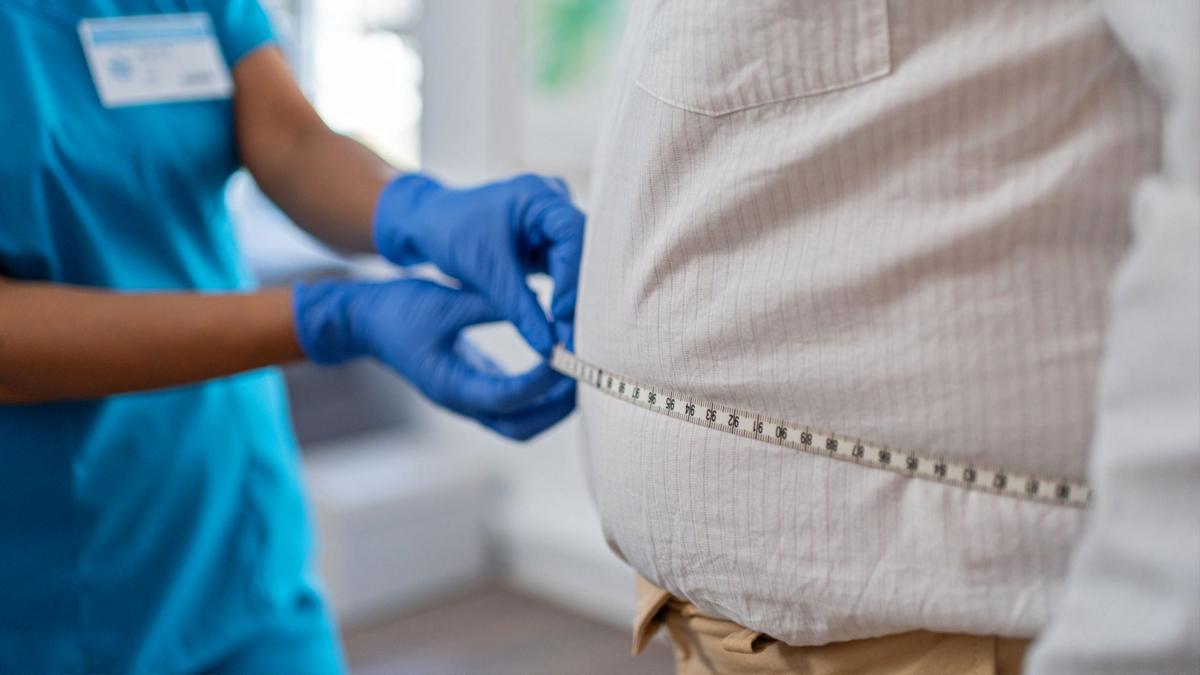
- Montserrat Garcia‑Closas says BMI is the only risk factor that worsened, yet obesity explains only ~20% of the surge in young‑women bowel cancer.
- Imperial College London researcher Marc Gunter notes that similar upward trends appear in people over 50 for nine of the cancers, hinting at shared drivers.
- International Agency for Research on Cancer lists drinking, smoking, inactivity, BMI, fiber, and processed/red meat as strongest‑risk factors, but most have stayed stable or improved.
- PFAS (forever chemicals) are mentioned as a possible contributor, alongside ultraprocessed foods and antibiotics disrupting gut microbiomes.
Why it matters: Public health planners must allocate extra funding for early‑cancer screening and research, as a 1‑6% annual rise threatens to add billions in treatment costs and strain NHS resources.
Ask SkimNews