Cancer is rising in younger adults, and scientists can't fully explain why — SkimNews
Get the Health newsletter
Daily health & science — research, biotech, public health, the studies worth knowing. Free.
- BMJ Oncology study analyzed cancer incidence data from England's National Disease Registration Service between 2001 and 2019, comparing trends across more than 20 cancer types in adults aged 20–49 versus those 50 and older.
- Among younger women, 16 of 22 cancer types examined showed statistically significant increases; among younger men, 11 of 21 cancers rose significantly, the researchers found.
- Bowel and ovarian cancer were the only two whose incidence rose significantly in adults under 50 but not in those 50 and older, making them standouts in the data.
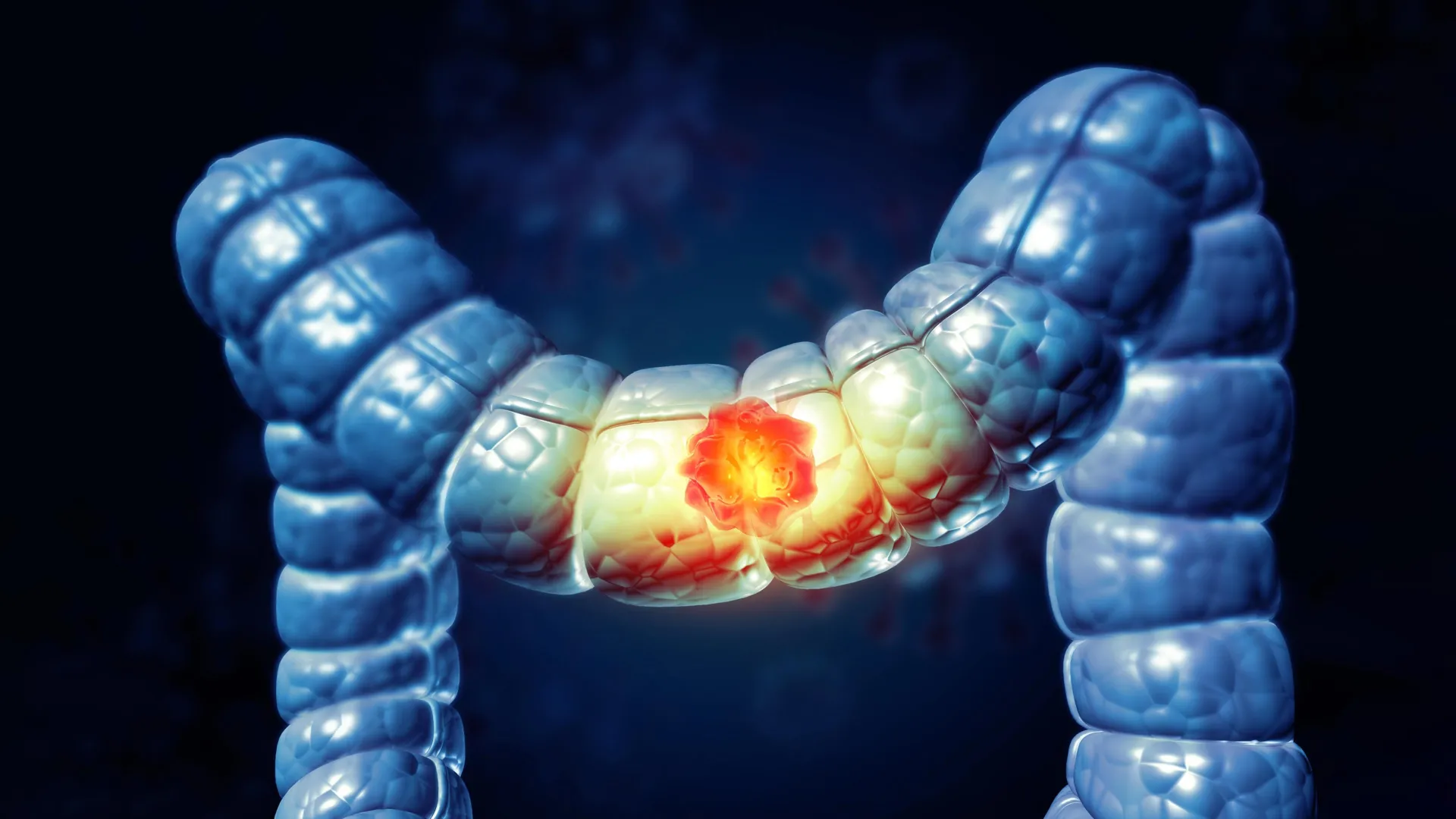
- Of the 11 cancers flagged as a particular concern — including thyroid, liver, kidney, gallbladder, bowel, pancreas, mouth, breast, ovarian, multiple myeloma, and endometrial — 10 were linked to obesity, yet obesity trends alone could not fully account for the increases.
- Red meat consumption fell even as cancer rates climbed — younger men's intake dropped from 38g per day in 2008 to 17g in 2018, while smoking, alcohol, and other established risks generally stabilized or improved.
- Researchers flagged disruption of the gut microbiome, ultra-processed foods, childhood obesity, antibiotic exposure, air pollution, and early-life or prenatal factors as possible additional drivers not yet fully evaluated.
- Even with younger-adult rates climbing, the absolute cancer burden remained far higher in older adults, the researchers cautioned.
Why it matters: With 11 cancer types rising faster in people under 50 despite improvements in smoking and red-meat intake, researchers are shifting focus toward early-life exposures and the gut microbiome — factors no current public-health screening protocol or dietary guidance addresses.
Ask SkimNews