E-quipment highlight: Tiger electric baggage tug hauls 30 TONS [video] — SkimNews
![E-quipment highlight: Tiger electric baggage tug hauls 30 TONS [video]](https://electrek.co/wp-content/uploads/sites/3/2026/08/Tiger-Li-Ion-Airport-Tarmac.jpg?quality=82&strip=all&w=1600)
Get the Energy newsletter
Daily energy & climate — solar, EVs, oil, the policy fights and tech bets shaping the transition. Free.
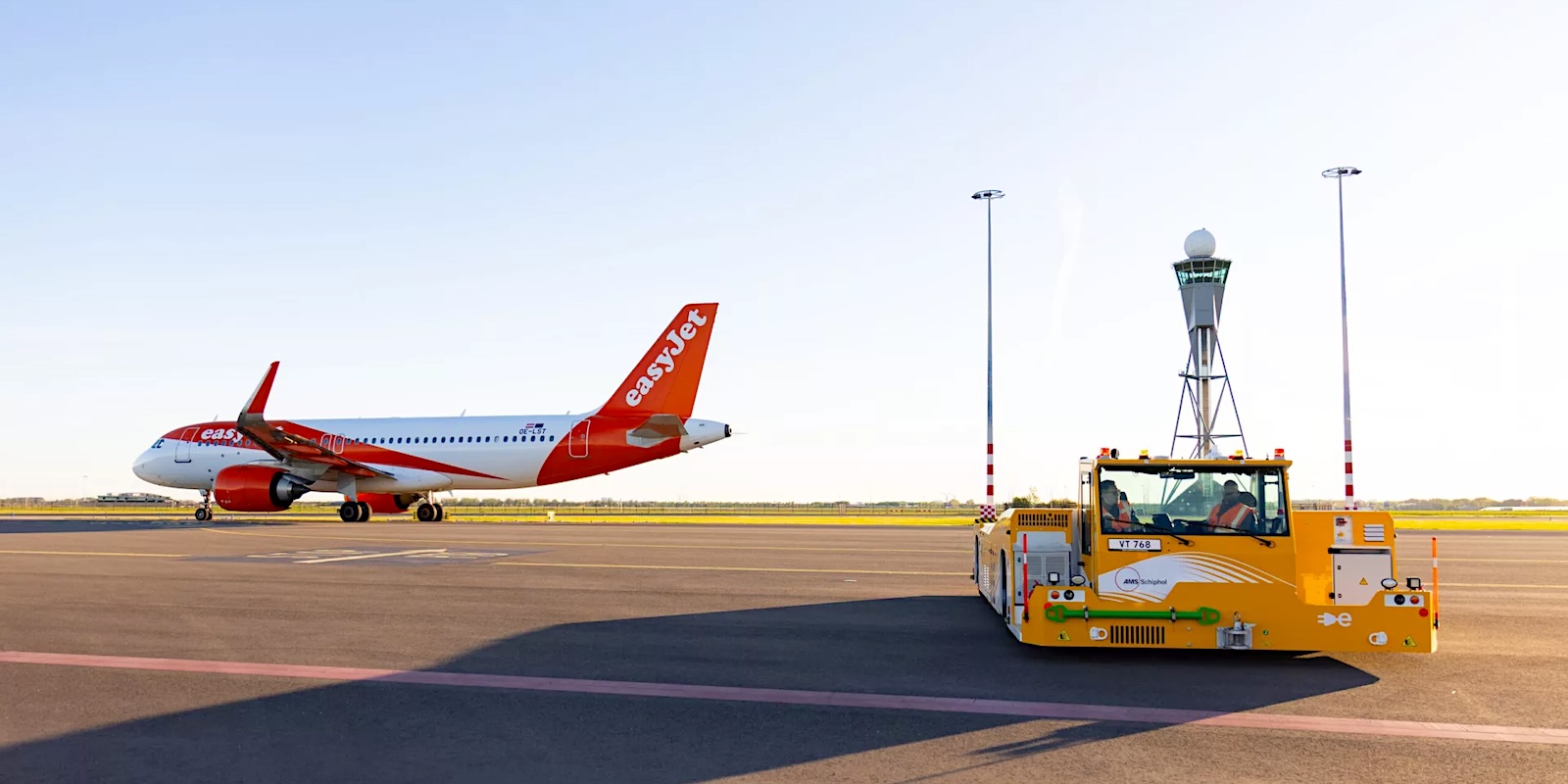
- Tiger Li-Ion electric baggage tug offers a 60,000-pound payload capacity with silent, emission-free running aimed at airport ground support fleets.
- Waev claims each Tiger tug saves fleet operators more than $19,000 per year in fuel, citing unpredictable diesel prices versus cheaper electric power.
- Each Tiger unit is projected to eliminate more than 3.5 tons of carbon emissions per year, a meaningful figure for airports running dozens to hundreds of tugs.
- The tug runs on a 48 kWh battery pack with up to 60 miles of range and recharges on a facility's existing 120V outlet or a 240V, 50-amp L2 charger.
- Waev president and CEO Keith Simon declared 'The future of GSE is electric' at the Tiger Li-Ion's 2022 launch, tying the product to airport net-zero and carbon-neutral goals.
- Safety equipment includes anti-rollover speed reduction in tight turns, programmable speed caps set to 10, 12, or 15 mph, and an automatic brake interlock that cuts drive power if the driver leaves the seat.
Why it matters: Airport ground support operations are diesel-heavy and run punishing duty cycles, so volatile fuel prices hit fleet margins hard. Waev's claimed $19,000-per-year fuel savings and 3.5-ton CO2 cut per tug could shift fleet math for operators with dozens to hundreds of units, just as airports are publicly committing to net-zero mandates.
Ask SkimNews
![Watt’s up, doc? Huddig hybrid loader gets a big battery boost [video]](https://electrek.co/wp-content/uploads/sites/3/2026/10/huddig-hybrid_main.jpg?quality=82&strip=all&w=1600)