Schiphol's Electric TaxiBot Cuts Ground Emissions 80% — SkimNews
Get the Energy newsletter
Daily energy & climate — solar, EVs, oil, the policy fights and tech bets shaping the transition. Free.
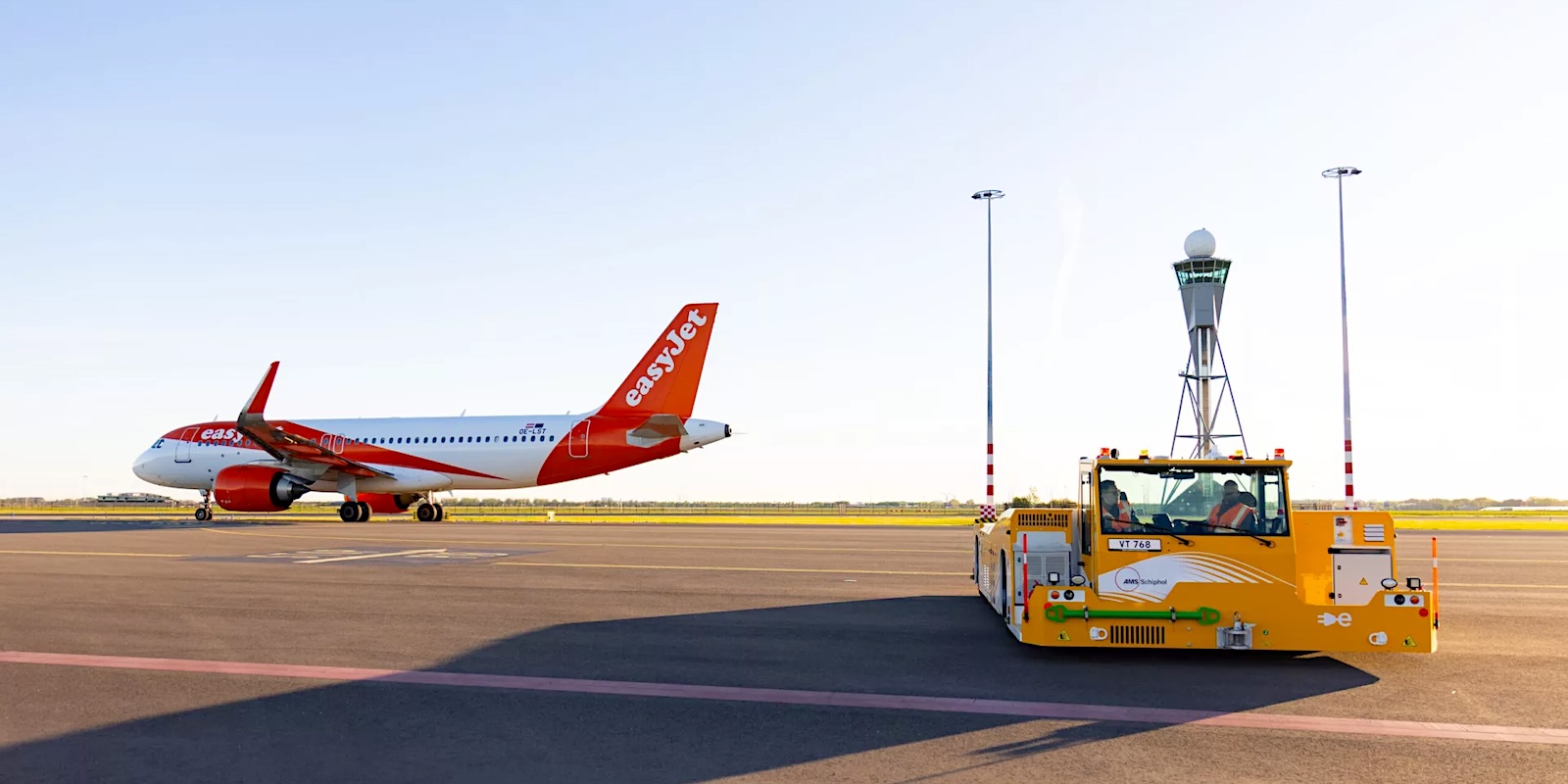
- Schiphol Airport is testing the TaxiBot, an all-electric, pilot-controlled aircraft tug co-developed by Smart Airport Systems, TLD, and Israel Aerospace Industries, allowing pilots to taxi to the runway without firing up the APU or main engines.
- The TaxiBot is attested to slash ground-level airport emissions by more than 80%, with reduced fuel consumption, lower maintenance needs, and the energy flexibility of a large mobile battery as additional benefits.
- The lone TaxiBot in operation is currently certified only for the Airbus A320neo, with Schiphol working on Boeing 737 and other certifications alongside Embraer, KLM Cityhopper, Transavia, and additional global partners.
- Three more electric TaxiBots are expected to be deployed before the end of this year, expanding the fleet beyond the single unit now in service.
- EasyJet's William Vet called the deployment a practical path to lower fuel consumption, emissions, and ground noise, singling out ground-handling partner Menzies Aviation as crucial to the rollout.
- Royal Schiphol Group's Esmé Valk framed the TaxiBot as a step toward a 'healthier and cleaner workplace' on the apron, cutting the exhaust exposure that ground crews normally breathe during aircraft movements.
Why it matters: Schiphol's pilot makes ground operations materially cheaper and quieter for airlines like EasyJet that handle high flight volumes, while the 80% emissions cut and APU silencing directly benefit ground crews and nearby residents. With three more units slated before year-end and Boeing 737 certification in progress, the testbed is positioned to scale beyond the single A320neo-compatible tug now in service.
Ask SkimNews
![E-quipment highlight: Tiger electric baggage tug hauls 30 TONS [video]](https://electrek.co/wp-content/uploads/sites/3/2026/08/Tiger-Li-Ion-Airport-Tarmac.jpg?quality=82&strip=all&w=1600)