Ulez Restored London Children's Lung Growth, Study Finds — SkimNews

Get the Energy newsletter
Daily energy & climate — solar, EVs, oil, the policy fights and tech bets shaping the transition. Free.
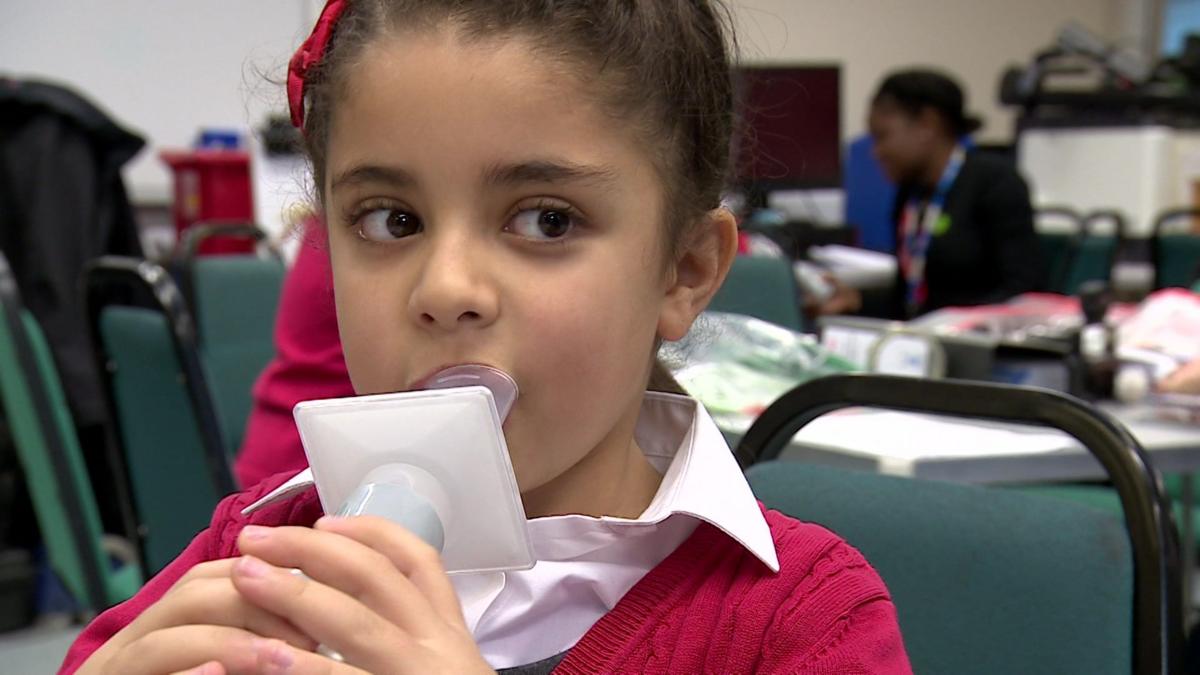
- London schoolchildren aged six to nine saw their lung capacity recover to levels comparable with peers in Luton after the ultra-low emission zone was introduced in 2019, according to a Lancet Public Health study that tracked 1,664 London children and 1,750 Luton children annually from 2018 to 2022.
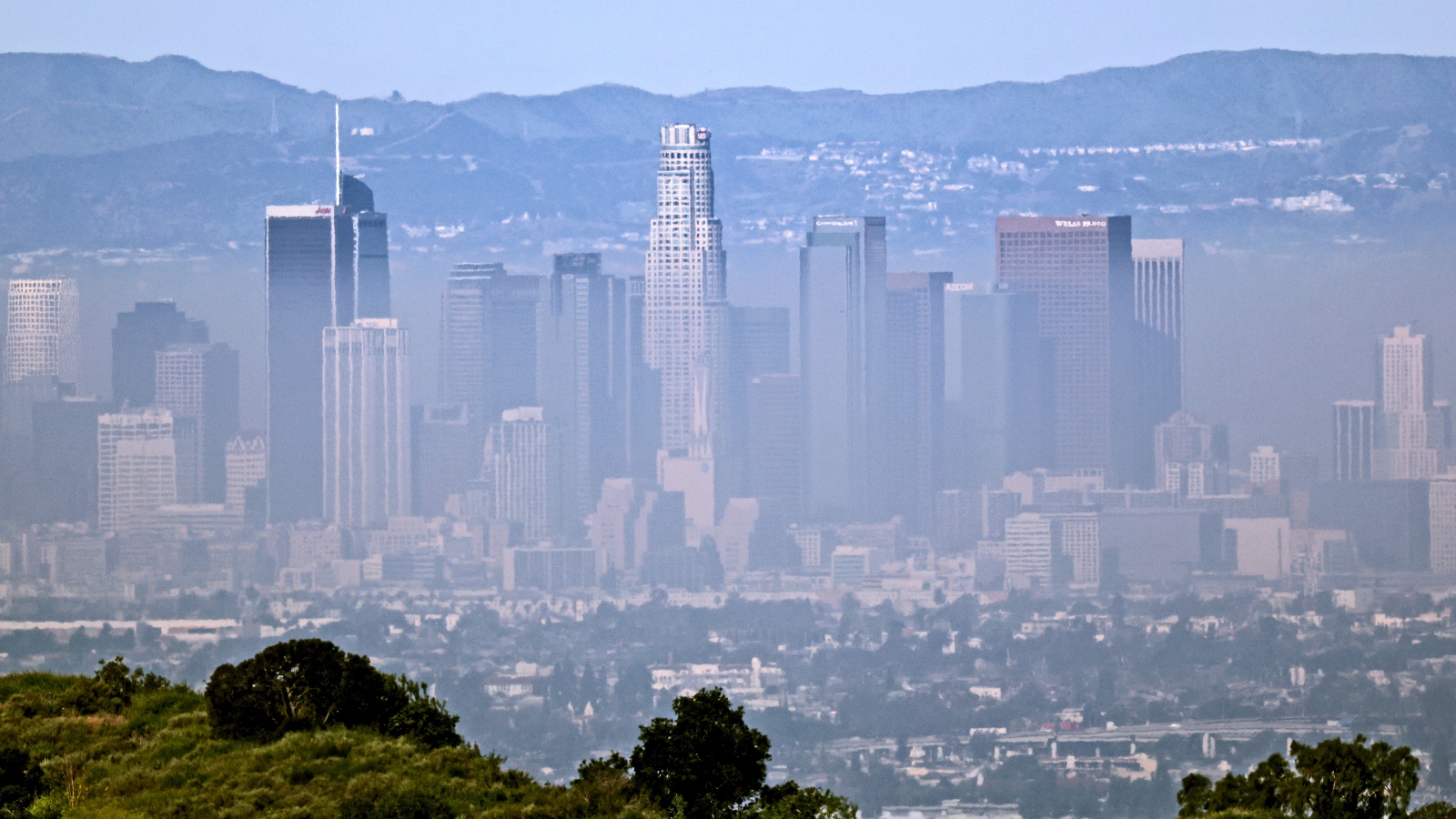
- The study found London children's exposure to nitrogen dioxide fell twice as fast and twice as much as Luton children's within five years of Ulez coming into force, with lung improvements correlating strongly with air quality gains.
- Chris Griffiths, a professor of primary care at the University of Oxford and Queen Mary University of London and the study's joint senior author, called the findings the "strongest evidence yet" on preventing the harms of traffic pollution to children's health and development.
- Mayor Sadiq Khan, whose 2019 launch of Ulez faced fierce political opposition, wrote in the Guardian that opponents "cynically sought to turn questions of public health into a crude culture war," casting the new evidence as proof his most contentious policy had worked.
- Health minister Karin Smyth described the study as "a powerful reminder" of air quality's impact on children's lungs, saying it supports the government's goal of giving "every child the best start in life."
- Stephen Burgess, a University of Cambridge biostatistics professor not involved in the research, cautioned that it is "not clear that the changes observed were truly attributable to Ulez," pointing to Covid-era shifts in pollution and traffic as a possible confound.
Why it matters: Ulez launched in 2019 without prior evidence of measurable health benefits, and this Lancet study now offers the first longitudinal data linking the policy to reversed lung-development deficits in city children — a vindication Khan has leaned on against years of political backlash. An independent Cambridge biostatistician's caveat that pandemic-era pollution drops may confound the result means the vindication is not airtight for clean-air advocates elsewhere.
Ask SkimNews