Improved air quality linked to better mental development in toddlers, study finds — SkimNews
Get the Health newsletter
Daily health & science — research, biotech, public health, the studies worth knowing. Free.
- Prof Frederica Perera and the Columbia Center for Children's Environmental Health tracked over 1,100 children in northern Manhattan and the South Bronx, assessing cognitive, problem-solving and language skills at ages one, two and three over more than two decades.
- Air pollution in central New York halved between 1998 and 2016, with fine particle pollution and nitrogen dioxide each cut by roughly 50% and pollutants from yellow taxis reduced by up to 80% through clean-air legislation and fuel-switching policies.
- Toddlers' cognitive scores improved in lockstep with cleaner air, with the effect clearest at ages two and three and during periods of sharper pollution declines, the researchers found.
- The study controlled for confounding factors including a drop in children living with a smoker from 34% to 18% and a nine-percentage-point rise in mothers with a high-school diploma.
- Perera cautioned that the findings do not prove current air quality is safe for neurodevelopment, calling for more research to build public awareness and motivate policymakers.
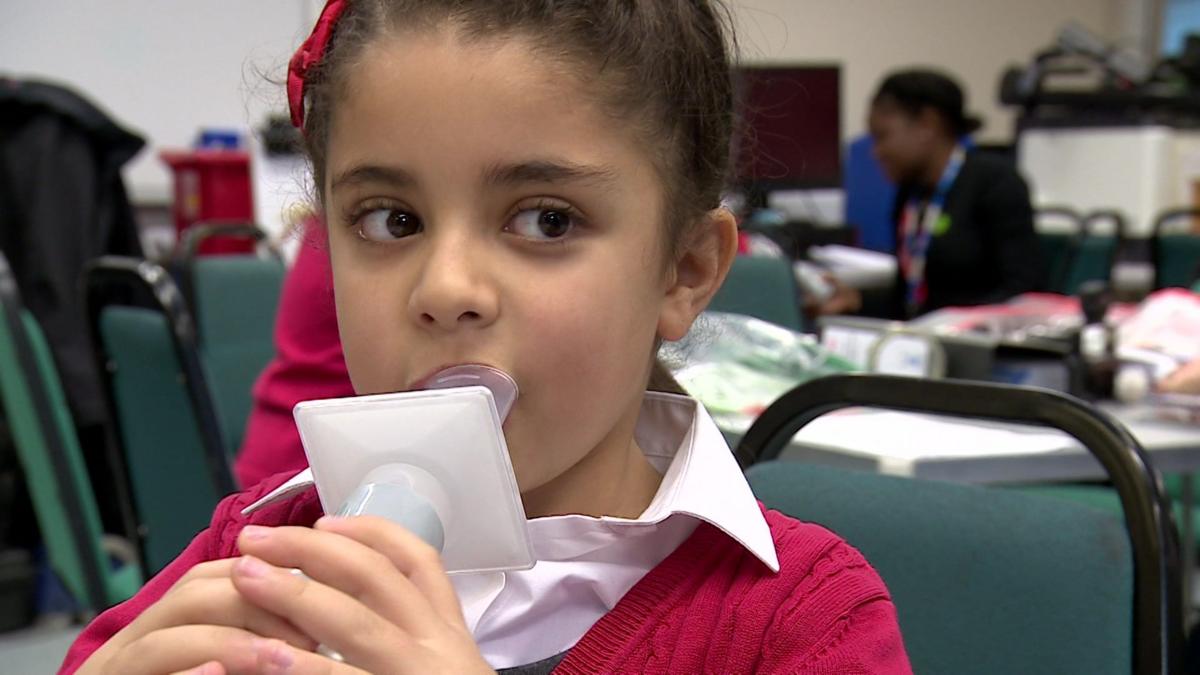
- Parallel UK results cited in the piece include improved children's lung health after London's ultra-low emission zone and a roughly 25% drop in GP visits for heart and breathing problems following Bradford's clean-air zone.
- A UN Environment Programme report found integrated action on air pollution and climate emissions delivers an average $15 in economic benefits for every $1 invested.
Why it matters: Perera's 20-year dataset gives policymakers the kind of longitudinal proof-of-concept rarely available for environmental regulation: in communities already exposed to dirty air, measurable cognitive gains tracked halving of fine-particle and NO2 pollution. For city governments weighing costly clean-air zones, the Columbia results — paired with Bradford's 25% drop in GP visits and the UN's $15-to-$1 benefit ratio — reframe air policy as high-yield investment in child brain development.
Ask SkimNews